📌 Disclaimer
Prices, schedules, tour details, flight routes, visa requirements, and all other information on this page are based on data at the time of writing. Fares, availability, and policies may change. Please verify current details on the official website before booking.
Photo by Ali Durmuş Cevlan on Pexels
Why Visit Athens ?#
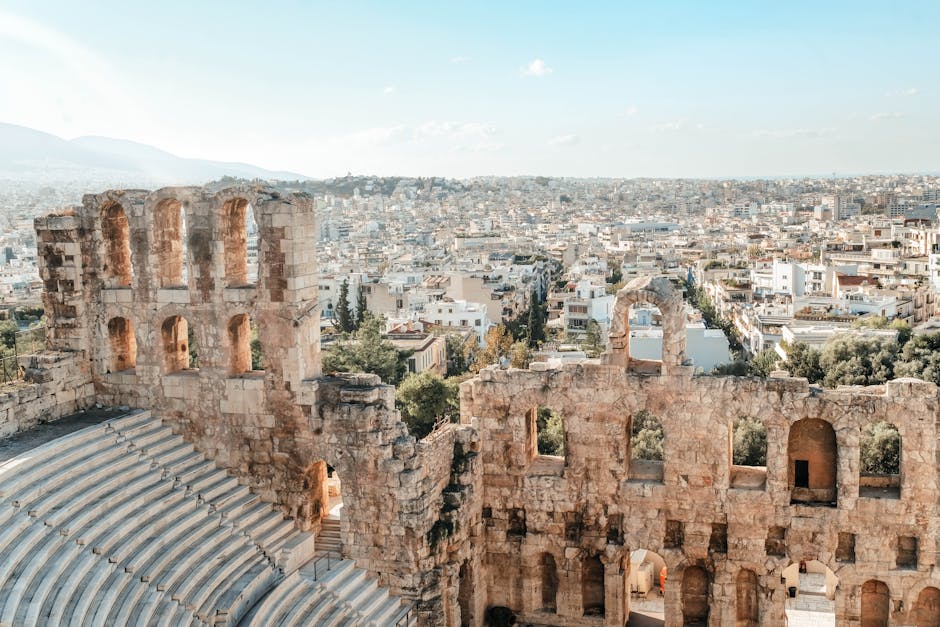
Athens, the cradle of Western civilization, is a city that beautifully intertwines its ancient history with vibrant modern life. As the capital of Greece , it is home to some of the world’s most significant archaeological sites, including the iconic Acropolis and the Parthenon, which stand as testaments to the ingenuity of ancient Greeks. Walking through Athens is like stepping back in time, where cobblestone streets lead to open-air markets and charming tavernas nestled among ruins that date back thousands of years.
Beyond its historical allure, Athens is a bustling metropolis known for its lively culture, art scene, and culinary delights. From the vibrant neighborhoods of Plaka and Monastiraki to the artistic enclave of Psiri, each area offers a unique blend of history, shopping, and local flavors. Whether you’re an art lover, a history buff, or a foodie, Athens has something for everyone, making it a must-visit destination for first-time travelers.
Best Time to Visit Athens#

Athens experiences a Mediterranean climate, characterized by hot, dry summers and mild, wet winters. The best time to visit the city generally falls between late spring (April to June) and early fall (September to October). During these months, the weather is pleasant, with temperatures ranging from the mid-60s to mid-80s Fahrenheit, perfect for exploring outdoor sites and enjoying local festivals.
Summer (July and August) can be extremely hot, with temperatures soaring above 90°F, and the city tends to be crowded with tourists. If you don’t mind the heat, you can find lower prices on accommodations during this time, as many locals take their vacations and some businesses close for the summer. Winter (November to March) is cooler and can be rainy, but it’s a great time to visit if you prefer fewer crowds and lower prices on everything from flights to hotels.
Where to Stay in Athens#

When it comes to choosing where to stay in Athens, there are several neighborhoods that cater to various budgets and preferences.
Budget: The neighborhoods of Kifisia and Exarchia are excellent options for budget travelers. Kifisia offers a suburban feel with affordable guesthouses, while Exarchia is known for its bohemian vibe and hostels, making it popular among younger travelers.
Mid-Range: Syntagma and Plaka are ideal for mid-range travelers. Syntagma, located near the Parliament building, is convenient for sightseeing, while Plaka, with its narrow streets and traditional tavernas, provides a charming atmosphere for visitors.
Luxury: For those seeking luxury, Kolonaki and the areas around the Acropolis provide upscale hotels and elegant dining options. Kolonaki is an affluent neighborhood with high-end boutiques, while staying near the Acropolis offers stunning views of the ancient site.
Top Things to Do in Athens#

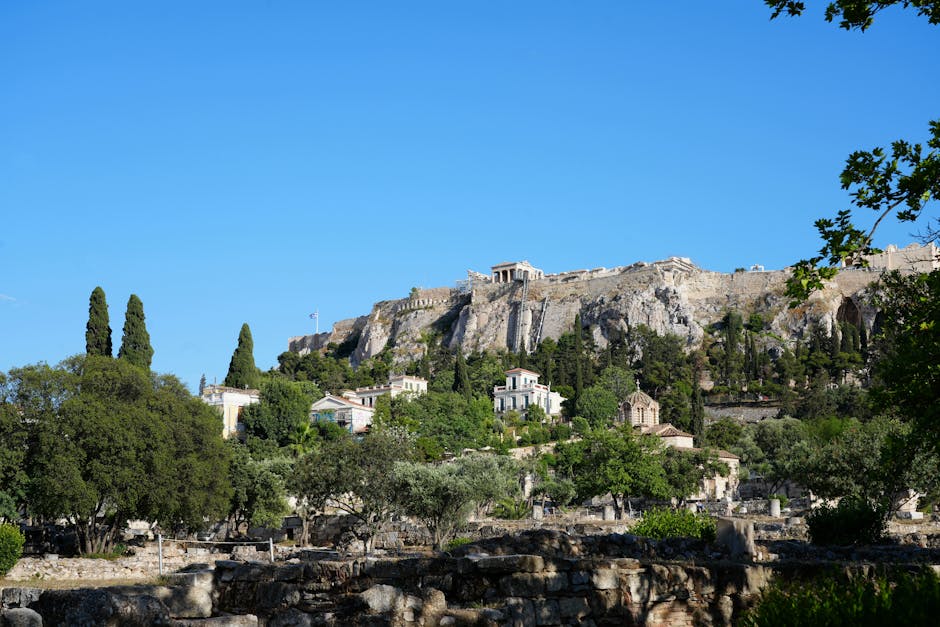
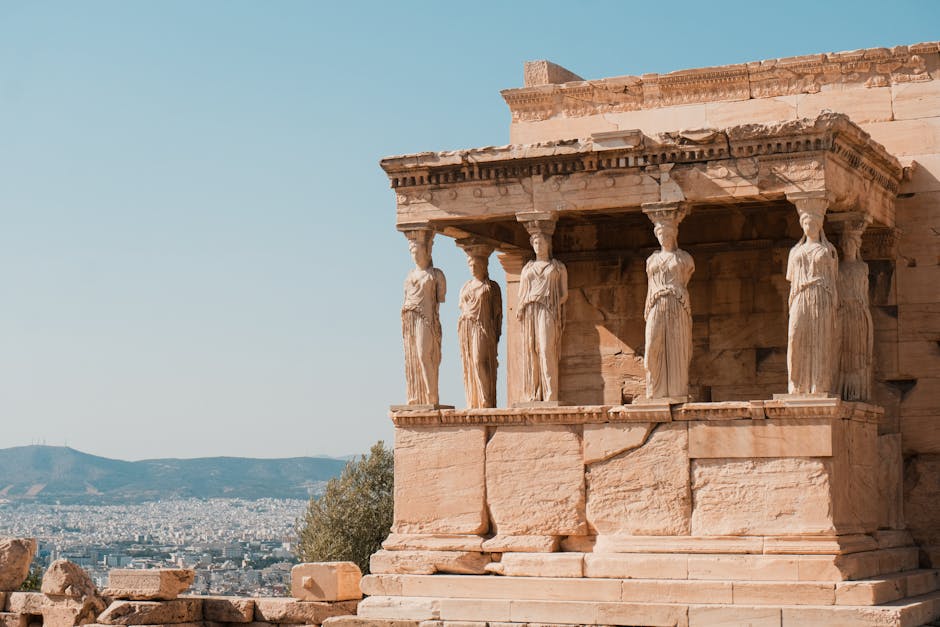
Acropolis of Athens: No trip to Athens is complete without visiting the Acropolis, a UNESCO World Heritage Site. Explore the Parthenon, the Erechtheion, and the Temple of Athena Nike while enjoying panoramic views of the city.
Acropolis Museum: Just a short walk from the Acropolis, this modern museum houses artifacts from the archaeological site. The glass floors provide a glimpse of the ruins below, merging past and present in a unique way.
Plaka Neighborhood: Stroll through the picturesque streets of Plaka, filled with charming shops and cafes. It’s the perfect place to soak in the local atmosphere, souvenir shop, and enjoy a leisurely meal.
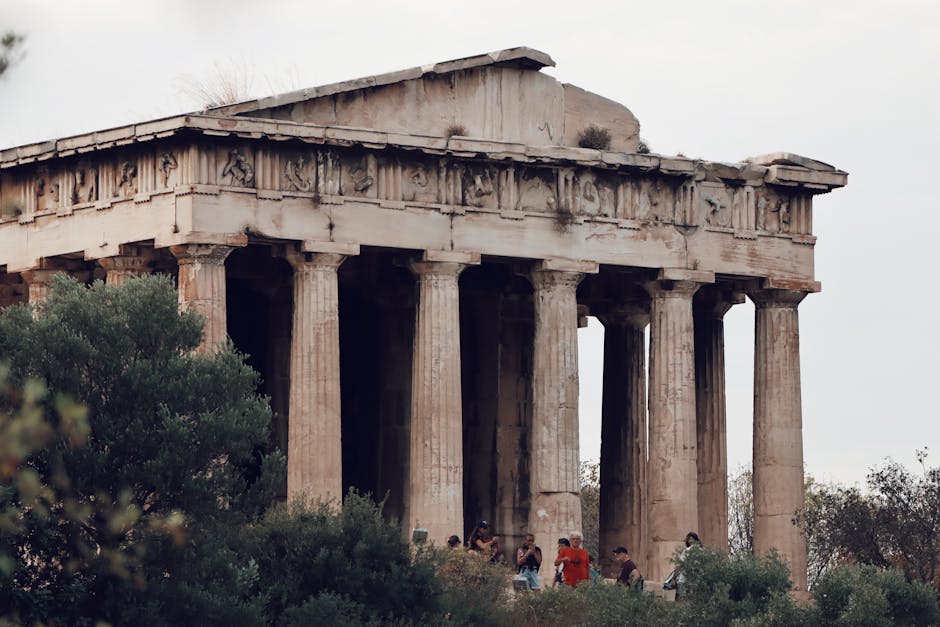
Ancient Agora: Once the heart of public life in ancient Athens, the Agora is home to the well-preserved Temple of Hephaestus and offers a fascinating glimpse into daily life during ancient times.
Mount Lycabettus: For breathtaking views of Athens, hike or take a funicular to the summit of Mount Lycabettus. It’s especially stunning at sunset when the city lights begin to twinkle.
National Archaeological Museum: This world-class museum showcases an extensive collection of ancient Greek artifacts, including sculptures, pottery, and jewelry, making it a must-visit for history enthusiasts.
Monastiraki Flea Market: Dive into the local culture at Monastiraki, where you can browse through a vibrant flea market filled with antiques, clothing, and handmade crafts. Don’t forget to haggle for the best deals!
Kerameikos Cemetery: A lesser-known gem, this ancient cemetery offers a peaceful retreat from the bustling city. Explore the ruins and learn about the burial practices of ancient Athenians.
Stavros Niarchos Foundation Cultural Center: This modern cultural hub features stunning architecture, a beautiful park, and hosts various cultural events, making it a great spot for art and culture lovers.
Kifisia: If you’re looking for a quieter experience, head to Kifisia, a charming suburb with elegant shops, cafes, and parks. It’s a great place to relax and enjoy a slower pace.
Food and Dining Guide#
Athens boasts a rich culinary scene, offering everything from traditional Greek dishes to innovative modern cuisine. Here are a few local highlights you shouldn’t miss:
Moussaka: A classic Greek dish made with layers of eggplant, minced meat, and béchamel sauce. It’s a hearty meal perfect for any dinner.
Souvlaki: This popular street food consists of skewered meat, often served in pita bread with tomatoes, onions, and tzatziki sauce. It’s a must-try for a quick and tasty bite.
Dolmades: Grape leaves stuffed with rice and herbs, often accompanied by a side of yogurt. These make for a light and flavorful appetizer.
Spanakopita: A savory pastry filled with spinach and feta cheese, wrapped in flaky phyllo dough. It’s perfect for a snack or light meal.
Baklava: For dessert, indulge in this sweet pastry made of layers of phyllo, filled with nuts and honey syrup. It’s a delightful way to end any meal.
When it comes to dining, you can choose between casual street food vendors and sit-down restaurants. For an authentic experience, head to local tavernas, where you can enjoy traditional dishes in a cozy atmosphere. Don’t forget to try some ouzo or local wine while you’re at it!
Getting Around Athens#
Navigating Athens is fairly easy, thanks to its efficient public transportation system. The metro is the most convenient way to get around, with lines connecting major attractions and neighborhoods. Buses and trams are also available, providing extensive coverage of the city.
For a more local experience, consider using taxis or rideshare apps, which are affordable and readily available. Walking is another great option, especially in the historic center, where many sites are close together. However, be prepared for some hilly areas, particularly around the Acropolis.
While renting a car is possible, it’s generally not recommended due to heavy traffic and limited parking in the city center. If you plan to explore areas outside of Athens, like the beautiful coastal towns or nearby archaeological sites, a rental car may be more convenient.
Budget Breakdown#
When planning your budget for Athens, consider the following daily estimates:
Budget Travelers: Expect to spend around $50-70 per day. This includes staying in budget accommodations, eating street food or at inexpensive restaurants, using public transport, and visiting a few attractions.
Mid-Range Travelers: A budget of $100-150 per day is typical for mid-range travelers. This allows for comfortable accommodations, dining at local restaurants, and participating in various activities.
Luxury Travelers: For those seeking a more upscale experience, plan for $250 and above per day. This includes staying in luxury hotels, fine dining, and private tours or experiences.
These estimates will help you plan your trip according to your preferences while enjoying all that Athens has to offer.
Travel Tips for Athens#
Safety: Athens is generally safe for tourists, but like any major city, it’s wise to stay alert, especially in crowded areas. Keep your belongings secure to avoid pickpockets.
Tipping: Tipping is customary in Greece. Leave around 5-10% at restaurants, and round up taxi fares. In cafes, it’s common to leave small change.
Language: While many Greeks speak English, learning a few basic Greek phrases can enhance your experience. Simple greetings like “Kalimera” (Good morning) go a long way.
SIM Cards: If you need internet access, consider purchasing a local SIM card. They are widely available, and having data can help you navigate the city easily.
Avoiding Scams: Be cautious of overly friendly strangers offering unsolicited help or deals that seem too good to be true. Stick to official tours and services.
Pack for the Weather: If you’re visiting during the summer, pack lightweight clothing, sunscreen, and a hat. For winter visits, bring a light jacket as temperatures can drop in the evenings.
Cultural Etiquette: When visiting religious sites, dress modestly and be respectful. It’s customary to remove your shoes when entering certain places.
If you’re also considering a trip to Nice, France or Lake Bled, Slovenia , check out our guides for more travel inspiration. Athens is a gateway to exploring the rich history and culture of Europe, so immerse yourself in this incredible city and make memories that will last a lifetime.