📌 Disclaimer
Prices, schedules, tour details, flight routes, visa requirements, and all other information on this page are based on data at the time of writing. Fares, availability, and policies may change. Please verify current details on the official website before booking.
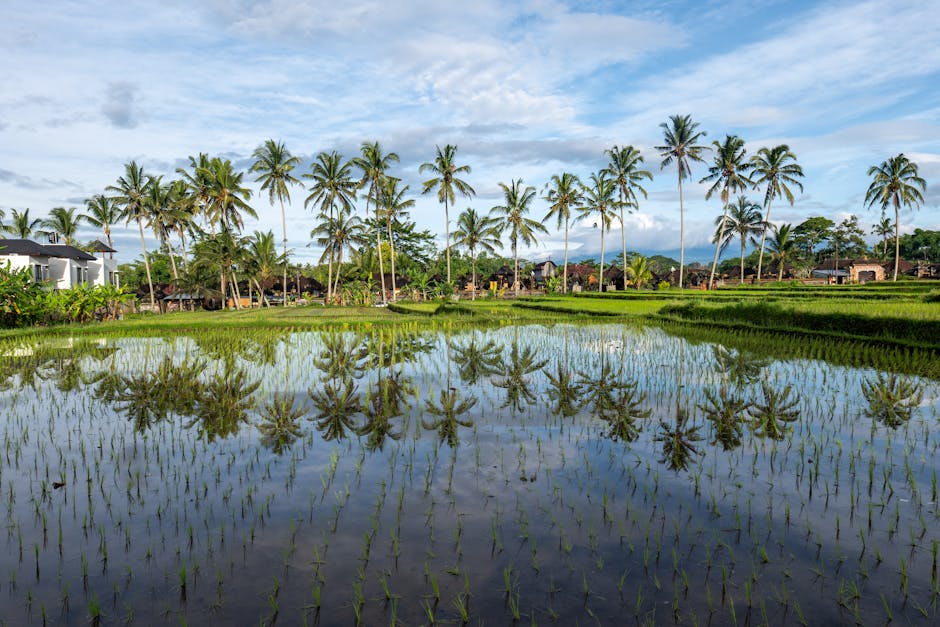
Photo by Mark Direen on Pexels
Why Visit Bali?#
Bali, often referred to as the “Island of the Gods,” is a tropical paradise that captivates visitors with its stunning landscapes, vibrant culture, and warm hospitality. Known for its lush rice terraces, pristine beaches, and lush volcanic mountains, Bali offers a diverse range of experiences, from serene retreats to lively nightlife. The island is steeped in spirituality, with numerous temples dotting the landscape, each showcasing intricate architecture and rich traditions that reflect the Balinese Hindu culture.
What truly sets Bali apart is its ability to cater to all types of travelers. Whether you’re a solo adventurer seeking tranquility, a family looking for fun activities, or a couple in search of romance, Bali has something for everyone. The locals are incredibly welcoming, making it easy to immerse yourself in the island’s culture. Plus, Bali’s affordability means you can enjoy a luxurious experience without breaking the bank.
Best Time to Visit Bali#
Bali is a year-round destination, but the best time to visit largely depends on your preferences for weather and crowds. The dry season runs from April to October, with the peak months being July and August. During this time, you can expect plenty of sunshine, low humidity, and minimal rainfall, making it ideal for outdoor activities like surfing and hiking. However, these months also attract the largest crowds and higher prices.
The wet season, from November to March, brings heavier rainfall, particularly in December and January. While you may encounter occasional downpours, the island is less crowded, and prices for accommodations and activities tend to drop significantly. If you’re looking to enjoy Bali like a local, consider visiting during the shoulder months of April, May, September, and October when the weather is still pleasant, and the tourist influx is lower.
Where to Stay in Bali#

Bali offers a plethora of neighborhoods, each with its unique charm and vibe. Here are a few recommendations across different budget tiers:
Budget: Kuta and Legian
Kuta is famous for its vibrant nightlife and surf-friendly beaches. It’s a popular spot for backpackers and budget travelers, with plenty of affordable guesthouses and hostels. Nearby Legian offers a slightly quieter atmosphere while still providing easy access to the beach and nightlife.
Mid-Range: Seminyak and Canggu
Seminyak is known for its trendy boutiques, upscale dining, and chic beach clubs. This area offers a range of mid-range hotels and villas that provide a more luxurious experience without the hefty price tag. Canggu, on the other hand, has a laid-back, surf-town vibe with hip cafes and co-working spaces, making it ideal for digital nomads.
Luxury: Ubud and Nusa Dua
For a more tranquil escape, Ubud is surrounded by lush jungles and rice paddies, offering luxury resorts that focus on wellness and relaxation. Nusa Dua, known for its pristine beaches, is home to high-end resorts and private villas, perfect for those seeking a luxurious getaway.
Top Things to Do in Bali#
Visit Uluwatu Temple
Perched on a cliff overlooking the Indian Ocean, Uluwatu Temple is one of Bali’s most iconic sea temples. The breathtaking views and stunning sunsets make it a must-visit, especially during the evening Kecak dance performances.Explore the Rice Terraces of Tegallalang
These famous rice terraces are a UNESCO World Heritage site and offer stunning views of the layered fields. A walk through the terraces is a great way to experience Bali’s agricultural beauty and local culture.Hike Mount Batur
For adventure seekers, a sunrise hike up Mount Batur is an unforgettable experience. The trek usually starts in the early morning, allowing you to witness breathtaking views of the sunrise over the caldera lake.Discover the Sacred Monkey Forest
Located in Ubud, this lush sanctuary is home to hundreds of playful monkeys. The forest is also dotted with ancient temples and beautiful pathways, making it a serene spot to explore.Relax at Seminyak Beach
Known for its stunning sunsets and beach clubs, Seminyak Beach is perfect for sunbathing, swimming, or enjoying a cocktail at one of the many beachfront bars.Experience Balinese Cooking Classes
Engage in a hands-on cooking class to learn about traditional Balinese ingredients and cooking techniques. It’s a fun and interactive way to immerse yourself in the local culture.Visit Tanah Lot Temple
This iconic sea temple is a popular spot for photography, especially during sunset. The temple is situated on a rock formation and offers stunning coastal views.Explore the Art Scene in Ubud
Ubud is known as Bali’s cultural heart, with numerous art galleries, craft shops, and local markets. Take your time exploring the vibrant art scene and pick up unique souvenirs.Go Snorkeling in Amed
For a quieter beach experience, head to Amed. This coastal village offers excellent snorkeling opportunities with vibrant coral reefs and diverse marine life.Take a Yoga Class
Bali is a hub for wellness and spirituality. Participate in a yoga class at one of the many studios in Ubud or Seminyak to rejuvenate your body and mind.
Food and Dining Guide#

Bali’s culinary scene is as diverse as its landscapes, offering a delightful blend of traditional flavors and modern twists. Here are some local cuisine highlights and must-try dishes:
Nasi Goreng: This Indonesian fried rice dish is a staple and often served with chicken, shrimp, or vegetables. It’s a flavorful and satisfying meal, perfect for breakfast or lunch.
Babi Guling: A Balinese specialty, this roasted suckling pig is seasoned with a mix of spices and served with rice and vegetables. It’s a must-try for meat lovers.
Sate Lilit: A unique twist on traditional satay, Sate Lilit is made with minced meat mixed with coconut and spices, wrapped around a lemongrass skewer and grilled.
Lawar: This traditional salad is made from finely chopped vegetables, coconut, and minced meat or fish. It’s often served as a side dish and is rich in flavor.
Bubur Injin: A delicious black rice pudding, Bubur Injin is a popular dessert made with coconut milk and palm sugar, often enjoyed warm.
For a true taste of Bali, explore local warungs (small eateries) for authentic dishes at affordable prices. Don’t miss out on street food stalls offering snacks like Pisang Goreng (fried bananas) and Kerupuk (crispy crackers), which are popular among locals.
Getting Around Bali#
Getting around Bali can be an adventure in itself. Here are some options to consider:
Public Transit: While Bali doesn’t have a comprehensive public transportation system, bemos (shared minivans) operate in certain areas and are a budget-friendly way to travel short distances.
Taxis and Ride-Sharing: Taxis are widely available, but it’s best to use ride-sharing apps for convenience and fair pricing. Always agree on a fare before starting your journey if you’re hailing a traditional taxi.
Scooter Rental: Renting a scooter is a popular way to explore the island at your own pace. Rental shops are plentiful, but ensure you have a valid international driver’s license and wear a helmet.
Walking: Many areas, especially in Ubud and Seminyak, are pedestrian-friendly. Strolling through local streets allows you to discover hidden gems and interact with locals.
Car Rental: If you’re planning to explore more remote areas, consider renting a car. Be mindful of local driving conditions, and consider hiring a driver for a more relaxed experience.
Budget Breakdown#
Understanding the cost of traveling in Bali can help you plan your trip more effectively. Here’s a daily budget estimate for different types of travelers:
Budget Travelers: Expect to spend around $30-50 per day. This includes staying in budget accommodations, eating at local warungs, using public transport, and engaging in free or low-cost activities.
Mid-Range Travelers: A budget of $100-150 per day allows for comfortable accommodations, dining at a mix of local and mid-range restaurants, and participating in various activities like guided tours or spa treatments.
Luxury Travelers: If you’re looking for a high-end experience, budget around $250-500 per day. This includes staying in luxury resorts, fine dining, private transportation, and exclusive activities like private tours or wellness retreats.
Travel Tips for Bali#
Safety First: Bali is generally safe for tourists, but always be cautious of your belongings and avoid walking alone in poorly lit areas at night.
Tipping: Tipping is appreciated but not mandatory. A small percentage (10-15%) is common in restaurants, while rounding up for taxi drivers is a nice gesture.
Learn Basic Bahasa Indonesia: Knowing a few phrases in the local language can enhance your experience and help in communicating with locals.
Get a Local SIM Card: Purchasing a local SIM card upon arrival will keep you connected and make navigation much easier. Many shops offer affordable plans.
Beware of Scams: Be cautious of overly friendly locals offering unsolicited assistance or overpriced tours. Always agree on prices beforehand and do your research.
Respect Local Customs: Bali has a rich cultural heritage, so dress modestly when visiting temples and respect local customs and traditions.
Stay Hydrated: The tropical climate can be quite humid, so drink plenty of water, especially if you’re engaging in outdoor activities.
Bali is an enchanting destination that offers a unique blend of culture, adventure, and relaxation. By exploring the island like a local, you’ll create memories that will last a lifetime. If you’re also considering a trip to Kathmandu, Nepal or Ho Chi Minh City, Vietnam , check out our guides for more travel inspiration. Happy travels!