📌 Disclaimer
Prices, schedules, tour details, flight routes, visa requirements, and all other information on this page are based on data at the time of writing. Fares, availability, and policies may change. Please verify current details on the official website before booking.
Photo by Optical Chemist on Pexels
Why Visit Bangkok ?#
Bangkok, the vibrant capital of Thailand , is a city that never sleeps. Known for its rich history, stunning temples, and bustling street life, it offers a unique blend of ancient culture and modern urban living. The city’s energy is palpable, from the chaotic traffic to the aromatic street food stalls that line its busy streets. You’ll find everything from traditional Thai dance performances to lively night markets, making it a destination that caters to all types of travelers.
What truly sets Bangkok apart is its ability to surprise you. One moment you might be visiting a centuries-old temple, and the next, you could be sipping a cocktail at a rooftop bar overlooking the Chao Phraya River. The warmth of the Thai people, coupled with the city’s dynamic atmosphere, creates an experience that is both welcoming and exhilarating. Whether you’re a history buff, a foodie, or an adventurer, Bangkok promises an unforgettable journey.
Best Time to Visit Bangkok#
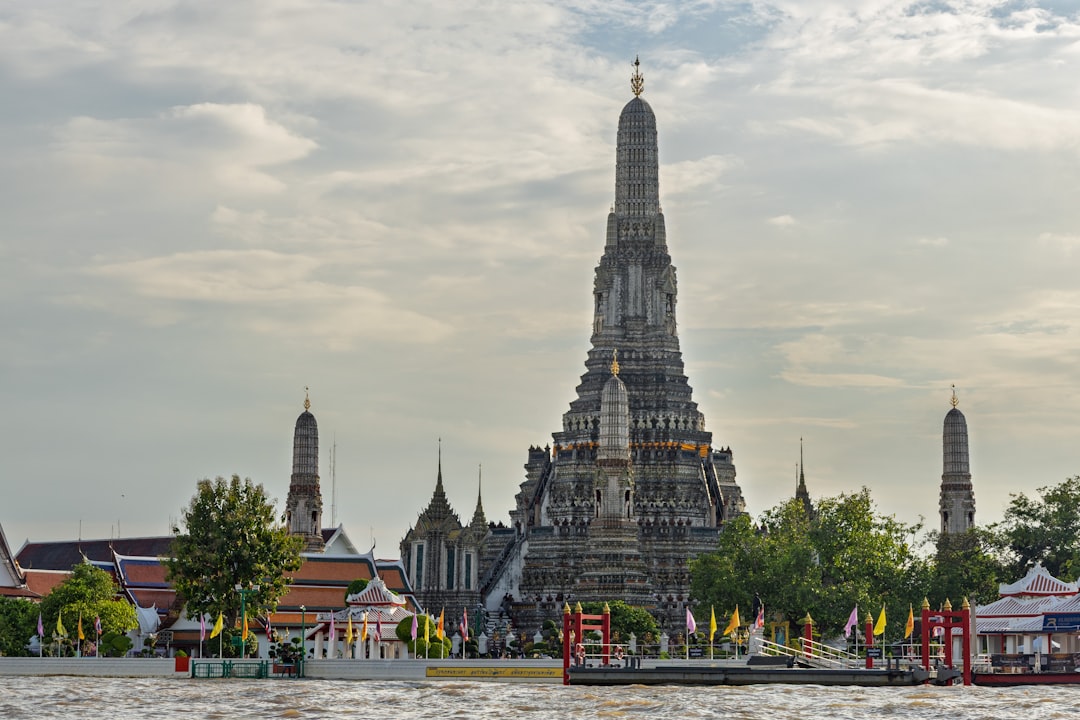
Bangkok’s tropical climate means it’s warm year-round, but the best time to visit is typically between November and February. During these months, the weather is cooler and less humid, making it perfect for exploring the city. Expect temperatures to hover around 70°F to 90°F, with clear skies and lower rainfall.
March to May marks the hot season, where temperatures can soar above 95°F, leading to sweltering days that may deter some travelers. However, this is also when hotel rates can drop, making it a budget-friendly option for those who can handle the heat. The rainy season runs from June to October, with September being the wettest month. While the downpours can be heavy, they are often short-lived, and the city is less crowded during this time, offering a more local experience.
Where to Stay in Bangkok#
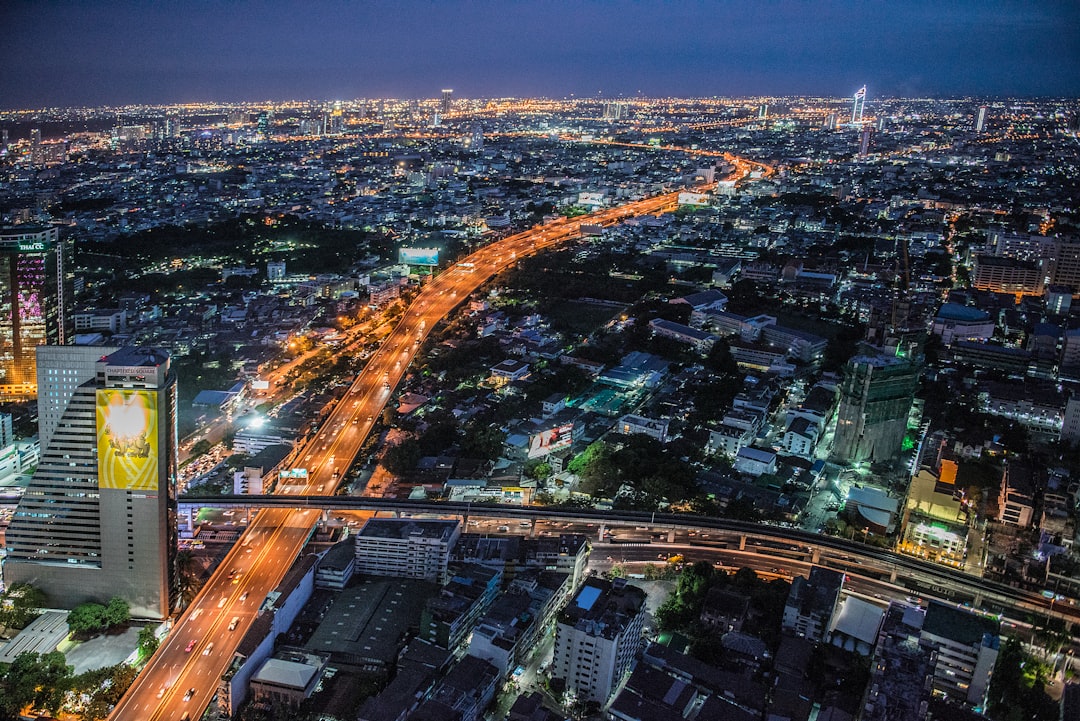
When choosing where to stay in Bangkok, consider the neighborhoods that best suit your travel style.
Budget: Khao San Road is a backpacker’s paradise, filled with affordable hostels and guesthouses. The area is lively, with plenty of food stalls and bars, making it perfect for socializing and meeting fellow travelers.
Mid-Range: Sukhumvit is a trendy area known for its shopping and dining options. Here, you can find boutique hotels and serviced apartments that offer a comfortable stay without breaking the bank. The proximity to public transit makes it easy to explore the city.
Luxury: For those seeking a more upscale experience, the Riverside area offers luxury hotels with stunning views of the Chao Phraya River. This area is quieter and more serene, making it a perfect retreat after a day of exploring the bustling city.
Local Vibe: If you want to experience Bangkok like a local, consider staying in the Thonglor or Ekkamai neighborhoods. These areas are known for their trendy cafes, boutique shops, and a vibrant nightlife scene, providing a taste of contemporary Thai culture.
Top Things to Do in Bangkok#
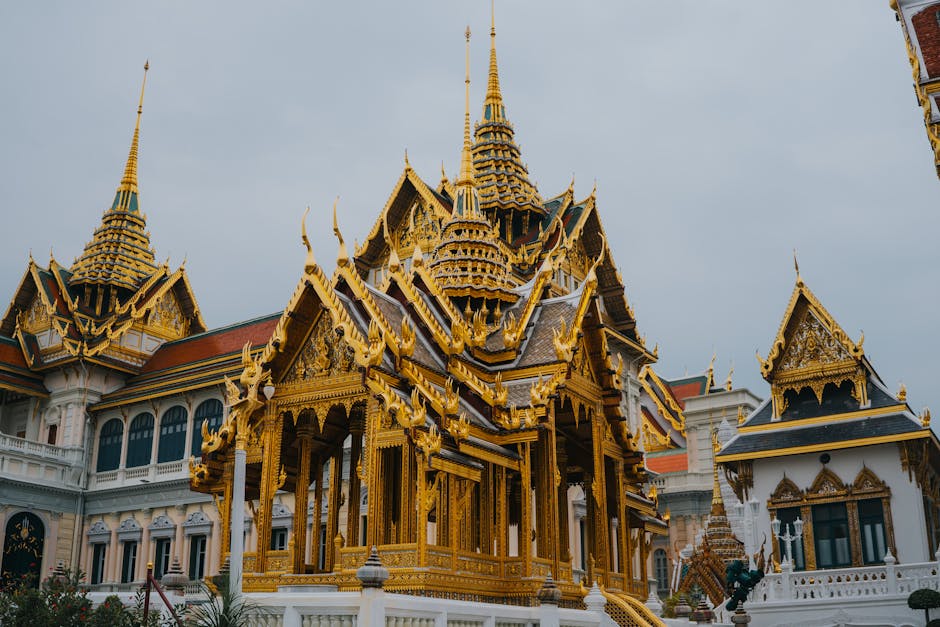
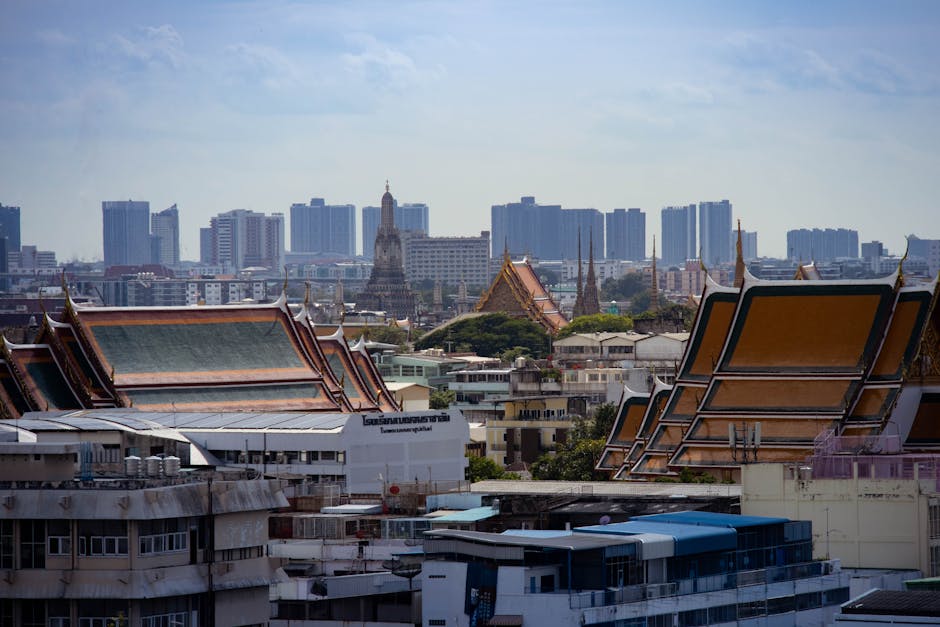
The Grand Palace: This iconic landmark is a must-visit. The former royal residence features stunning architecture and intricate details, including the Emerald Buddha, Thailand’s most revered religious artifact.
Wat Pho: Home to the famous Reclining Buddha, this temple is one of the oldest and largest in Bangkok. Don’t forget to get a traditional Thai massage at the temple’s massage school.
Chatuchak Weekend Market: If you’re in Bangkok over the weekend, this sprawling market is a treasure trove of local goods, from clothing and handicrafts to street food. It’s a great place to practice your bargaining skills.
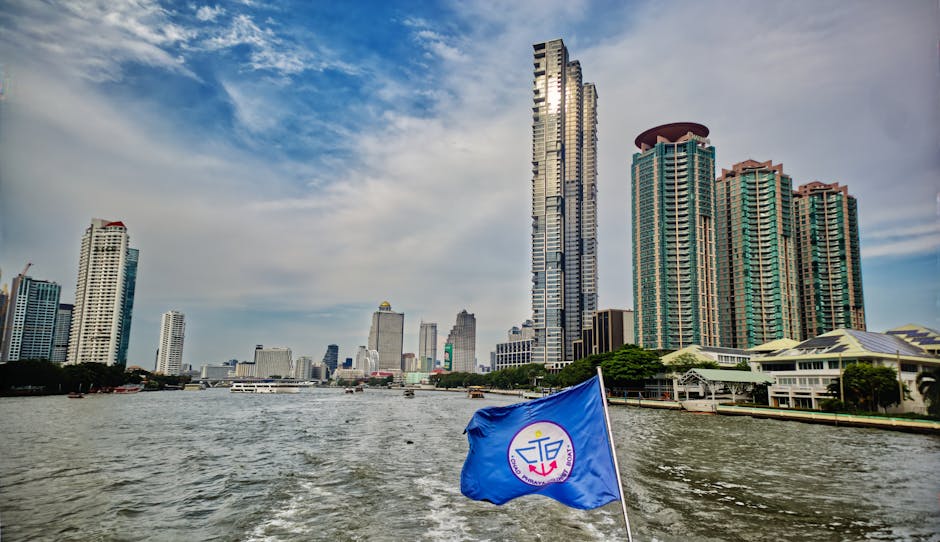
Chao Phraya River Cruise: Take a boat ride along the river to see the city from a different perspective. You can hop on a public boat or book a dinner cruise for a more romantic evening.
Jim Thompson House: This museum dedicated to the American silk entrepreneur offers a glimpse into traditional Thai architecture and the history of silk production in Thailand.
Bangkok Art and Culture Centre (BACC): For art lovers, this contemporary art venue hosts rotating exhibitions, performances, and workshops, showcasing both local and international artists.
Asiatique The Riverfront: A blend of shopping, dining, and entertainment, this open-air mall is set along the river and features a lively night market atmosphere.
Erawan Shrine: Famous for its sacred statue of Brahma, this shrine attracts both locals and tourists who come to pray and witness traditional Thai dance performances.
Khao San Road: Known as the backpacker hub, this street is vibrant with street food, bars, and shops. It’s an excellent place for people-watching and enjoying the nightlife.
Lumphini Park: For a peaceful escape from the city’s hustle and bustle, this large park offers walking paths, lakes, and even a chance to see monitor lizards in the wild.
Food and Dining Guide#
Bangkok is a food lover’s paradise, offering a diverse range of culinary experiences. The local cuisine is known for its bold flavors, aromatic herbs, and fresh ingredients. Here are some must-try dishes:
Pad Thai: This famous stir-fried noodle dish is a staple in Thai cuisine, typically made with shrimp or chicken, tofu, peanuts, and bean sprouts.
Tom Yum Goong: A hot and sour soup made with shrimp, lime, lemongrass, and chili paste, this dish is a perfect introduction to the bold flavors of Thai cooking.
Som Tum (Green Papaya Salad): A refreshing and spicy salad made with shredded green papaya, tomatoes, peanuts, and a tangy dressing.
Massaman Curry: A rich and mild curry that combines Thai and Indian flavors, often made with beef or chicken, potatoes, and peanuts.
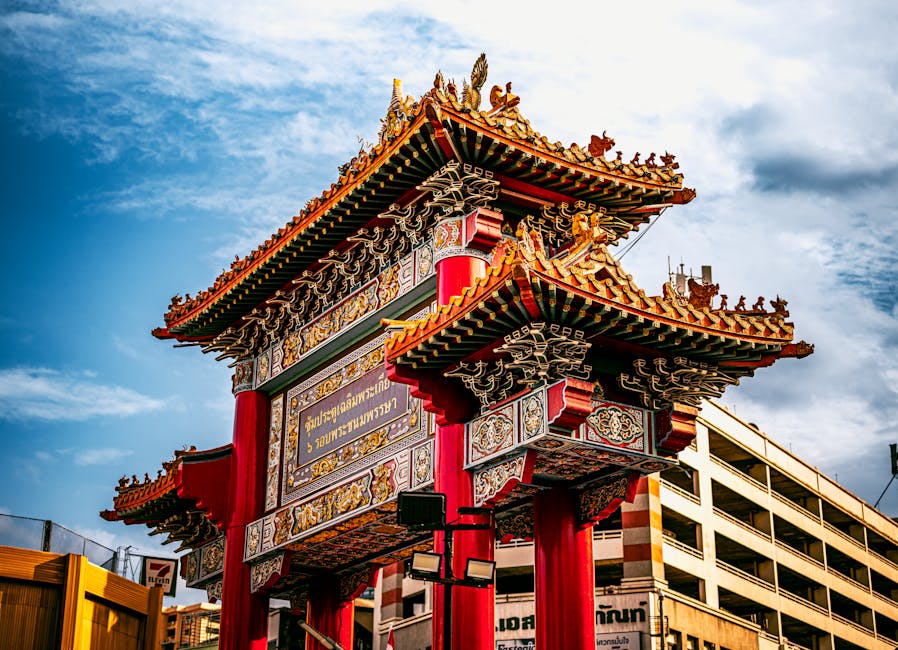
Street Food: Don’t miss out on the street food scene. From grilled skewers to mango sticky rice, the options are endless. Be sure to try some local dishes from vendors in areas like Chinatown or Khao San Road.
Dining in Bangkok ranges from street stalls to high-end restaurants. For an authentic experience, eat where the locals eat, but if you’re looking for a more upscale meal, consider dining at one of the many rooftop restaurants that offer stunning views of the city.
Getting Around Bangkok#
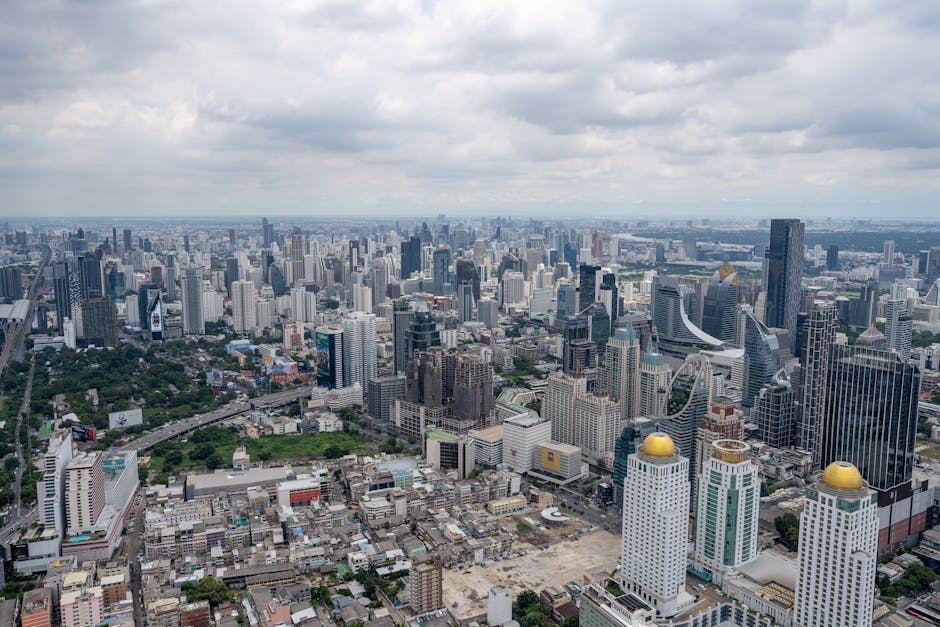
Navigating Bangkok can be a breeze if you know your options. The city has an extensive public transportation system, including the BTS Skytrain and MRT subway, which are efficient and cost-effective ways to get around. The BTS covers many key areas, making it easy to reach popular attractions.
Taxis and tuk-tuks are readily available, but be sure to negotiate the fare for tuk-tuks or insist on using the meter for taxis. Ride-hailing apps are also popular and often provide a more comfortable and straightforward experience.
Walking is a great way to explore neighborhoods, especially in areas like Sukhumvit and Silom, where you can find hidden gems off the beaten path. However, be cautious of the traffic and always stay aware of your surroundings.
Renting a car is not recommended due to heavy traffic and limited parking. Instead, embrace the local transit options and enjoy the journey.
Budget Breakdown#
When planning your budget for a week in Bangkok, consider the following daily estimates:
Budget Traveler: Around $30-50 per day, staying in hostels or guesthouses, eating street food, and using public transport.
Mid-Range Traveler: Approximately $100-150 per day, including boutique hotels or mid-range accommodations, dining at local restaurants, and some paid attractions.
Luxury Traveler: Expect to spend $250+ per day, enjoying high-end hotels, fine dining, and private tours or experiences.
These estimates can vary based on your personal preferences and travel style, but they provide a general framework for budgeting your trip.
Travel Tips for Bangkok#
Stay Hydrated: The heat and humidity can be intense, so drink plenty of water throughout the day.
Dress Appropriately: When visiting temples, dress modestly. This means covering shoulders and knees. Lightweight, breathable clothing is ideal for the weather.
Learn Basic Thai Phrases: While many people speak English, knowing a few basic phrases can enhance your experience and show respect for the culture.
Be Mindful of Scams: Be cautious of overly friendly strangers offering unsolicited help or tours. Stick to reputable services and always verify prices before accepting services.
Use Cash Wisely: While credit cards are accepted in many places, cash is still king in markets and street food stalls. ATMs are widely available, but check for foreign transaction fees.
Tipping: Tipping is appreciated but not mandatory. Leaving small change at restaurants or rounding up taxi fares is a kind gesture.
Get a SIM Card: Stay connected by purchasing a local SIM card upon arrival. This will help you navigate the city and stay in touch with loved ones.
Bangkok is a city that offers endless opportunities for adventure, relaxation, and cultural immersion. By following this week-long itinerary, you’ll experience the best of what this vibrant metropolis has to offer. If you’re also considering a trip to Siem Reap, Cambodia or Hong Kong, China , be sure to check out our guides for more travel inspiration.