📌 Disclaimer
Prices, schedules, tour details, flight routes, visa requirements, and all other information on this page are based on data at the time of writing. Fares, availability, and policies may change. Please verify current details on the official website before booking.
Photo by Osviel Rodriguez Valdés on Pexels
Why Visit Berlin?#
Berlin is a city that pulsates with a unique energy, blending history, creativity, and innovation in a way that few places can. As the capital of Germany, it has a rich tapestry of culture and a vibrant arts scene, making it a magnet for travelers seeking both education and entertainment. From the remnants of the Berlin Wall to the stunning architecture of the Brandenburg Gate, each corner of this city tells a story of resilience and transformation.
What sets Berlin apart is its eclectic mix of the old and the new. You can stroll along the historic Unter den Linden boulevard, then pop into a modern café or a street art gallery in the trendy Kreuzberg neighborhood. Whether you’re a history buff, a foodie, or an art enthusiast, Berlin offers something for everyone. The city is also known for its open-mindedness and inclusivity, making it a welcoming destination for all travelers.
Best Time to Visit Berlin#
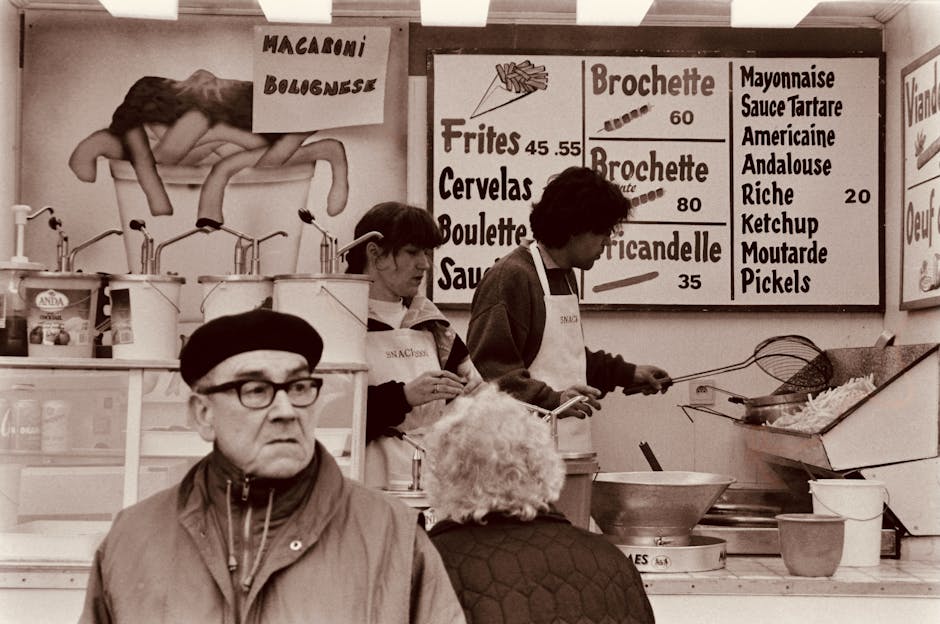
Berlin can be enjoyed year-round, but the best time to visit depends on your preferences for weather and crowd levels.
Spring (March to May): This is one of the most pleasant times to explore Berlin. The weather begins to warm up, with temperatures ranging from the low 40s to mid-60s Fahrenheit. Crowds are moderate, and the blooming parks add a splash of color to the city. Early spring can still be chilly, so pack layers.
Summer (June to August): Summer is peak tourist season in Berlin, with temperatures often reaching the 70s and 80s. The city buzzes with outdoor festivals, street markets, and events. However, expect larger crowds and higher accommodation prices during this time.
Fall (September to November): Fall offers a beautiful transition as the leaves change, with temperatures ranging from the 50s to 70s. The city is less crowded than in summer, making it a great time for sightseeing. Prices begin to drop as well.
Winter (December to February): If you enjoy winter festivities, visiting Berlin during the colder months can be magical. The city is adorned with Christmas markets, and temperatures can dip into the 20s and 30s. While it can be cold, visiting in winter often means lower prices and fewer tourists.
Where to Stay in Berlin#
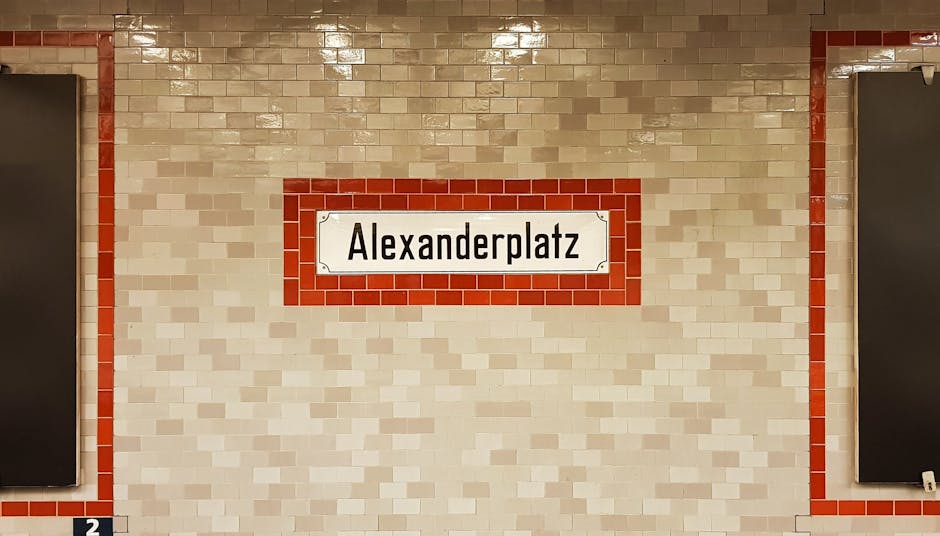
Finding the right neighborhood can enhance your Berlin experience. Here are some recommendations across various budget tiers:
Budget: Look into staying in areas like Friedrichshain or Neukölln. These neighborhoods have a youthful vibe with plenty of hostels and affordable guesthouses. You’ll find a lively atmosphere with plenty of bars, restaurants, and public transport options.
Mid-Range: Prenzlauer Berg is an excellent choice for mid-range travelers. It’s known for its charming streets and family-friendly parks. You can find boutique hotels and guesthouses that offer a cozy stay without breaking the bank.
Luxury: For those looking to splurge, the Mitte district is the heart of Berlin and home to many high-end hotels. Staying here puts you within walking distance of major attractions like the Museum Island and Brandenburg Gate, along with upscale dining and shopping options.
Top Things to Do in Berlin#
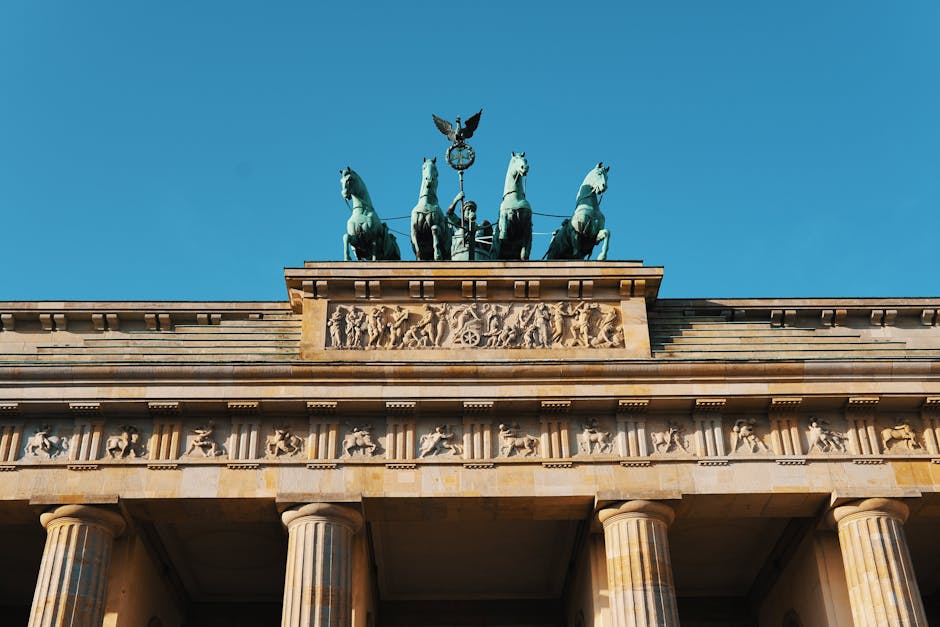
Brandenburg Gate: This iconic neoclassical monument symbolizes Berlin’s reunification and is a must-visit. It’s especially beautiful when illuminated at night.
Berlin Wall Memorial: A poignant reminder of the city’s divided past, this memorial offers a comprehensive overview of the Berlin Wall’s history. The visitor center provides insightful exhibits.
Museum Island: A UNESCO World Heritage Site, Museum Island is home to five world-renowned museums. Art and history lovers can easily spend hours here.
East Side Gallery: This open-air gallery features murals painted on the remnants of the Berlin Wall. It’s a vibrant and artistic representation of freedom and creativity.
Reichstag Building: The seat of the German parliament, this historic building has a stunning glass dome that offers panoramic views of the city. Reserve your visit in advance to avoid long lines.
Tempelhofer Feld: Once an airport, this vast park is perfect for picnics, cycling, and kite-flying. It’s a unique space where locals gather and enjoy the outdoors.
Kreuzberg: Explore this hip neighborhood known for its multicultural vibe, street art, and vibrant nightlife. It’s a great place for foodies looking to sample international cuisine.
Charlottenburg Palace: This beautiful baroque palace is surrounded by stunning gardens. A visit here offers a glimpse into the opulence of Prussian royalty.
Checkpoint Charlie: Once a crossing point between East and West Berlin, this historic site now features a museum detailing the stories of those who attempted to escape.
Mauerpark: On Sundays, this park comes alive with a flea market, karaoke sessions, and street performers. It’s a great spot to soak up local culture and enjoy a lively atmosphere.
Food and Dining Guide#
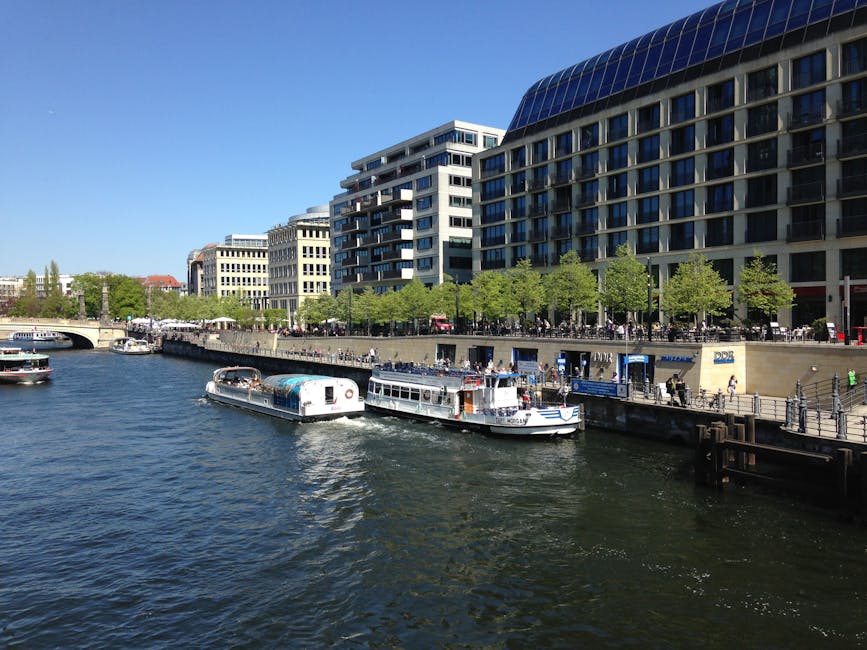
Berlin’s culinary scene is as diverse as its population. Here are some local cuisine highlights and must-try dishes:
Currywurst: A beloved street food, this dish consists of a steamed and fried sausage topped with curry ketchup. You can find it at various street vendors throughout the city.
Doner Kebab: A staple in Berlin, the doner kebab is a delicious sandwich made with marinated meat, fresh vegetables, and sauce, all stuffed into pita bread. It’s a perfect late-night snack after exploring the nightlife.
Schnitzel: This breaded and fried meat dish is a German classic. You can find variations throughout the city, often served with potatoes and a side salad.
Berliner Pfannkuchen: These jelly-filled donuts are a sweet treat you won’t want to miss. They’re especially popular during New Year’s celebrations but can be enjoyed year-round.
Street Food Markets: Don’t miss out on Berlin’s vibrant street food scene. Markets like Markthalle Neun offer a variety of international dishes and local delicacies, perfect for sampling.
Dining options range from casual street food stalls to upscale restaurants. If you’re looking for a more relaxed experience, consider visiting a local beer garden, where you can enjoy traditional German fare with a refreshing brew.
Getting Around Berlin#
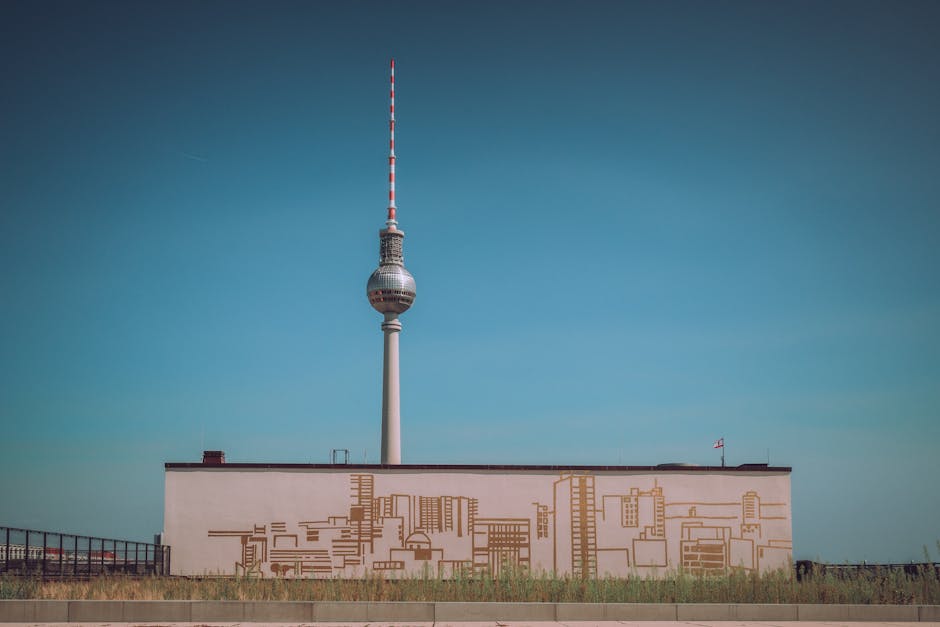
Navigating Berlin is relatively easy due to its extensive public transportation system. Here’s a breakdown of your options:
Public Transit: The U-Bahn (subway) and S-Bahn (urban trains) are reliable and cover most of the city. Buses and trams are also available for areas not served by trains. A day pass can be a cost-effective way to explore.
Walking: Many of Berlin’s attractions are located within walking distance of each other, especially in central areas like Mitte and Kreuzberg. Walking allows you to discover hidden gems along the way.
Taxis and Rideshares: Taxis are available but can be pricier than public transit. Rideshare options are also available and can be a convenient choice, especially at night.
Biking: With many bike lanes and rental services available, cycling is a popular option. It’s a great way to see the city at your own pace.
Rental Cars: While renting a car is possible, parking can be challenging in the city center. Public transit is generally the more efficient choice for getting around.
Budget Breakdown#
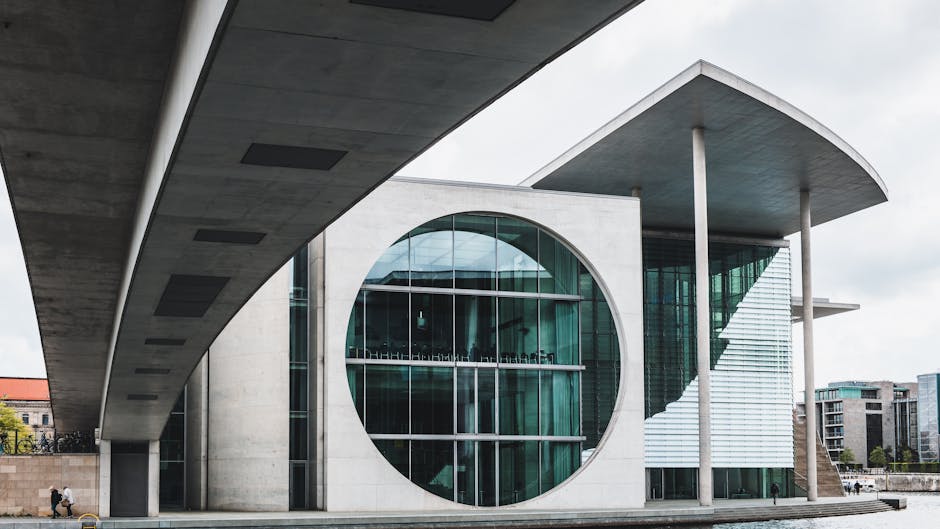
When planning your trip to Berlin, it’s helpful to have a budget in mind. Here’s a daily budget estimate for different types of travelers:
Budget Travelers: Expect to spend around $50-80 per day. This includes staying in hostels or budget hotels ($30-50), eating inexpensive meals ($10-20), and using public transport ($5-10).
Mid-Range Travelers: A budget of $100-200 per day is reasonable. Accommodation in mid-range hotels will cost about $70-150, while meals at casual restaurants may run $20-40. Public transport and activities can add another $10-20.
Luxury Travelers: If you’re looking to splurge, consider a budget of $250 and up. Luxury accommodations start around $150-300, with fine dining experiences costing $50 or more per meal. Activities and private transport can easily add up to $50-100 daily.
Travel Tips for Berlin#
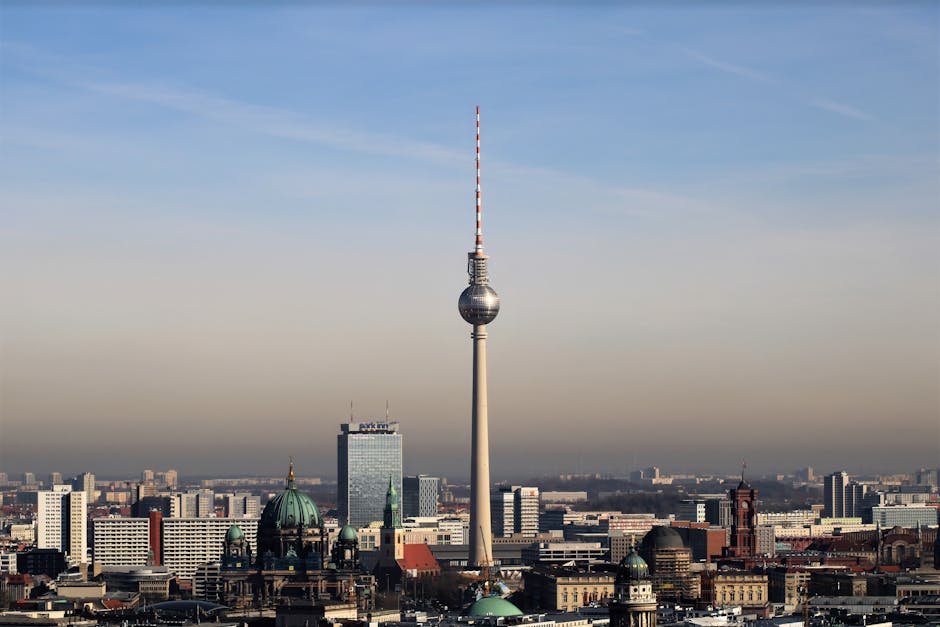
Safety: Berlin is generally safe for travelers, but like any major city, be mindful of your belongings, especially in crowded areas.
Tipping: Tipping is customary but not obligatory. Rounding up your bill or adding 5-10% is appreciated in restaurants.
Language: While many Berliners speak English, learning a few basic German phrases can enhance your experience and is often appreciated by locals.
SIM Cards: If you need data on the go, consider purchasing a local SIM card. Many shops offer prepaid options that are easy to set up.
Avoiding Scams: Be cautious of street performers who may ask for money after performing. It’s always best to enjoy the performance without feeling pressured to tip.
Public Transport Etiquette: Always validate your ticket before boarding trains and trams to avoid fines. Keep noise levels down, especially on public transport.
Local Events: Check local listings for festivals, concerts, and markets during your visit. Events can provide a unique glimpse into Berlin’s culture and community.
Berlin is a city that promises adventure, history, and a taste of the unexpected. With these tips and insights, you’re well-equipped to explore this dynamic metropolis. If you’re also considering a trip to Nice, France or Lake Bled, Slovenia , check out our guides for more travel inspiration.