📌 Disclaimer
Prices, schedules, tour details, flight routes, visa requirements, and all other information on this page are based on data at the time of writing. Fares, availability, and policies may change. Please verify current details on the official website before booking.
Photo by Ruben Boekeloo on Pexels
Why Visit Dublin?#
As you step onto the cobblestone streets of Dublin, the aroma of freshly baked soda bread mingles with the earthy scent of rain-soaked stone. The city’s charm lies not only in its historic architecture and lively atmosphere but also in its warm, welcoming people, who seem to carry the spirit of their ancestors in every conversation. Dublin is a city that pulsates with stories, from the legends of its literary greats like James Joyce and Samuel Beckett to the folklore that dances through the streets of Temple Bar.
The blend of old and new is palpable here. Medieval castles sit alongside modern art galleries, and traditional pubs overflow with the sounds of live music, creating an inviting backdrop for travelers. Dublin’s rich mix of history, art, and culture makes it an exceptional destination for American travelers looking to experience something both familiar and refreshingly different. Whether you’re exploring the historic grounds of Trinity College or enjoying a pint at a local pub, Dublin offers a unique experience at every turn.
Best Time to Visit Dublin#

Photo by Dahlia E. Akhaine on Pexels
Dublin’s climate is characterized by mild temperatures and relatively consistent rainfall, making it a year-round destination. However, the best time to visit depends on your preferences for weather and crowd levels. Spring (March to May) is ideal for those who enjoy blooming flowers and moderate temperatures, with daytime highs averaging between 50-60°F. This season attracts fewer tourists, allowing for a more relaxed exploration of the city.
Summer (June to August) sees the highest number of visitors, with temperatures ranging from 60-70°F. The longer daylight hours and numerous festivals create a lively atmosphere, but be prepared for larger crowds and higher accommodation prices. Fall (September to November) brings another wave of pleasant weather, with crisp air and colorful foliage, while winter (December to February) offers a quieter experience, though temperatures can dip to the 40s. During winter, Dublin transforms into a festive wonderland with holiday markets and celebrations, perfect for those who enjoy a more tranquil visit.
Where to Stay in Dublin#
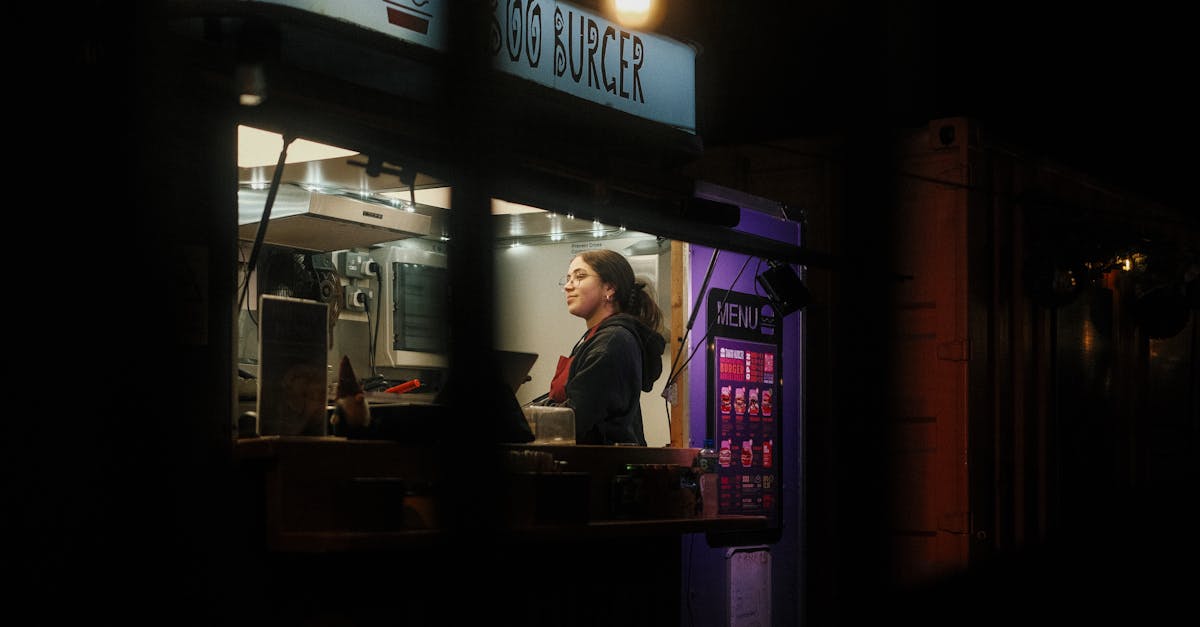
Photo by atelierbyvineeth . . . on Pexels
Finding the right neighborhood to stay in Dublin can greatly enhance your experience. For budget-conscious travelers, Smithfield offers a range of affordable accommodations and easy access to public transport, allowing for seamless exploration of the city. This area is also home to the Jameson Distillery, which adds a local flavor to your stay.
For those seeking a mid-range option, Ranelagh is a charming neighborhood filled with cafes, restaurants, and a local vibe. Its proximity to the city center makes it a convenient base for exploring Dublin’s attractions while enjoying a more relaxed atmosphere. The area boasts a variety of accommodations that cater to different tastes.
If luxury is what you seek, consider Dublin 2, which encompasses areas like Merrion Square and St. Stephen’s Green. Here, you’ll find upscale hotels, fine dining, and proximity to some of Dublin’s most iconic landmarks. The lush parks and elegant Georgian architecture create an appealing environment for a more indulgent stay.
Top Things to Do in Dublin#
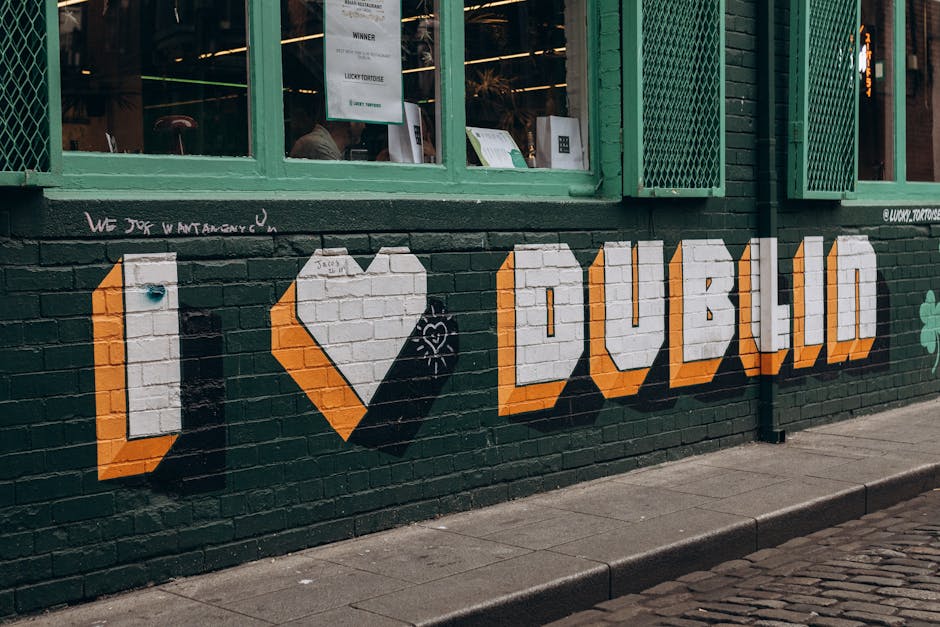
Photo by Joaquin Carfagna on Pexels
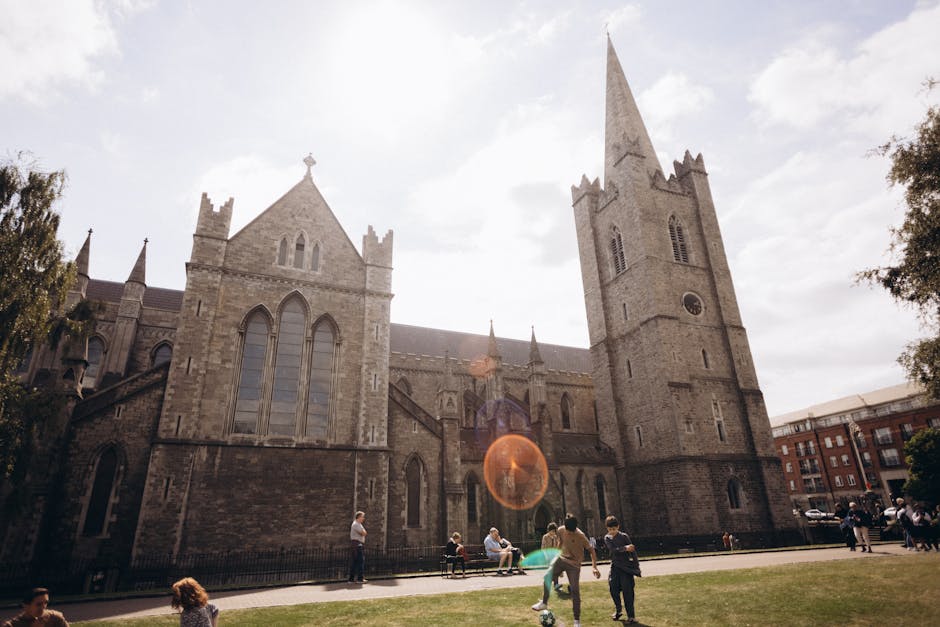
A visit to Trinity College is a must, as it houses the stunning Book of Kells, an illuminated manuscript that dates back to the 9th century. The college’s historic campus, with its cobblestone paths and ancient libraries, invites exploration and reflection. Just a short walk away, the National Gallery of Ireland showcases an impressive collection of European art, providing a cultural respite amid the hustle and bustle of the city.
The Guinness Storehouse offers an engaging experience for those curious about Ireland’s most famous stout. Here, visitors can learn about the brewing process and enjoy a pint at the Gravity Bar, which boasts panoramic views of Dublin’s skyline. For a taste of Dublin’s literary history, the Dublin Writers Museum celebrates the city’s literary giants, making it a fitting stop for book enthusiasts.
Strolling through Temple Bar reveals a lively arts scene, with galleries, street performers, and lively pubs lining the streets. The area is perfect for experiencing Dublin’s nightlife, especially if you’re keen on enjoying traditional Irish music. For a more tranquil escape, the Botanic Gardens in Glasnevin offer beautifully landscaped grounds and a chance to connect with nature.
If you’re interested in history, don’t miss a visit to Kilmainham Gaol, a former prison that played a significant role in Ireland’s struggle for independence. The guided tours provide insight into the lives of notable political prisoners and the country’s tumultuous past. For a unique perspective on Dublin’s history, a visit to the Little Museum of Dublin is enlightening, as it tells the story of the city through the eyes of its residents.
Finally, consider a day trip to Howth, a picturesque fishing village located just a short train ride from the city center. The scenic coastal views and fresh seafood make it an ideal escape from the urban environment.
Food and Dining Guide#
Dublin’s food scene reflects its rich history and contemporary influences, offering a delightful mix of traditional Irish fare and international cuisine. A visit to Dublin wouldn’t be complete without trying Irish stew, a hearty dish typically made with lamb or beef, potatoes, and vegetables, perfect for warming you on a chilly day. Another staple is boxty, a type of potato pancake that showcases the local love for this versatile root vegetable.
For a quick bite, fish and chips are an essential part of Dublin’s culinary landscape. Many pubs serve this classic dish, often featuring locally sourced fish. If you’re in the mood for something sweet, don’t miss out on brown bread, typically served with butter or as part of a traditional breakfast. Pair it with a cup of Irish breakfast tea for a truly local experience.
Street food is also thriving in Dublin, with food markets popping up in various neighborhoods. Places like the George’s Street Arcade offer an array of options, from gourmet tacos to artisanal pastries. For a more formal dining experience, be sure to explore some of the city’s acclaimed restaurants, where chefs creatively reinterpret traditional dishes using seasonal ingredients.
Getting Around Dublin#
Navigating Dublin is relatively straightforward, thanks to its well-connected public transport system. The Dublin Bus network covers the entire city and suburbs, making it a convenient option for travelers. A Leap Card can be purchased for easy access to buses, as well as the LUAS tram system, which is efficient for reaching popular areas.
Taxis are readily available, and rideshare options are also popular among locals. If you prefer to explore on foot, many of Dublin’s attractions are within walking distance of each other, allowing for a more intimate experience of the city. Renting a bike is another excellent way to see Dublin, with numerous bike-sharing programs available for visitors.
While driving is an option, be aware that Dublin’s streets can be narrow and congested, particularly in the city center. Parking can also be challenging to find, making public transport or walking a more practical choice for most travelers.
Budget Breakdown#
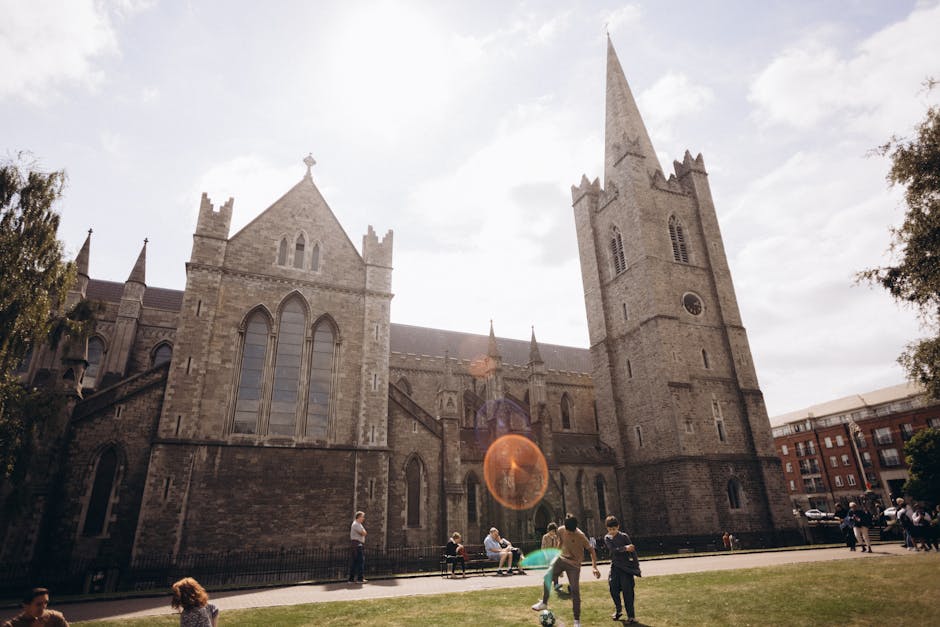
When planning your trip to Dublin, it’s essential to consider your budget. For budget travelers, daily expenses can average around $60-100. This includes accommodations in hostels or budget hotels, meals at casual eateries, and public transport. Mid-range travelers might spend between $150-250 daily, allowing for nicer accommodations, dining at mid-range restaurants, and entry fees to various attractions.
Those seeking a luxury experience can expect to spend upwards of $400 daily, enjoying upscale hotels, fine dining, and exclusive tours. Regardless of your budget, Dublin offers a range of options that cater to different financial plans, ensuring a fulfilling experience for all visitors.
Travel Tips for Dublin#
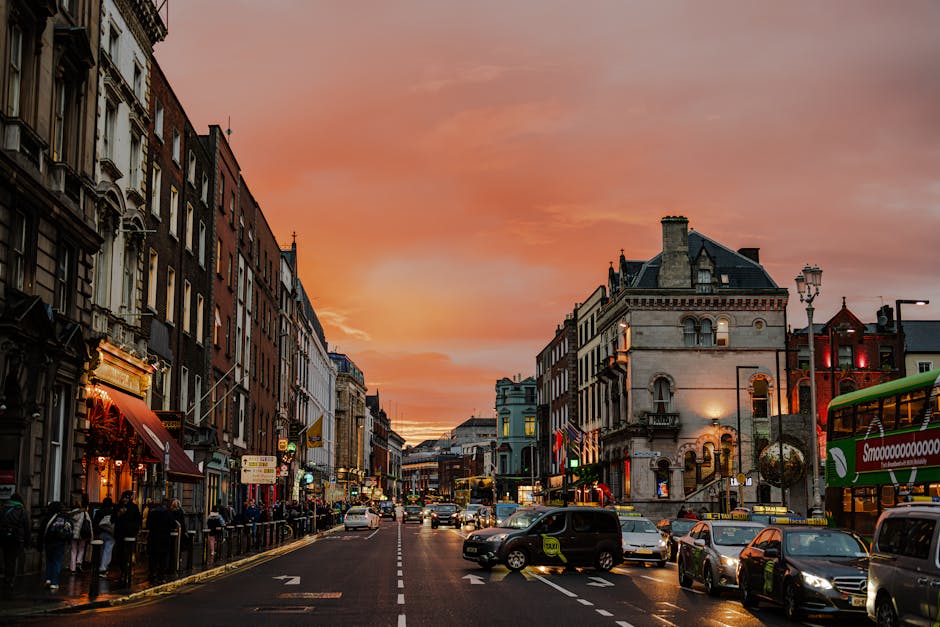
Weather Preparedness is crucial when visiting Dublin, as rain can be unpredictable. Always carry a compact umbrella or a waterproof jacket to stay dry while exploring the city.
Currency and Payments are also important to note. The Euro is the local currency, and while credit cards are widely accepted, having some cash on hand for smaller purchases is advisable.
Cultural Etiquette is essential to respect while in Dublin. Engaging in conversations with locals is encouraged, and a friendly demeanor goes a long way. When entering pubs, it’s customary to order drinks at the bar rather than table service.
Time Management is key to making the most of your trip. Dublin is compact, and many attractions are within walking distance, but it’s wise to plan your days to maximize your experience without feeling rushed.
Finally, Language can be a delightful aspect of visiting Dublin. While English is the primary language, you’ll also encounter Irish (Gaeilge) in various signs and public spaces, adding an authentic touch to your visit.
If you’re also considering a trip to Tbilisi, Georgia or Bruges, Belgium , check out our guides for more travel inspiration. Exploring Dublin will surely leave you with lasting memories and a deeper appreciation for its unique charm.