📌 Disclaimer
Prices, schedules, tour details, flight routes, visa requirements, and all other information on this page are based on data at the time of writing. Fares, availability, and policies may change. Please verify current details on the official website before booking.
Photo by Raffaella Troiano on Pexels
Why Visit Florence?#
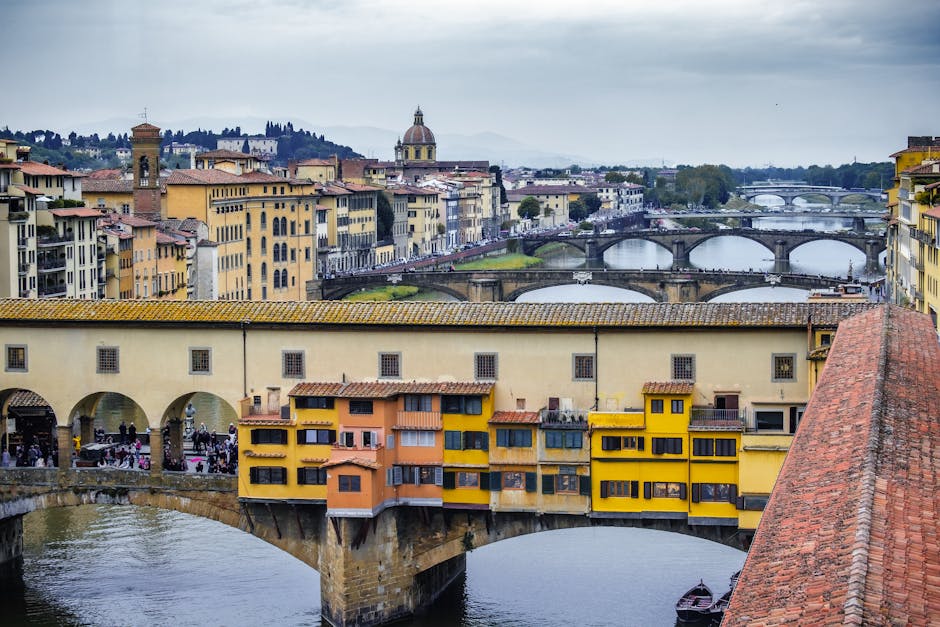
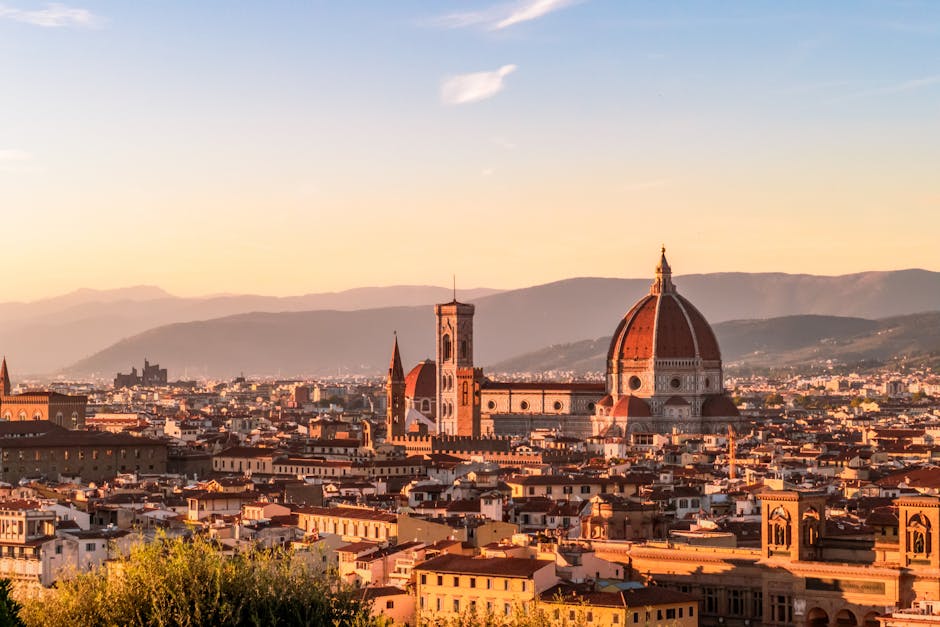
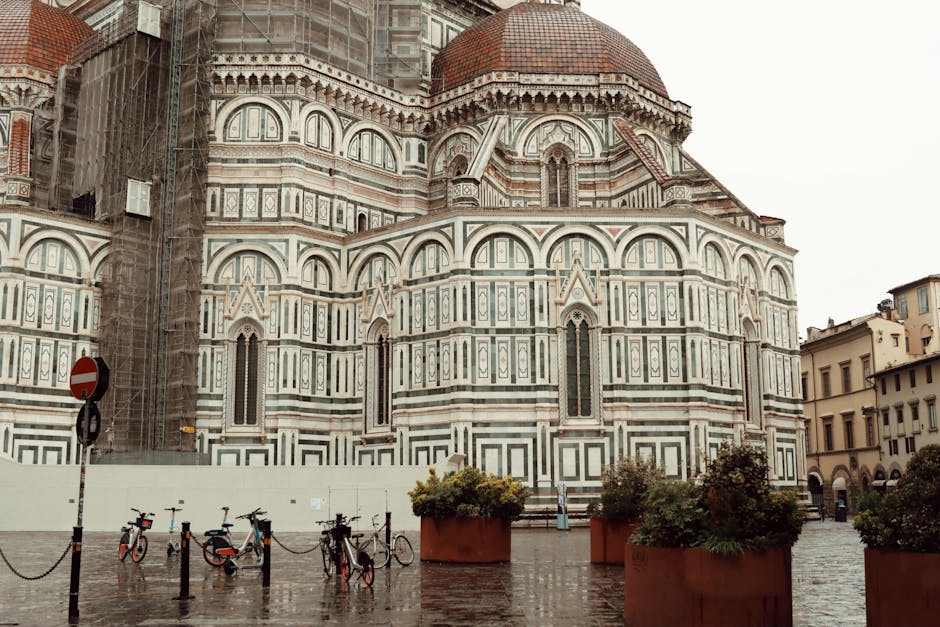
Florence is a city that pulses with history, art, and culture, making it a must-visit destination for American travelers. As the birthplace of the Renaissance, Florence is home to masterpieces by legendary artists like Michelangelo, Botticelli, and Leonardo da Vinci, all of which can be found in its world-renowned museums. The stunning architecture, exemplified by the Duomo and Ponte Vecchio, creates a picturesque backdrop that draws millions of visitors each year.
But beyond its famous landmarks, Florence offers an authentic Italian experience that goes beyond the typical tourist itinerary. Wandering through its charming neighborhoods, savoring local cuisine, and engaging with friendly locals allows travelers to immerse themselves in the vibrant Florentine lifestyle. Whether you’re an art lover, a foodie, or simply in search of stunning views, Florence promises an unforgettable experience.
Best Time to Visit Florence#
Florence enjoys a Mediterranean climate, which means hot summers and mild winters. The best time to visit largely depends on your preferences for weather and crowd levels.
Spring (March to May): This is arguably the best time to visit, as the weather is pleasantly warm, and the city is in full bloom. Expect temperatures ranging from the mid-50s to mid-70s Fahrenheit. Spring also sees fewer tourists compared to summer, making it easier to explore the city.
Summer (June to August): Summer brings high temperatures, often exceeding 85°F, and heavy tourist crowds. If you don’t mind the heat and bustling streets, you can enjoy numerous outdoor festivals and events. However, be prepared for higher prices in accommodation and attractions.
Fall (September to November): Early fall is another excellent time to visit, especially in September and October when the weather remains warm, and the crowds start to thin out. Temperatures can range from the mid-60s to mid-70s, making it ideal for strolling through the city.
Winter (December to February): While winter can be chilly, with temperatures often dipping into the 40s, this season offers a unique charm. Fewer tourists mean shorter lines at attractions, and you can enjoy holiday festivities in December. Prices for accommodation typically drop during this time, making it a more budget-friendly option.
Where to Stay in Florence#
Selecting the right neighborhood can greatly enhance your experience in Florence. Here are some recommendations across different budget tiers:
Budget: The San Lorenzo neighborhood is a great option for budget travelers. Close to the Mercato Centrale and the Duomo, it offers a range of affordable hostels and guesthouses. You’ll find plenty of local eateries and shops, making it easy to experience Florentine life without breaking the bank.
Mid-Range: Oltrarno, located across the Arno River, is known for its artisan workshops and less touristy atmosphere. Here, you can find charming bed-and-breakfasts and boutique hotels. The area is also home to the Pitti Palace and Boboli Gardens, adding to its appeal.
Luxury: For a truly luxurious experience, consider staying in the historical center, near the Duomo or Piazza della Signoria. This area boasts upscale hotels with exquisite views, fine dining, and proximity to major attractions. You’ll be right in the heart of Florence’s vibrant culture and nightlife.
Top Things to Do in Florence#
Florence is brimming with activities that cater to diverse interests. Here are some top recommendations:
Uffizi Gallery: Home to an incredible collection of Renaissance art, this museum is a must-visit for art lovers. Expect to see works by Botticelli, Michelangelo, and da Vinci.
Florence Cathedral (Duomo): Climbing to the top of the Duomo offers breathtaking views of the city. The intricate architecture and stunning frescoes inside are equally impressive.
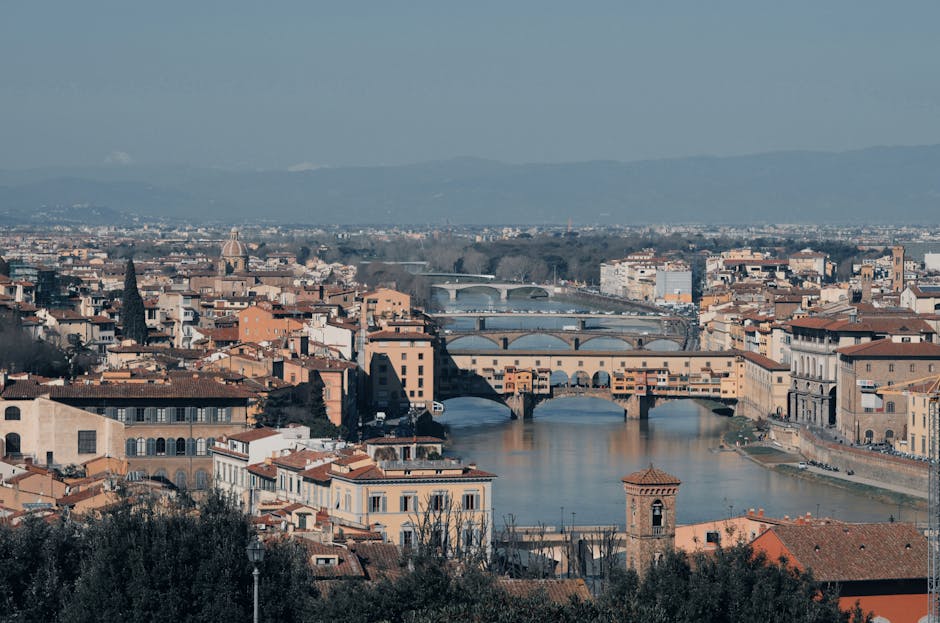
Ponte Vecchio: This iconic bridge is lined with shops selling jewelry and art. It’s a perfect spot for a leisurely stroll and some great photo opportunities.
Accademia Gallery: Don’t miss the chance to see Michelangelo’s David, a masterpiece of Renaissance sculpture. The gallery also features other notable works by the artist.
Boboli Gardens: Located behind the Pitti Palace, these expansive gardens are a peaceful retreat from the bustling city. Enjoy walking paths, fountains, and stunning views of Florence.
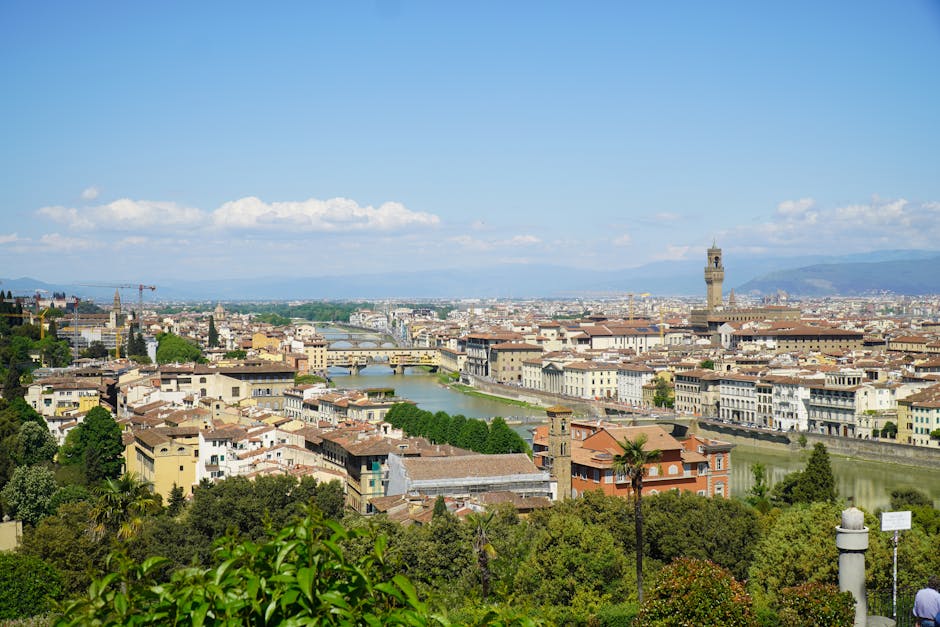
San Miniato al Monte: For a more off-the-beaten-path experience, hike up to this hilltop basilica for panoramic views and a serene atmosphere. The church is known for its beautiful mosaics and peaceful grounds.
Mercato Centrale: Dive into local food culture at this bustling market. Sample fresh produce, cheeses, and meats, and be sure to try a traditional Florentine sandwich.
Street Art Tour: Explore the vibrant street art scene in the Oltrarno neighborhood. Local artists have transformed the area with colorful murals, making it a unique cultural experience.
Piazzale Michelangelo: This lookout point offers one of the best views of Florence, especially at sunset. It’s a bit of a trek, but the scenery is worth it.
Cooking Class: Engage with the local culture by taking a cooking class. Learn how to make traditional Tuscan dishes using fresh ingredients, and enjoy a delicious meal afterward.
Food and Dining Guide#
Florence is a culinary delight, with a rich tradition of Tuscan cuisine. Here are some local highlights and must-try dishes:
Bistecca alla Fiorentina: This iconic Florentine steak is a must-try for meat lovers. Typically made from Chianina beef, it’s grilled to perfection and served rare.
Pici Cacio e Pepe: A simple yet delicious dish made with handmade pasta, cheese, and pepper. It’s a staple in Tuscan cuisine and a favorite among locals.
Ribollita: This hearty vegetable and bread soup is perfect for a chilly day. Made with seasonal vegetables and beans, it reflects the region’s rustic cooking style.
Lampredotto: A popular street food, this sandwich features slow-cooked tripe served with green sauce. It’s a unique taste of Florentine culture.
Gelato: No trip to Florence is complete without indulging in gelato. Look for artisanal gelaterias that use high-quality ingredients for an authentic treat.
For dining, consider both street food and sit-down restaurants. Street food stalls around the Mercato Centrale offer great options for a quick bite, while local trattorias provide a cozy atmosphere to enjoy a leisurely meal.
Getting Around Florence#
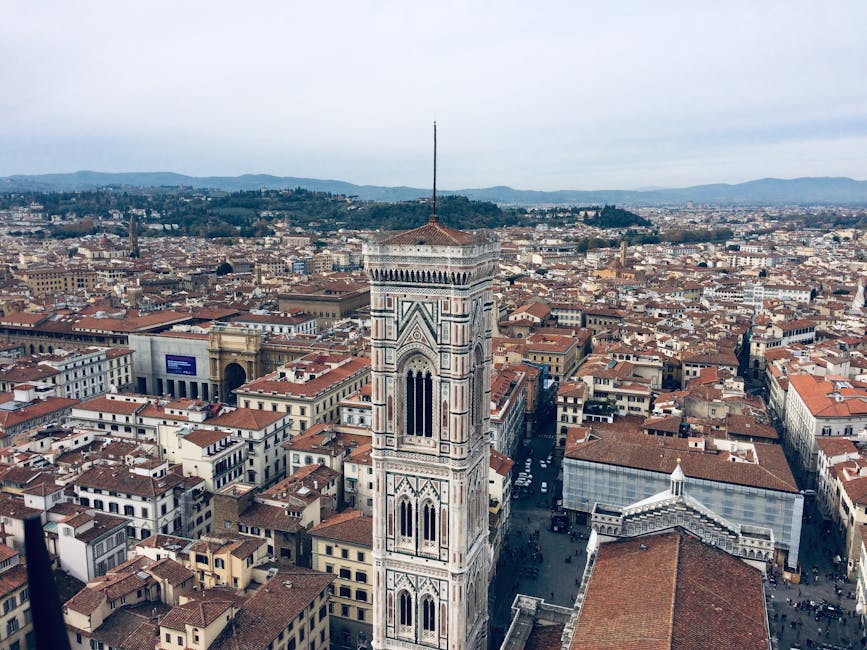
Florence is a compact city, making it easy to explore on foot. Most major attractions are within walking distance of each other, so comfortable shoes are a must.
Public Transit: The city has a reliable bus system that can help you reach areas that are farther away. Purchase a ticket at a local tabacchi (tobacco shop) before boarding.
Taxis: Taxis are available, but they can be expensive compared to other forms of transport. If you do need a ride, be sure to book through a reputable service.
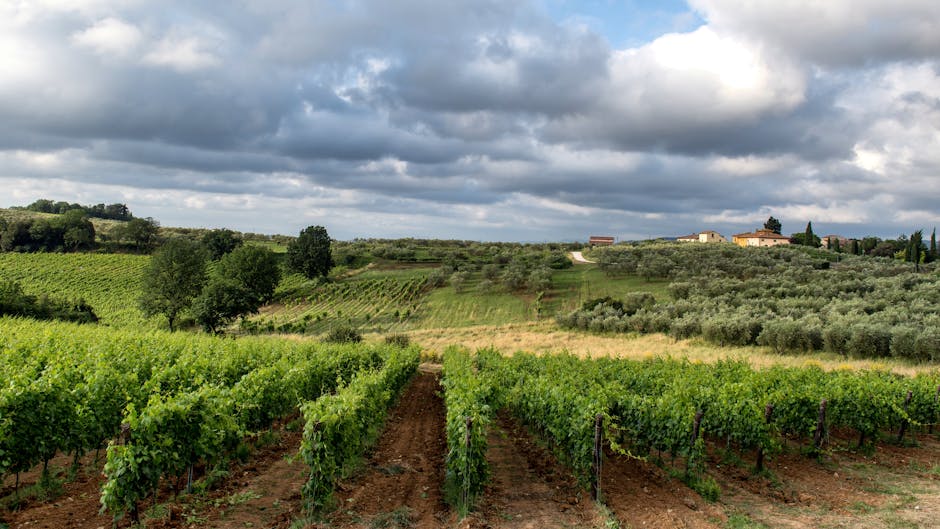
Rental Cars: Generally, renting a car isn’t necessary for Florence itself, as parking can be limited and expensive. However, if you plan to explore the Tuscan countryside, a car can be helpful.
Budget Breakdown#
Understanding the cost of your trip can help you plan better. Here’s a daily budget estimate for different types of travelers:
Budget Travelers: Expect to spend around $60-100 per day. This includes accommodation in hostels or budget hotels ($30-50), inexpensive meals ($10-20), public transport ($5-10), and entry fees to attractions ($15-20).
Mid-Range Travelers: A budget of $150-250 per day is reasonable. This covers accommodation in mid-range hotels ($80-150), meals at local restaurants ($30-50), occasional taxi rides ($10-20), and attraction fees ($20-30).
Luxury Travelers: For a more upscale experience, budget around $300-500 per day. This includes luxury accommodations ($200-400), fine dining experiences ($50-100), private transport or guided tours ($50-100), and premium attraction access ($30-50).
Travel Tips for Florence#
Safety: Florence is generally safe, but be aware of pickpockets, especially in crowded areas. Keep your belongings secure and be cautious in busy tourist spots.
Tipping: Tipping is appreciated but not mandatory. Rounding up your bill or leaving small change is customary in restaurants.
Language: While many Florentines speak English, learning a few basic Italian phrases can enhance your experience and is appreciated by locals.
SIM Cards: If you need mobile data, consider purchasing a local SIM card. Many shops sell them, and they can be a cost-effective way to stay connected.
Scams: Be cautious of overly friendly strangers offering unsolicited help or deals that seem too good to be true. Trust your instincts and be wary of common scams.
Local Events: Check the local calendar for festivals and events. Participating in local celebrations can provide a deeper understanding of Florentine culture.
Museum Reservations: To avoid long lines, consider booking museum tickets in advance. This is especially important for popular attractions like the Uffizi and Accademia Galleries.
Florence is a city that invites exploration and connection. With its rich history, vibrant neighborhoods, and delicious cuisine, you’ll find plenty of opportunities to experience it like a local. If you’re also considering a trip to Bruges, Belgium or Nice, France , check out our guide for those destinations as well. Enjoy your Florentine adventure!