📌 Disclaimer
Prices, schedules, tour details, flight routes, visa requirements, and all other information on this page are based on data at the time of writing. Fares, availability, and policies may change. Please verify current details on the official website before booking.
Photo by Dmitry Romanoff on Pexels
Why Visit Kyoto ?#
Kyoto is often hailed as the cultural heart of Japan , a city that beautifully marries the past with the present. With its stunning temples, traditional tea houses, and picturesque gardens, Kyoto offers a glimpse into Japan’s rich history and culture. Unlike the bustling metropolis of Tokyo, Kyoto provides a more tranquil atmosphere, allowing visitors to immerse themselves in serene surroundings while exploring ancient architecture and engaging in age-old customs.
One of the most compelling reasons to visit Kyoto is its incredible preservation of traditional Japanese culture. The city is home to 17 UNESCO World Heritage Sites, including the iconic Kinkaku-ji (Golden Pavilion) and the historic district of Gion, famous for its geisha culture. Strolling through the narrow streets lined with wooden machiya houses, you may find yourself transported back in time. For American travelers seeking a unique cultural experience, Kyoto is a destination that promises to leave a lasting impression.
Best Time to Visit Kyoto#
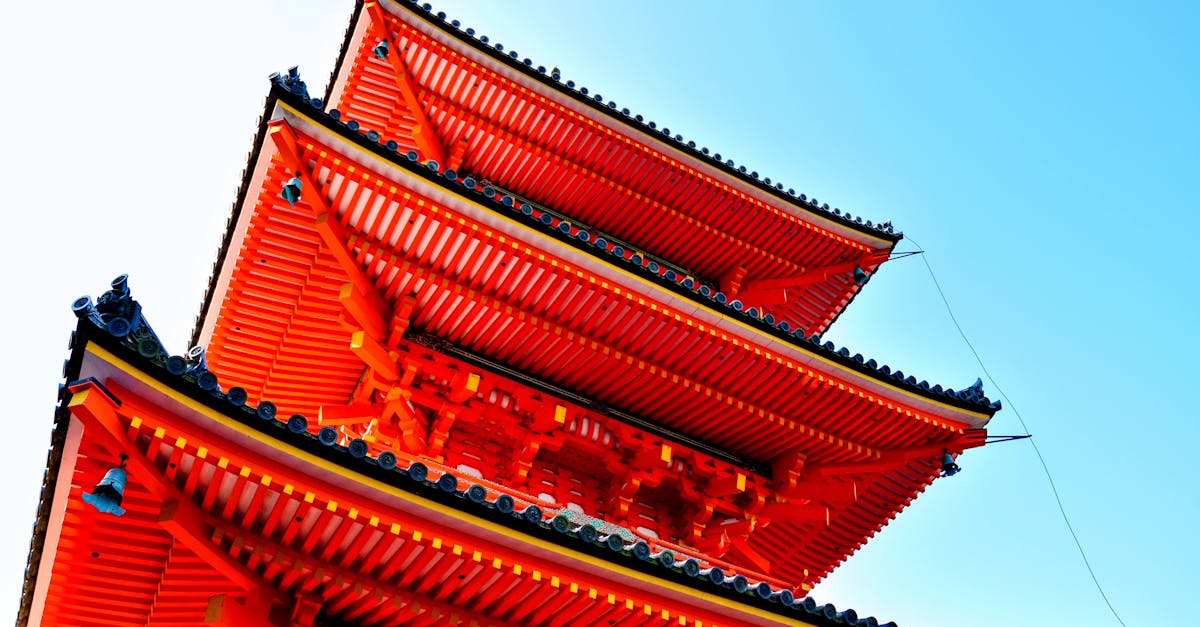
Kyoto experiences four distinct seasons, each offering a unique charm. The ideal time to visit largely depends on your preferences for weather and crowd levels.
Spring (March to May): Spring is arguably the most popular time to visit Kyoto, thanks to the cherry blossoms that bloom in late March to early April. The weather is mild, with temperatures ranging from 50°F to 70°F. However, expect large crowds during cherry blossom season, especially in famous viewing spots like Maruyama Park.
Summer (June to August): Summer in Kyoto can be hot and humid, with temperatures often exceeding 85°F. This season also brings the rainy season in June, which may deter some travelers. However, if you can handle the heat, summer festivals such as the Gion Matsuri in July are spectacular and worth experiencing.
Fall (September to November): Fall is another peak season for visitors, as the foliage transforms into brilliant shades of red and orange. Late October to early November is particularly beautiful, with temperatures ranging from 50°F to 70°F. Crowds begin to thin out as the month progresses, making it a great time for more peaceful explorations.
Winter (December to February): Winter in Kyoto is cold but magical, with occasional snowfall that blankets the temples and gardens in white. Temperatures can drop to around 30°F, but the city is less crowded, allowing for a more intimate experience. If you’re a fan of winter scenery, visiting in January can offer stunning sights, especially at places like Kinkaku-ji.
Where to Stay in Kyoto#
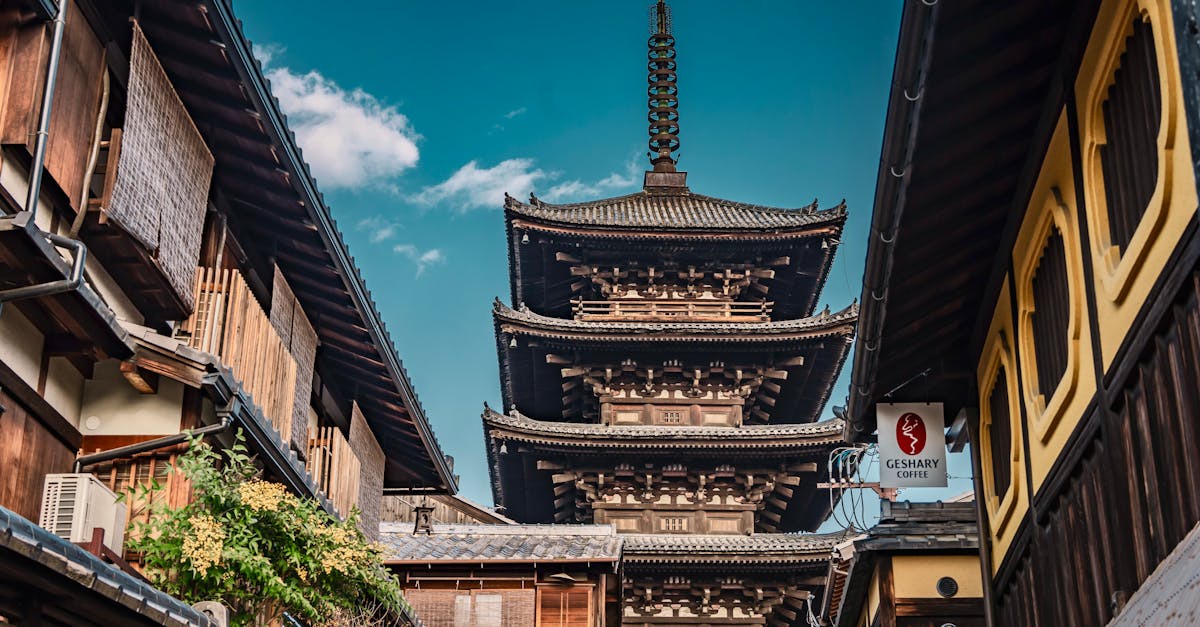
Choosing the right neighborhood can enhance your Kyoto experience. Here are some recommendations across different budget tiers:
Budget: The areas around Kyoto Station and Gion offer affordable hostels and guesthouses, making it easy to explore the city. Staying near the station is convenient for transportation, while Gion provides a unique atmosphere with traditional architecture.
Mid-Range: The Sanjo and Kawaramachi areas are great for mid-range accommodations. These neighborhoods boast a mix of modern hotels and traditional ryokans, along with easy access to shopping, dining, and public transport.
Luxury: For a more upscale experience, consider the Higashiyama district, known for its beautiful temples and historic charm. Here, you can find luxury hotels that offer stunning views and exceptional service, all within walking distance of some of the city’s top attractions.
Hidden Gems: If you’re looking for something unique, consider staying in a machiya, a traditional wooden townhouse. These accommodations provide a glimpse into Kyoto’s architectural heritage and often come with modern amenities.
Top Things to Do in Kyoto#
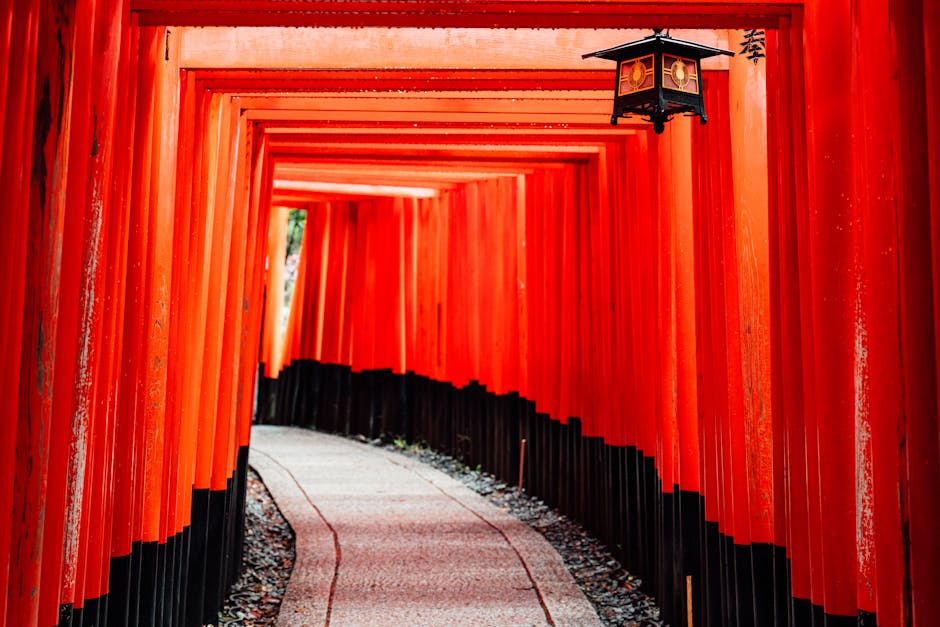
Kinkaku-ji (Golden Pavilion): This stunning Zen temple is famous for its gold-leaf exterior and beautiful gardens. The reflection of the pavilion in the surrounding pond creates a picturesque scene.
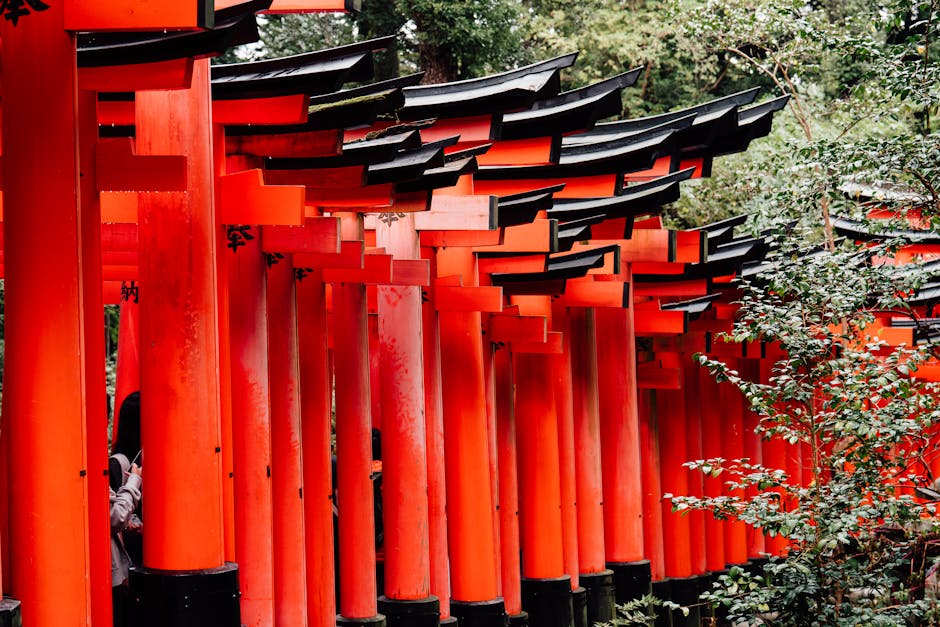
Fushimi Inari Taisha: Known for its thousands of vermilion torii gates, this shrine dedicated to the Shinto god of rice offers a scenic hike up Mount Inari, with breathtaking views along the way.
Arashiyama Bamboo Grove: Walking through this enchanting bamboo forest feels like stepping into another world. The towering stalks sway gently in the breeze, creating a serene atmosphere.
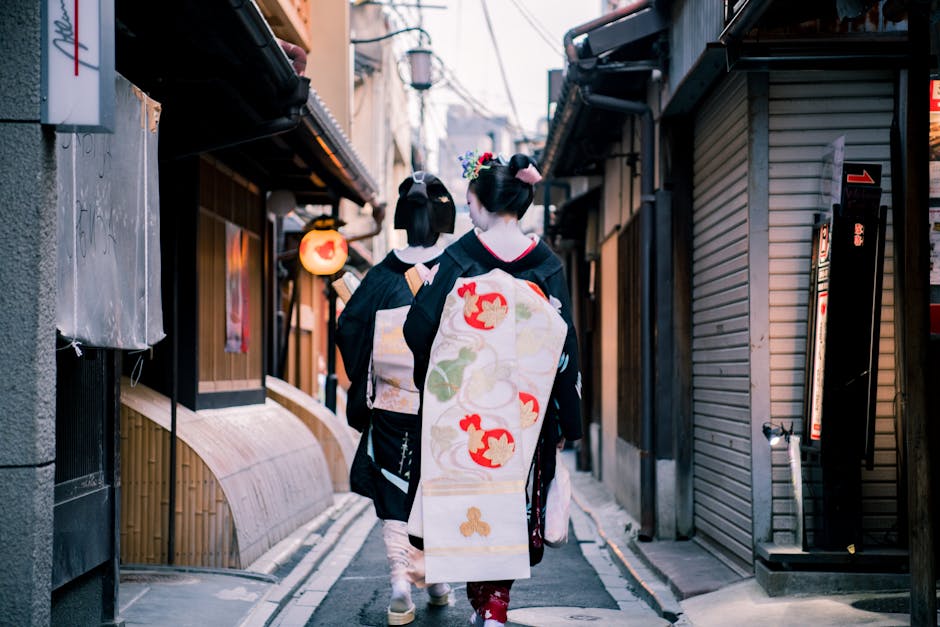
Gion District: Experience the charm of Kyoto’s geisha culture in this historic district. Stroll the streets lined with traditional wooden machiya houses and keep an eye out for geiko (geisha) and maiko (apprentice geisha).
Nijo Castle: A UNESCO World Heritage Site, this castle showcases beautiful gardens and impressive architecture, including the famous “nightingale floors” that chirp when walked upon.
Kiyomizu-dera Temple: Perched on a hillside, this temple offers stunning views of the city and is particularly breathtaking during cherry blossom and autumn foliage seasons. Don’t forget to drink from the Otowa Waterfall for good luck!
Philosopher’s Path: This picturesque canal-side walkway is lined with cherry trees and is perfect for a leisurely stroll. Along the way, you can explore small temples and cafes.
Nanzen-ji Temple: A large and important Zen temple, Nanzen-ji features beautiful gardens and impressive architecture. It’s a peaceful spot to escape the crowds.
Tea Ceremony Experience: Engage in a traditional Japanese tea ceremony, where you can learn about the art of tea preparation and enjoy matcha in a serene setting.
Kyoto Tower: For panoramic views of the city, head to Kyoto Tower. This modern structure offers a great perspective of the historical landmarks below.
Food and Dining Guide#
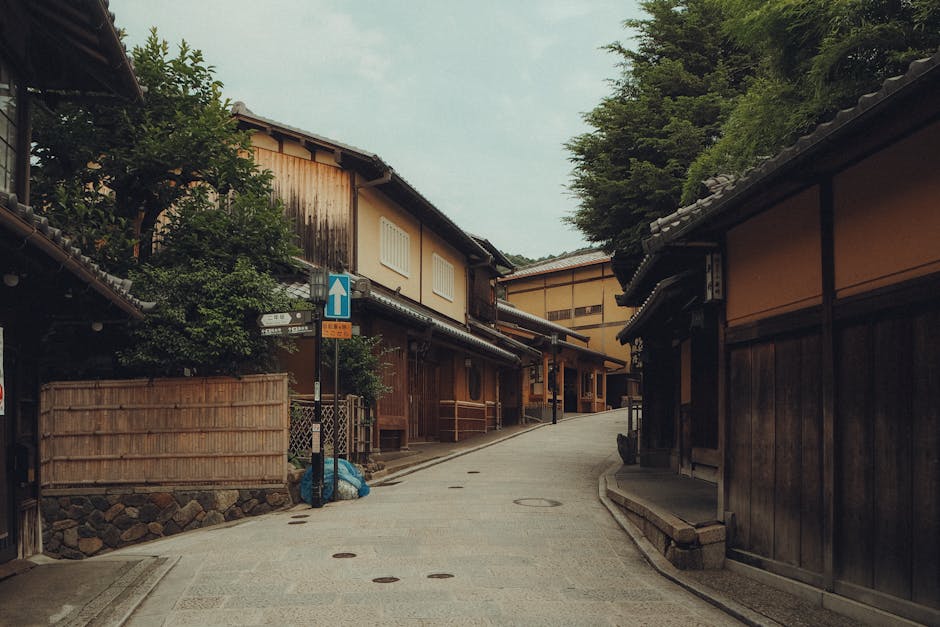
Kyoto’s culinary scene is a delightful mix of traditional and modern flavors. Here are some local cuisine highlights and must-try dishes:
Kaiseki: This multi-course dining experience is a must-try in Kyoto. It emphasizes seasonal ingredients and beautifully presented dishes, making it a feast for both the eyes and the palate.
Yudofu: A simple yet delicious dish made from tofu simmered in a light broth. Often served in Buddhist temples, it’s a comforting option for vegetarians.
Nishiki Market: This vibrant market is a food lover’s paradise. Explore stalls selling everything from pickled vegetables to fresh seafood and sample local delicacies.
Matcha Sweets: Kyoto is famous for its matcha (green tea) desserts, including matcha ice cream and mochi. Don’t miss the chance to indulge in these sweet treats.
Street Food: Try local favorites like yakitori (grilled chicken skewers), taiyaki (fish-shaped cakes filled with sweet red bean paste), and yuba (tofu skin) from street vendors around the city.
Getting Around Kyoto#
Kyoto’s public transportation system is efficient and user-friendly, making it easy to explore the city.
Public Transit: The city has an extensive bus and subway network. The Kyoto City Bus is particularly useful for reaching major attractions. Consider purchasing a one-day bus pass for unlimited rides.
Bicycles: Renting a bicycle is a popular way to explore Kyoto, especially around the Philosopher’s Path and Arashiyama. Many rental shops offer affordable rates.
Walking: Many of Kyoto’s attractions are within walking distance of each other, especially in areas like Gion and Higashiyama. Walking allows you to soak in the city’s beauty at a leisurely pace.
Taxis: Taxis are readily available but can be more expensive than public transport. They are a good option if you’re traveling late at night or to more remote locations.
Rental Cars: While renting a car is an option, parking can be difficult in the city center, and public transport is often more convenient for tourists.
Budget Breakdown#
Understanding the potential costs of your trip to Kyoto can help you plan your budget effectively. Here’s a rough estimate of daily expenses based on different travel styles:
Budget Travelers: Expect to spend around $50-70 per day. This includes staying in hostels or guesthouses ($30-50), eating at inexpensive restaurants or street food stalls ($10-20), and using public transport ($5-10).
Mid-Range Travelers: A budget of $150-250 per day is reasonable. This covers staying in mid-range hotels ($80-150), dining at local restaurants ($30-50), and engaging in activities and attractions ($20-40).
Luxury Travelers: For those seeking a more extravagant experience, plan for $300 and up per day. This includes luxury accommodations ($150 and up), fine dining experiences ($80-150), and private tours or activities ($50+).
Travel Tips for Kyoto#
Safety: Kyoto is one of the safest cities in Japan, with low crime rates. However, always stay aware of your surroundings and keep your belongings secure.
Tipping: Tipping is not customary in Japan and can even be considered rude. Instead, show appreciation by saying thank you or leaving a small gift.
Language: While many signs are in English, learning a few basic Japanese phrases can enhance your experience. Simple greetings and expressions of gratitude go a long way.
SIM Cards: Consider purchasing a prepaid SIM card or pocket Wi-Fi for your phone to stay connected during your travels. This can be done at the airport or in convenience stores.
Scams to Avoid: While scams are rare, be wary of overly friendly strangers offering unsolicited assistance or invitations to establishments that charge exorbitant fees.
Cash is King: While credit cards are accepted in many places, cash is still the preferred method of payment in Japan. Make sure to have yen on hand for smaller purchases.
Cultural Etiquette: Familiarize yourself with local customs, such as removing shoes before entering homes or certain establishments. Respect for tradition is highly valued in Kyoto.
If you’re also considering a trip to Kuala Lumpur, Malaysia or Ho Chi Minh City, Vietnam , check out our guides for more travel tips and destination highlights.
In conclusion, Kyoto is undoubtedly worth visiting. With its rich history, stunning scenery, and delicious cuisine, it offers a unique experience that appeals to travelers of all kinds. Whether you’re wandering through ancient temples, savoring traditional dishes, or simply soaking in the serene atmosphere, Kyoto promises to be a memorable stop on your journey through Japan.