📌 Disclaimer
Prices, schedules, tour details, flight routes, visa requirements, and all other information on this page are based on data at the time of writing. Fares, availability, and policies may change. Please verify current details on the official website before booking.
Photo by AshVdos BD on Pexels
Why Visit London ?#
London is a vibrant metropolis that seamlessly blends rich history with modern innovation. As the capital of the United Kingdom , it serves as a cultural hub with world-class museums, iconic landmarks, and a diverse culinary scene. Whether you’re drawn to the majestic architecture of Buckingham Palace, the historical significance of the Tower of London, or the lively atmosphere of Camden Market, there’s something for everyone in this bustling city.
Beyond the famous sights, London is also a city of neighborhoods, each with its unique character and charm. From the artistic enclaves of Shoreditch to the regal streets of Kensington, exploring the different areas of London reveals a tapestry of experiences that cater to every traveler. With its extensive public transport system, getting around is easy, making it a perfect destination for first-time visitors and seasoned travelers alike.
Best Time to Visit London#
When planning your trip to London, timing can greatly influence your experience. The city has a temperate maritime climate, characterized by mild temperatures and frequent rainfall.
Spring (March to May): This is considered one of the best times to visit. The weather begins to warm up, with average temperatures ranging from 45°F to 65°F. Crowds are moderate, especially in March and early April. By late April and May, tourists start to flock in, particularly during school holidays.
Summer (June to August): London comes alive in summer, with temperatures ranging from 55°F to 75°F. However, this is also peak tourist season, leading to larger crowds and higher prices for accommodations and attractions. If you enjoy vibrant street festivals and outdoor activities, this is the time to be in the city.
Fall (September to November): Early fall offers pleasant weather, with temperatures similar to spring. September is still busy, but by October, the crowds thin out, and hotel prices drop. The city’s parks are stunning during autumn, with colorful foliage.
Winter (December to February): Winters in London can be chilly, with temperatures averaging between 35°F and 50°F. However, the holiday season transforms the city into a winter wonderland, complete with festive lights and markets. January and February are typically the cheapest months to visit, with fewer tourists and lower accommodation rates.
Where to Stay in London#
Finding the right neighborhood to stay in London can enhance your experience significantly. Here are a few recommendations across different budget tiers:
Budget: Consider areas like Camden or Hackney. These neighborhoods are known for their lively atmosphere and offer affordable hostels and guesthouses. You’ll find a mix of local cafes and markets, creating a unique London experience without breaking the bank.
Mid-Range: Look at neighborhoods such as South Kensington or Notting Hill. Both offer a charming atmosphere with beautiful streets and access to attractions like the Natural History Museum and Porto bello Market. Mid-range hotels and boutique accommodations can be found here, providing comfort without excessive costs.
Luxury: For a more upscale experience, the areas of Mayfair or Covent Garden are perfect. These neighborhoods boast high-end hotels, fine dining, and proximity to renowned attractions like the British Museum and the West End theaters. Expect a more sophisticated vibe and exceptional service.
Top Things to Do in London#
The British Museum: Home to a vast collection of world art and artifacts, this museum is a must-visit for history buffs. Admission is free, making it accessible for everyone.
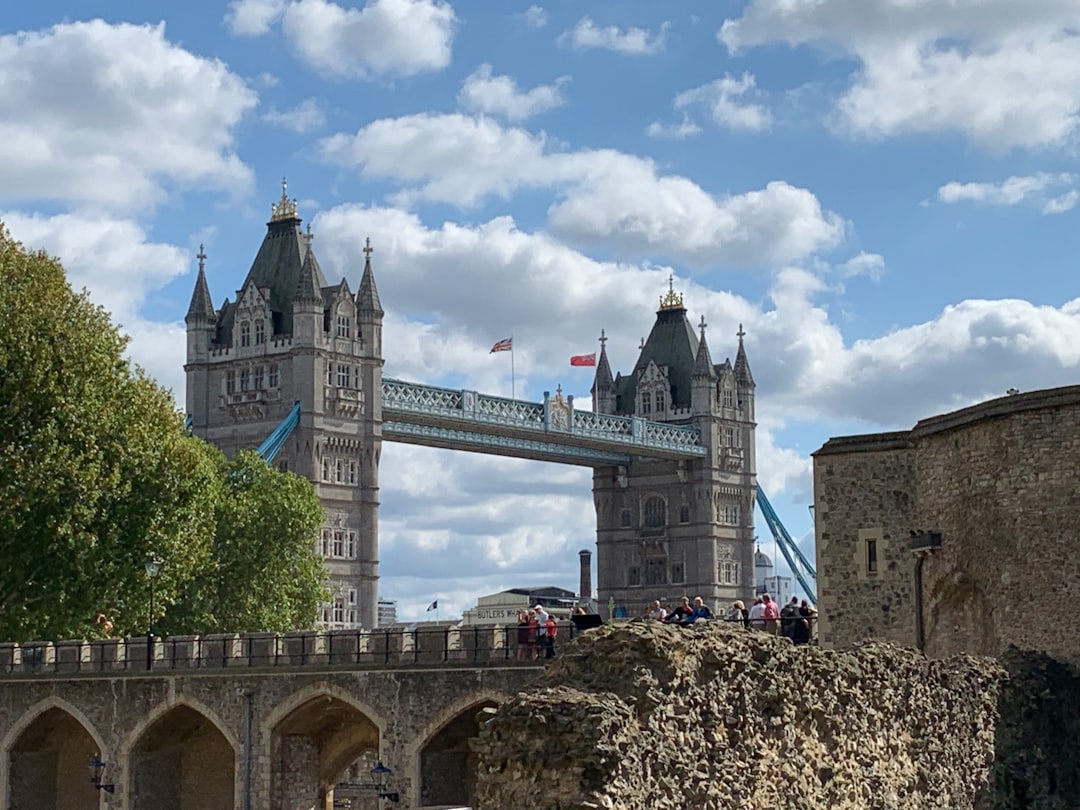
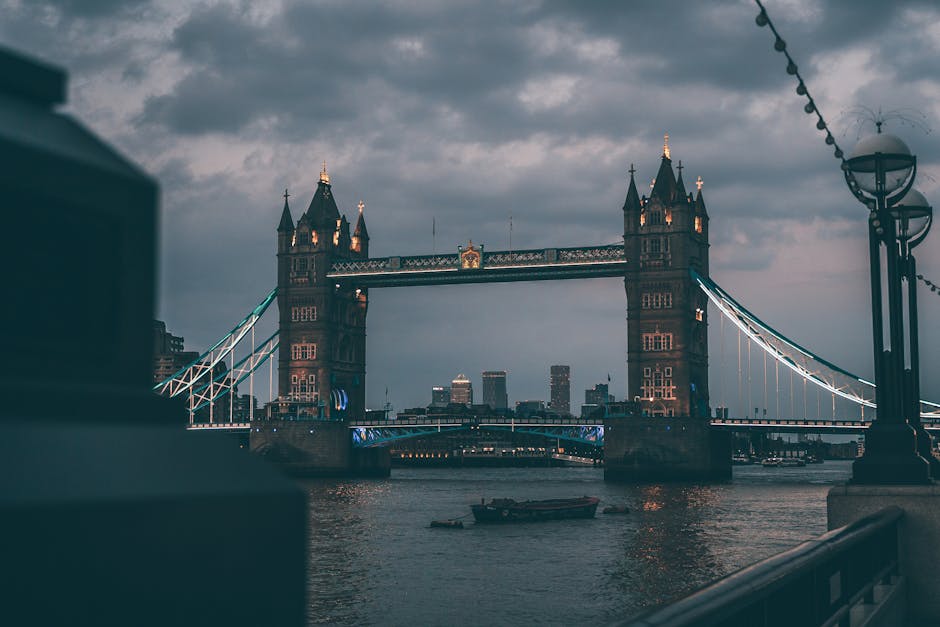
The Tower of London: Dive into the rich history of this fortress, which has served as a royal palace, prison, and treasury. Don’t miss the Crown Jewels!
Buckingham Palace: Witness the Changing of the Guard ceremony outside this iconic royal residence. It’s a quintessential London experience.
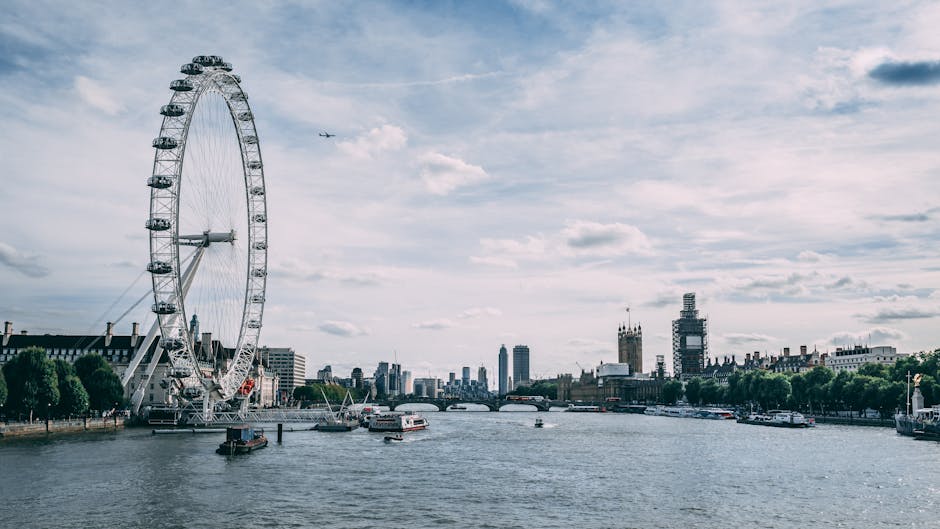
The London Eye: For breathtaking views of the city, take a ride on this giant observation wheel. It’s particularly stunning at sunset.
Camden Market: Explore this eclectic market known for its food stalls, vintage shops, and alternative fashion. It’s a great spot for lunch and unique souvenirs.
Shakespeare’s Globe: Immerse yourself in the world of Shakespeare by catching a play at this authentic recreation of the original Globe Theatre.
Hyde Park: Take a leisurely stroll or rent a paddleboat on the Serpentine. This expansive park offers a peaceful retreat from the city’s hustle and bustle.
Borough Market: A foodie’s paradise, this market is perfect for sampling local produce and international dishes. It’s a great spot to grab lunch.
The Tate Modern: This contemporary art museum housed in a former power station features works from the likes of Picasso and Warhol. Admission to the main galleries is free.
Notting Hill: Explore this charming neighborhood, famous for its colorful houses and the annual Notting Hill Carnival. It’s also home to the Portobello Road Market.
If you’re also considering a trip to Bruges, Belgium or Copenhagen, Denmark , make sure to check out our guides for those destinations.
Food and Dining Guide#
London’s culinary scene is as diverse as its population, offering everything from traditional British fare to international cuisines.
Must-Try Dishes:
- Fish and Chips: A classic British dish, it’s best enjoyed at a local pub. Look for places that serve it with mushy peas and tartar sauce.
- Full English Breakfast: Start your day with a hearty breakfast that typically includes eggs, bacon, sausages, baked beans, and toast.
- Sunday Roast: A traditional meal served on Sundays, featuring roasted meat, potatoes, and vegetables, with Yorkshire pudding and gravy.
- Pies: Whether it’s a meat pie or a sweet dessert pie, these are staples in British cuisine. Try one from a local bakery for an authentic experience.
- Street Food: Head to markets like Borough or Camden for a variety of street food options, ranging from gourmet burgers to international street eats.
If you prefer dining in restaurants, London has a vibrant scene featuring everything from Michelin-starred establishments to cozy bistros. Reservations are recommended for popular spots.
Getting Around London#
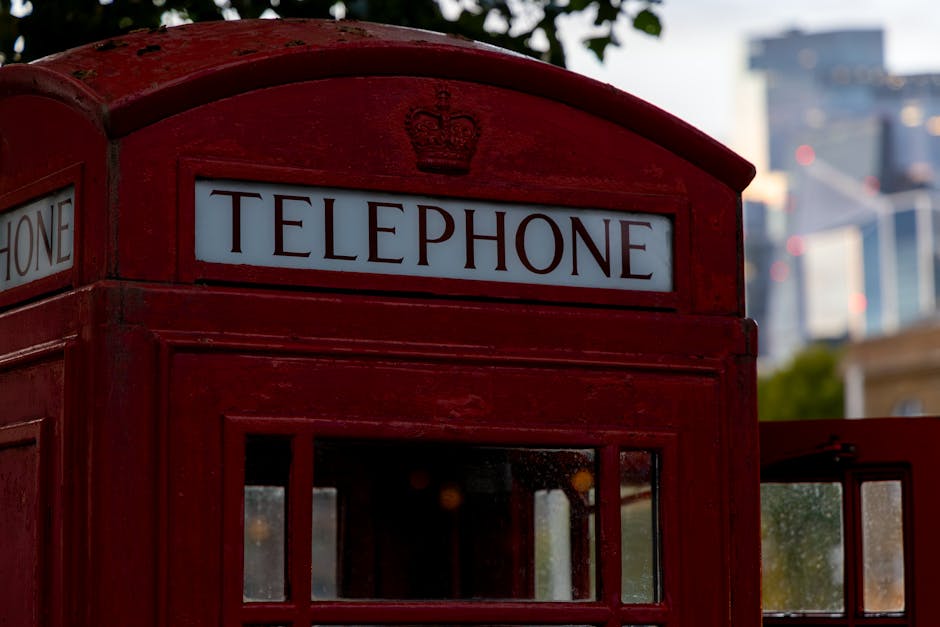
Navigating London is straightforward, thanks to its extensive public transport system.
Public Transit: The London Underground, or “Tube,” is the quickest way to get around. It’s efficient and covers most areas of the city. Consider purchasing an Oyster card or using contactless payment for easier travel. Buses are also a great option and offer a scenic way to see the city.
Taxis: Black cabs are iconic in London and can be hailed on the street or booked via an app. They’re more expensive than public transport but convenient for late-night travel.
Walking: Many of London’s attractions are within walking distance of each other, especially in central areas. Walking allows you to soak in the city’s atmosphere and discover hidden gems.
Rental Cars: While renting a car is an option, it’s generally not recommended due to heavy traffic and expensive parking. The public transport system is more efficient for most travelers.
Budget Breakdown#
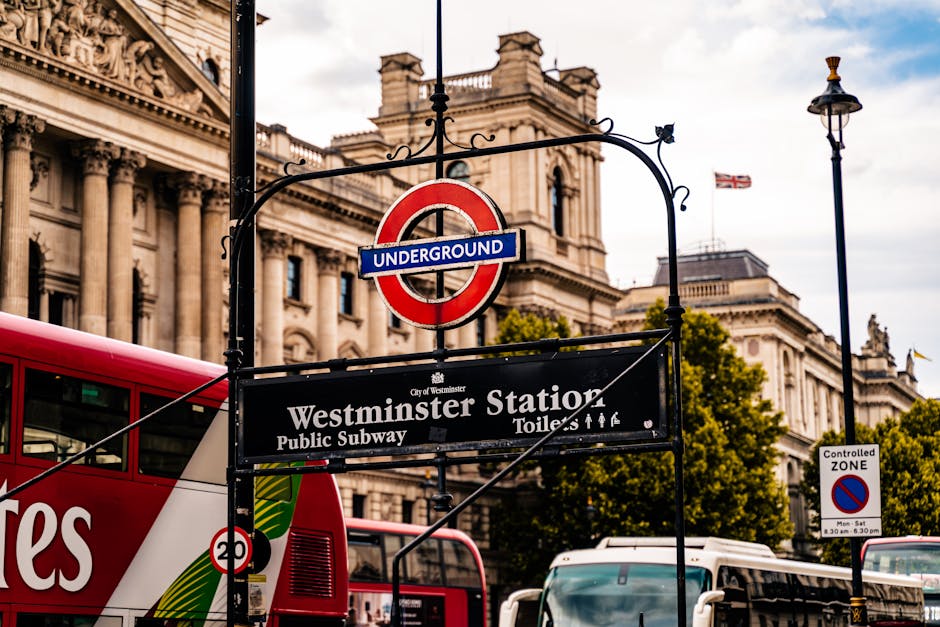
Understanding the cost of visiting London can help you plan your trip effectively. Here’s a rough daily budget estimate based on different travel styles:
Budget Travelers: Expect to spend around $75-$150 per day. This includes hostel accommodation ($30-50), meals from budget eateries or street food ($20-30), and public transport ($10-15). Free attractions like parks and museums can fill your itinerary.
Mid-Range Travelers: A budget of $150-$300 per day is realistic. Accommodations in mid-range hotels can range from $100-200, meals at casual restaurants or cafes might cost around $50, and transportation will be approximately $15-20. Entrance fees for attractions will add to your daily costs.
Luxury Travelers: For those seeking a more upscale experience, budget around $300 or more per day. Luxury accommodations typically start at $200-500, fine dining can range from $75-150, and private transport options will significantly increase your spending.
Travel Tips for London#
Safety: London is generally safe, but like any major city, be aware of your surroundings and keep an eye on your belongings, especially in crowded areas.
Tipping: It’s customary to leave a 10-15% tip in restaurants if service is not included. Tipping taxi drivers is also appreciated, typically rounding up the fare.
Language: While English is the primary language, you’ll encounter various accents and dialects. Don’t hesitate to ask for clarification if you have trouble understanding.
SIM Cards: Consider purchasing a local SIM card for your phone to avoid international roaming charges. Many shops sell prepaid options.
Scams to Avoid: Be cautious of individuals asking for money or trying to distract you in crowded areas. Keep your valuables secure and be wary of overly friendly strangers.
Weather Preparedness: London weather can be unpredictable. Always carry an umbrella and wear layers, as temperatures can change throughout the day.
Cultural Etiquette: Stand on the right side of escalators to allow others to pass on the left. It’s a common courtesy that locals appreciate.
With this guide in hand, you’re well-equipped for your adventure in London. Whether you’re exploring historic sites or indulging in delicious cuisine, the city promises an unforgettable experience. If your travels take you further afield, consider visiting Dubrovnik, Croatia for another unique adventure!