📌 Disclaimer
Prices, schedules, tour details, flight routes, visa requirements, and all other information on this page are based on data at the time of writing. Fares, availability, and policies may change. Please verify current details on the official website before booking.
Photo by Paolo Bici on Pexels
Why Visit Rome ?#
Rome, the Eternal City, is a mesmerizing blend of history, art, and culture that draws millions of visitors each year. Its ancient ruins, vibrant street life, and rich culinary traditions create an atmosphere that feels both timeless and alive. Walking through the cobblestone streets, you can almost hear the whispers of emperors and artists who once walked the same paths. From the grandeur of the Colosseum to the serene beauty of the Vatican, every corner of Rome tells a story waiting to be discovered.
What truly makes Rome special is its ability to seamlessly merge the past with the present. You can enjoy a cappuccino at a bustling café while gazing at the Pantheon, or indulge in authentic Roman pizza in a trattoria that has been serving locals for generations. The city is also a hub of creativity, with contemporary art galleries and vibrant street art adding a modern twist to its historic backdrop. Whether you’re an art lover, history buff, or simply someone looking to savor the Italian lifestyle, Rome offers something for everyone.
Best Time to Visit Rome#
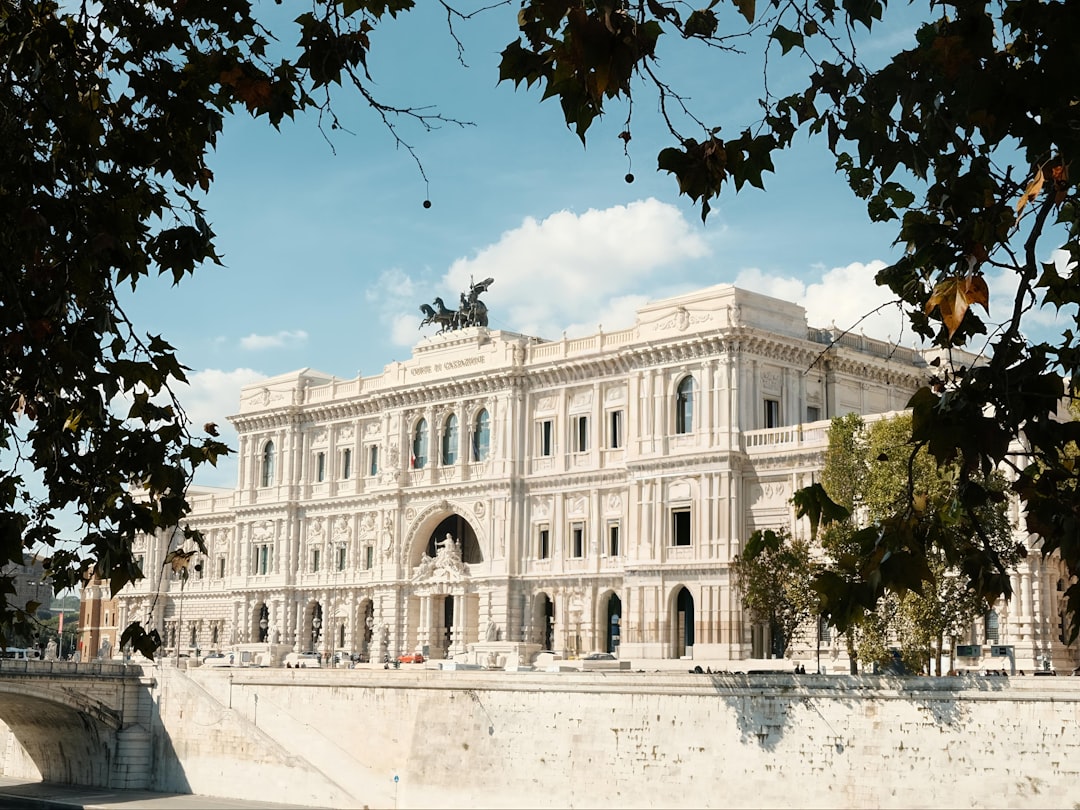
When planning your trip to Rome, timing can greatly enhance your experience. The city shines in spring (April to June) and fall (September to October), when the weather is pleasantly warm, averaging around 70°F (21°C) during the day. These months also see fewer crowds compared to the summer peak, allowing for a more enjoyable exploration of the city’s attractions.
Summer (July to August) brings sweltering heat, with temperatures often exceeding 90°F (32°C). While this is the high season for tourism, expect larger crowds and higher prices for accommodations. However, if you can handle the heat, you’ll find lively outdoor events and festivals. Winter (November to March) is the low season, with cooler temperatures averaging around 50°F (10°C). Although some attractions may have shorter hours, this is an excellent time to enjoy Rome’s rich history without the hustle and bustle of tourists.
Where to Stay in Rome#
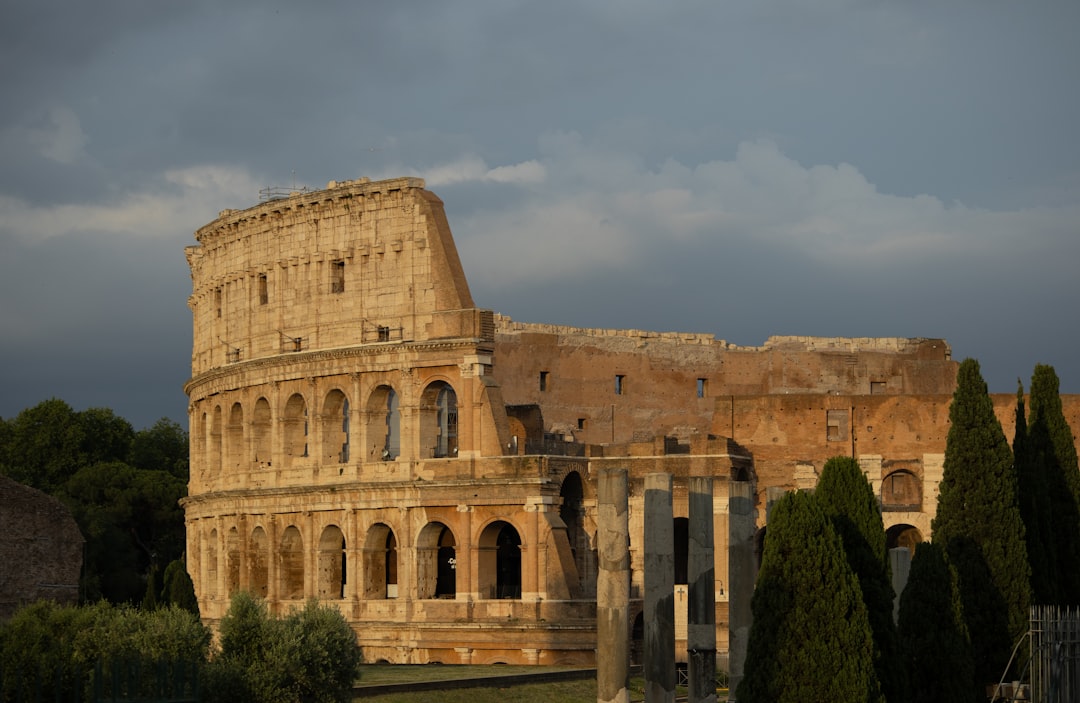
Choosing the right neighborhood can significantly enhance your Roman experience. Here are some recommendations across different budget tiers:
Budget: Trastevere#
Trastevere is a charming neighborhood filled with narrow streets, vibrant nightlife, and a bohemian vibe. Budget accommodations here typically start around $30-50 per night. You’ll find hostels and guesthouses that provide a cozy atmosphere, perfect for meeting fellow travelers.
Mid-Range: Monti#
For those looking for a mid-range option, Monti offers a great blend of local culture and accessibility. This area is known for its trendy boutiques, artisanal shops, and proximity to the Colosseum. Mid-range hotels usually fall within the $100-200 per night range, allowing you to enjoy comfortable amenities without breaking the bank.
Luxury: Vatican City#
If you’re seeking a luxurious stay, consider the Vatican City area. This neighborhood is not only home to the magnificent St. Peter’s Basilica but also offers high-end hotels with stunning views and top-notch service. Prices for luxury accommodations generally start at $300 per night and can go up significantly depending on the season.
Hidden Gem: Testaccio#
For a more local experience, Testaccio is an excellent choice. Known for its authentic Roman cuisine and vibrant food market, this neighborhood is less touristy yet still close to the city center. You can find budget and mid-range options here, making it a great base for exploring Rome’s culinary scene.
Top Things to Do in Rome#
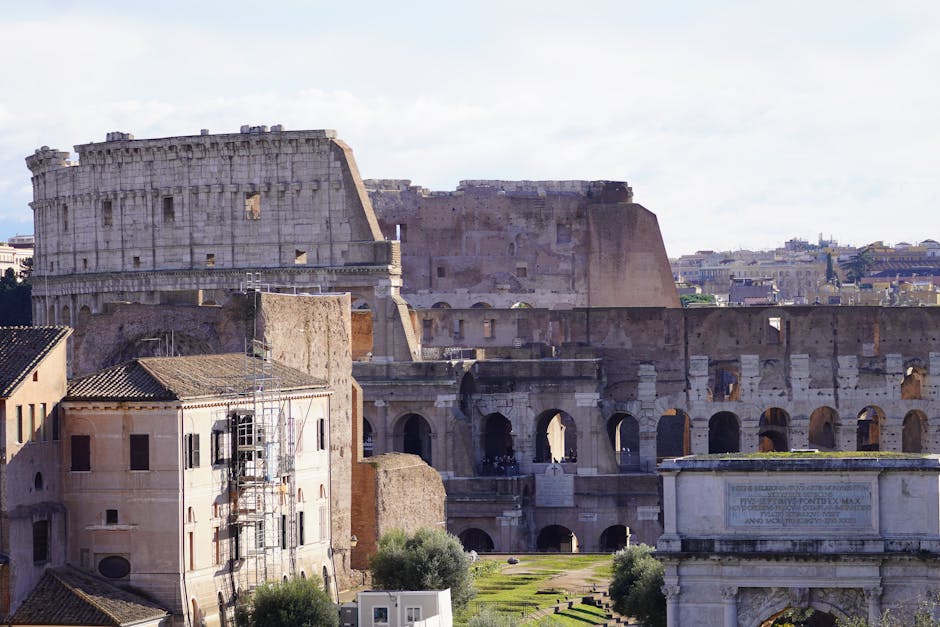
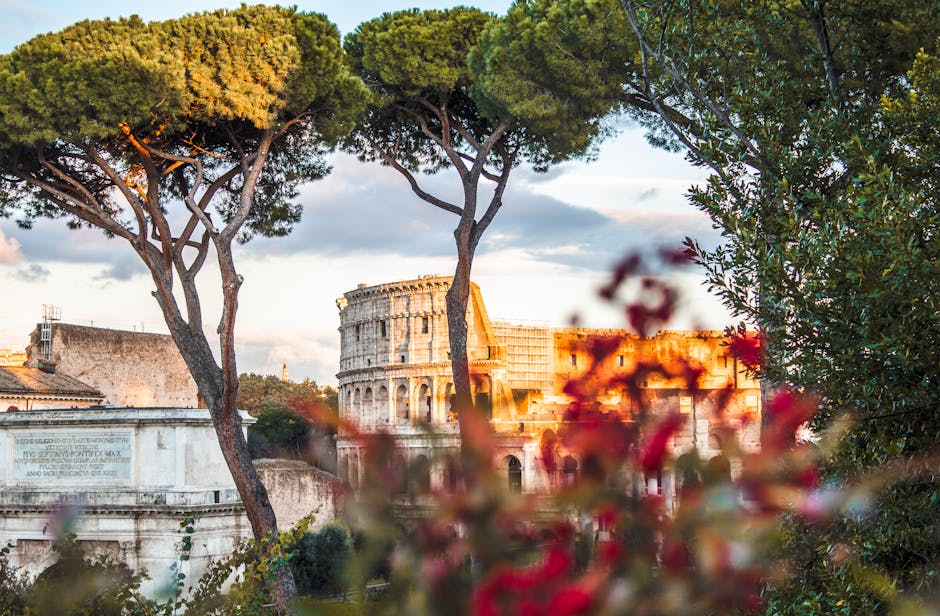
Colosseum: No trip to Rome is complete without visiting this iconic amphitheater. Explore its ancient corridors and imagine the gladiatorial battles that once took place here.
Vatican Museums: Home to an unparalleled collection of art and history, the Vatican Museums culminate in the breathtaking Sistine Chapel, featuring Michelangelo’s famous ceiling.
St. Peter’s Basilica: This Renaissance masterpiece is one of the largest churches in the world. Climb to the dome for panoramic views of the city.
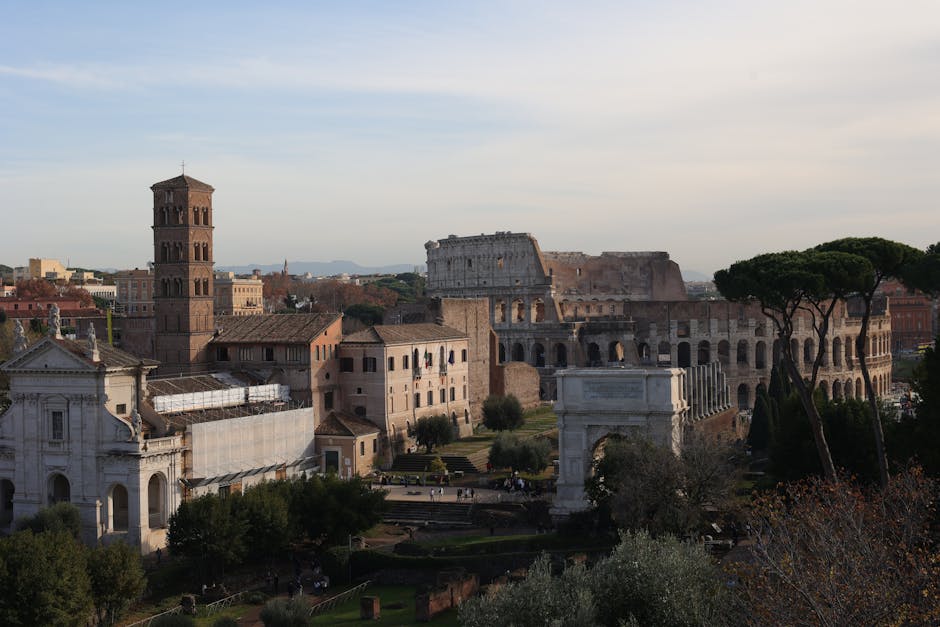
Roman Forum: Wander through the ruins of what was once the heart of ancient Rome. The Forum offers a fascinating glimpse into the political and social life of the Romans.
Piazza Navona: A lively square filled with street performers, artists, and outdoor cafés, Piazza Navona showcases beautiful fountains and baroque architecture.
Trevi Fountain: Toss a coin into this stunning fountain to ensure your return to Rome. The ornate sculptures and flowing water create a magical atmosphere, especially at night.
Galleria Borghese: Nestled in the beautiful Borghese Gardens, this gallery houses an impressive collection of sculptures and paintings, including works by Bernini and Caravaggio.
Trastevere: Spend an afternoon exploring this picturesque neighborhood. Its narrow streets, lively piazzas, and beautiful churches make it a perfect spot for leisurely strolls.
Campo de’ Fiori: Visit this bustling market during the day for fresh produce and local delicacies. In the evening, the square transforms into a vibrant social hub with bars and restaurants.
Appian Way: For a unique experience, rent a bike and explore this ancient road lined with historical ruins, tombs, and beautiful countryside scenery.
Food and Dining Guide#
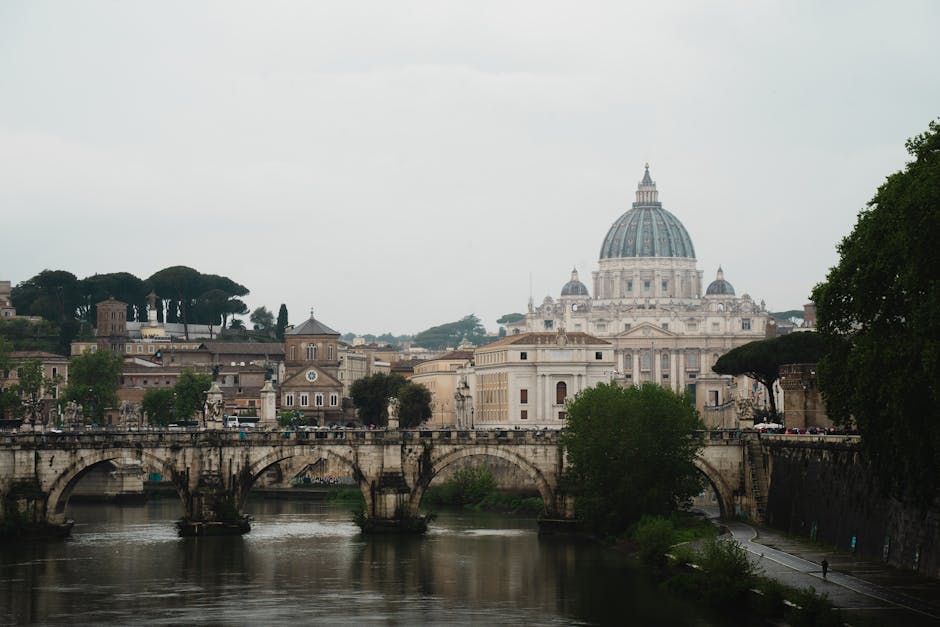
Rome is a paradise for food lovers, offering a rich culinary landscape that reflects its history and culture. Here are some local cuisine highlights and must-try dishes:
Must-Try Dishes#
Cacio e Pepe: This simple yet delicious pasta dish features just three ingredients: spaghetti, Pecorino Romano cheese, and black pepper. It’s a Roman classic that you can’t miss.
Carbonara: Another iconic Roman pasta, Carbonara is made with guanciale (cured pork cheek), eggs, Pecorino cheese, and black pepper. Each bite is a creamy delight.
Saltimbocca alla Romana: This traditional dish consists of veal wrapped in prosciutto and sage, cooked in white wine. It’s a true taste of Roman cuisine.
Supplì: These deep-fried rice balls filled with mozzarella are a popular street food snack. They’re crispy on the outside and gooey on the inside—perfect for a quick bite.
Pizza al Taglio: This Roman-style pizza is sold by the slice and comes in various toppings. Grab a slice from a local pizzeria and enjoy it while walking around the city.
Dining Experience#
For a true Roman dining experience, explore local trattorias and osterias. These family-run establishments often serve traditional dishes made from fresh, local ingredients. While street food is a great way to sample quick bites, don’t hesitate to sit down for a leisurely meal at a restaurant, where you can savor the flavors of Italy.
Getting Around Rome#
Navigating Rome can be an adventure in itself, but it’s manageable with a little planning. Here are some options:
Public Transit#
Rome has an extensive public transportation system, including buses, trams, and a metro system. The metro is the quickest way to reach major attractions, while buses and trams can take you to more remote areas. A single ticket typically lasts 100 minutes and allows transfers between metro and bus.
Taxis#
Taxis are readily available throughout the city, but they can be more expensive than public transit. Make sure to use official taxis, identifiable by their white color and taxi sign on top.
Walking#
Rome is a city best explored on foot. Many of the major attractions are within walking distance of each other, and wandering through the streets allows you to discover hidden gems off the beaten path.
Rental Car#
While renting a car offers flexibility, it’s generally not recommended due to the city’s traffic and limited parking. If you plan to explore the surrounding areas, consider renting a car for day trips but rely on public transport within the city.
Budget Breakdown#
Understanding the cost of your trip can help you plan your budget effectively. Here’s a rough daily budget estimate for different types of travelers:
Budget Travelers#
- Accommodation: $30-50
- Food: $15-30 (street food and casual dining)
- Transport: $5-10 (public transit)
- Activities: $10-20 (entry fees to attractions)
- Total: $70-110 per day
Mid-Range Travelers#
- Accommodation: $100-200
- Food: $30-60 (mid-range restaurants)
- Transport: $10-15 (public transit and occasional taxi)
- Activities: $20-50 (entry fees and guided tours)
- Total: $170-325 per day
Luxury Travelers#
- Accommodation: $300+
- Food: $60-150 (fine dining)
- Transport: $20-50 (taxis and private transfers)
- Activities: $50-100 (exclusive tours and experiences)
- Total: $430+ per day
Travel Tips for Rome#
Stay Hydrated: Rome can get hot, especially in summer. Carry a reusable water bottle and refill it at the many public fountains dotted around the city.
Learn Basic Italian: While many locals speak English, knowing a few Italian phrases can enhance your experience and show respect for the culture.
Watch for Pickpockets: Like many tourist-heavy cities, be mindful of your belongings, especially in crowded areas and on public transport.
Tipping: Tipping is appreciated but not mandatory. Leaving a few coins or rounding up the bill is customary in restaurants and cafés.
SIM Cards: Consider purchasing a local SIM card for your phone to avoid hefty roaming charges. Many shops sell them, and they can be easily activated.
Avoid Tourist Traps: Be wary of overly touristy restaurants and shops. Look for places where locals eat for a more authentic experience.
Plan for Popular Attractions: Book tickets in advance for major sights like the Colosseum and Vatican Museums to avoid long lines. Early morning visits can also help you beat the crowds.
With its rich history, vibrant culture, and delectable cuisine, Rome is a destination that captivates the heart of every traveler. Whether you’re wandering through ancient ruins, savoring a plate of pasta, or sipping an espresso at a bustling café, the Eternal City promises an unforgettable experience that will linger long after you leave. If you’re also considering a trip to Bruges, Belgium or Copenhagen, Denmark , check out our guides for more European adventures!