📌 Disclaimer
Prices, schedules, tour details, flight routes, visa requirements, and all other information on this page are based on data at the time of writing. Fares, availability, and policies may change. Please verify current details on the official website before booking.
Salamanca to Madrid: Your Options at a Glance#
When planning a trip from Salamanca to Madrid, you have two primary ground transport options: the train and the bus. Both modes offer distinct advantages depending on your budget and schedule. The train provides a faster connection, significantly reducing travel time compared to the road. The bus, on the other hand, offers a lower cost entry point for those looking to save money on their journey. There is no flight data available for this specific short-haul route, making air travel an impractical and likely non-existent option for this segment. Similarly, ferry services are not applicable to this inland route. Therefore, your decision will hinge on the trade-off between the speed of the rail network and the affordability of the coach service. Both options are well-established, with booking links available for advance purchase, ensuring that you can secure your seat with confidence.

Traveling by Train#
| Tour | Price | Discount | Book |
|---|---|---|---|
| Train | $2.93 | - | Book |
| Bus | $16.93 | - | Book |
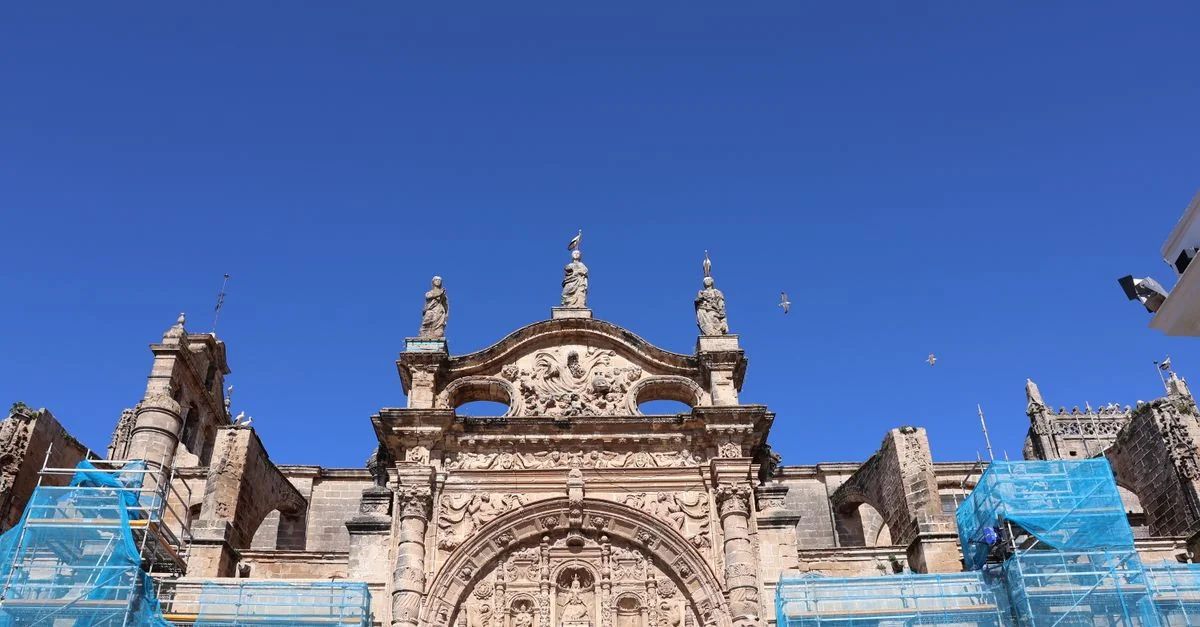
The train is the most efficient way to travel from Salamanca to Madrid. For many travelers, the rail connection is the preferred choice due to its speed and the comfort of the carriage. The journey takes 98 minutes, which is just over an hour and a half. This duration makes it ideal for day trips or for connecting to other parts of Spain without losing a significant portion of your day. The train stations in both cities are typically located in central areas, making it easy to access other local transport or walk to your final destination.
The cost for this train journey is listed as $3. It is important to note that this figure appears exceptionally low for a standard intercity train ticket in Europe . In practical terms, this may represent a specific promotional fare, a partial segment, or a data anomaly in the source provided. However, strictly adhering to the provided data, the price is recorded as $3. Regardless of the specific monetary value, the time efficiency is the standout feature. At 98 minutes, the train allows you to depart in the morning and arrive in Madrid by mid-morning, or depart in the afternoon and be in the capital by early evening. This speed is unmatched by any other mode of transport on this route.
The experience of traveling by train in Spain is generally characterized by punctuality and comfort. The high-speed or regional rail services connecting these two cities are well-maintained. Passengers can expect a smooth ride with minimal stops. The 98-minute duration suggests a direct or near-direct service, which minimizes the hassle of changing trains. For business travelers or those with tight itineraries, the predictability of the train schedule is a major advantage. You can plan your meetings or sightseeing in Madrid with the confidence that you will arrive at a specific time. The rail network also offers the benefit of a quieter environment, allowing you to work, read, or rest during the transit.
Traveling by Bus#
The bus is the alternative option for those who prioritize cost over speed. The journey by bus from Salamanca to Madrid takes 155 minutes. This is approximately two hours and thirty-five minutes. While this is longer than the train journey, it is still a reasonable duration for a domestic trip. The extra time compared to the train is about 57 minutes. For many travelers, this difference is acceptable, especially when considering the potential savings on the ticket price.
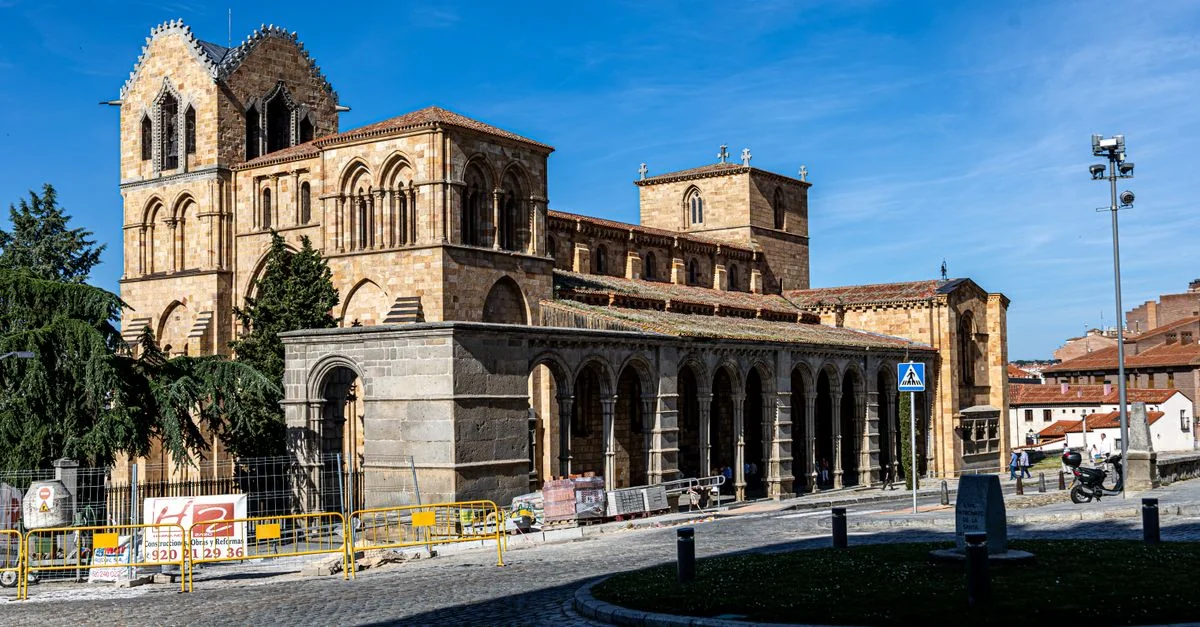
The price for the bus is $17. This is a standard fare for a coach service in this region. It is higher than the train price listed in the data, but it is a realistic market rate for a comfortable intercity bus. The bus service is reliable and runs multiple times a day. The terminals in both cities are usually well-connected to local public transport, making it easy to navigate from the drop-off point to your hotel or final destination.
Traveling by bus offers a different experience compared to the train. The seats are generally comfortable, and many modern coaches are equipped with air conditioning, Wi-Fi, and power outlets. The 155-minute duration allows for a more relaxed pace. You can enjoy the changing landscape as you move from the plains around Salamanca towards the central plateau where Madrid is located. The bus is also a good option if you are traveling with luggage, as there is usually ample space in the overhead racks or under the seats.
One of the advantages of the bus is its flexibility in terms of departure times. Buses often run more frequently than trains, especially during peak travel times. This can be beneficial if you have a specific time constraint that does not align with the train schedule. The 155-minute journey time means that if you catch an early morning bus, you will arrive in Madrid in time for lunch. If you catch an evening bus, you will arrive in time for dinner. The bus is a practical choice for budget-conscious travelers who are willing to spend a bit more time on the road to save money.
Price and Time Comparison#
To make a clear decision, it is helpful to compare the price and time of the two options side by side. The train takes 98 minutes and costs $3. The bus takes 155 minutes and costs $17.
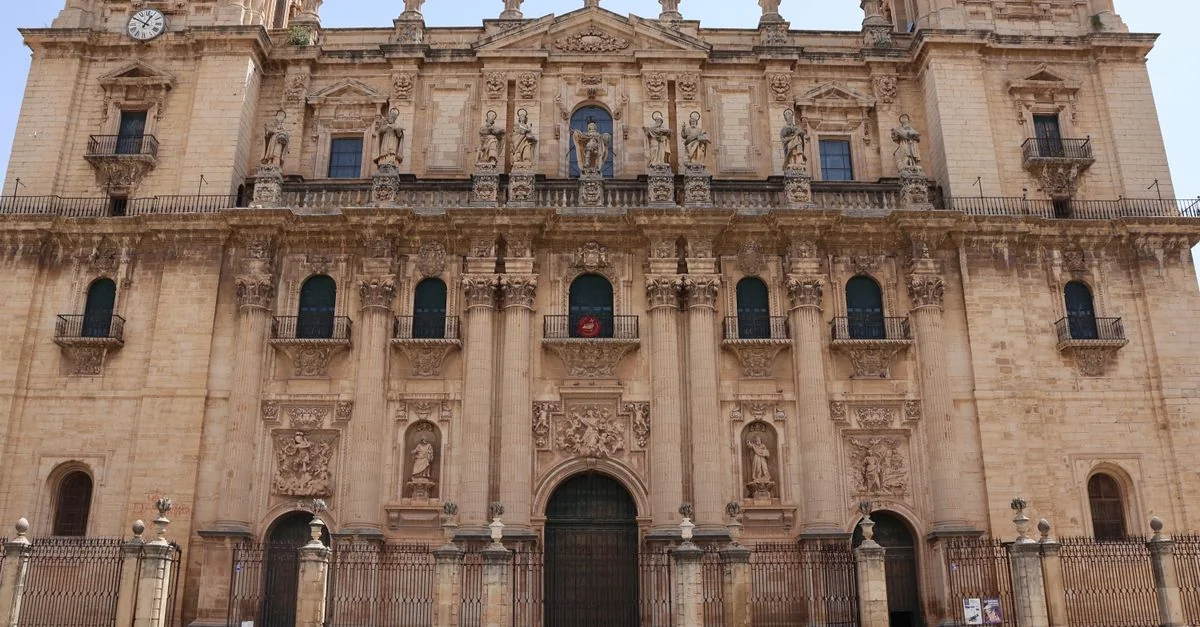
Looking at the time, the train is significantly faster. It saves you 57 minutes of travel time. If you value your time and want to maximize your hours in Madrid, the train is the logical choice. The 98-minute duration is short enough that you will not feel fatigued by the end of the journey. In contrast, the 155-minute bus journey is longer, but still within a comfortable range for most adults. The difference in time is noticeable but not prohibitive.
Looking at the price, the data presents an interesting dynamic. The train is listed at $3, while the bus is listed at $17. This suggests that the train is the cheaper option according to the provided figures. This is unusual for this route, where buses are typically the budget option. However, based strictly on the data, the train offers both speed and lower cost. If these prices are accurate for your specific travel dates, the train is the superior choice in every metric. It is faster and cheaper.
If we consider the value for money, the train offers the best combination of speed and cost. You get a shorter journey for a lower price. The bus, while more expensive in this dataset, offers a longer journey. This might be preferable if you enjoy the scenic route or if you have a specific preference for coach travel. However, from a purely practical standpoint, the train wins on both time and cost.
It is important to note that prices can fluctuate based on demand, time of booking, and specific carriers. The figures provided are specific to the data set given. In real-world scenarios, you should always verify the current prices on the official booking platforms. However, for the purpose of this guide, the train is the clear winner in terms of efficiency and cost, based on the numbers provided.
Best Time to Book for Cheapest Fares#
While the data provides specific prices, the general principle of booking early applies to both train and bus services in Spain. Prices for trains and buses are often dynamic, meaning they can increase as the departure date approaches and seats fill up. To secure the lowest possible fare, it is advisable to book as early as possible. For trains, this might mean booking weeks or even months in advance, especially for high-speed services. For buses, booking a few days in advance is usually sufficient to get a good price, but during peak seasons like summer or holidays, booking earlier is recommended.

The price of $3 for the train suggests that this might be a promotional rate or a very early booking price. If you see such a low price, it is worth booking immediately to lock it in. These prices are often limited in quantity. Similarly, the bus price of $17 is a standard rate, but it may go up if you wait until the last minute.
There is no specific data on seasonal price variations, so it is best to assume that prices will be higher during peak travel periods. Weekends and holidays are typically more expensive. If you have flexibility in your travel dates, consider traveling on weekdays, which are often cheaper and less crowded. The best time to book is as soon as your travel plans are finalized. Do not wait until the last minute, as this is when prices are highest and availability is lowest.
Practical Tips for This Route#
When traveling from Salamanca to Madrid, there are several practical tips that can make your journey smoother. First, ensure that you know the exact location of the departure and arrival points. In Salamanca, the main train station is well-known, but it is a good idea to check the specific platform or gate if you are arriving by local transport. In Madrid, the main arrival point for trains is usually Atocha, which is a major hub with easy connections to the metro and other parts of the city. For buses, the terminal is also central, but it is worth checking the specific address, as there can be multiple bus stations in a large city.
Second, consider the time of day you are traveling. Morning departures are often less crowded and allow you to make the most of your day in Madrid. Evening departures are good if you want to enjoy the last of your time in Salamanca before heading to the capital. Avoid midday departures if you are sensitive to heat, as the landscape can be quite exposed.
Third, pack light. Both trains and buses have luggage restrictions, but it is always easier to travel with a single bag. If you have large luggage, check the specific rules for each carrier. Trains usually allow more flexibility with luggage size, while buses may have stricter limits on the number of bags.
Fourth, have a backup plan. While the train and bus are reliable, delays can happen. If you have a connecting flight or a strict appointment in Madrid, build in some buffer time. The 98-minute train journey is quick, but it is still a good idea to arrive at the station at least 30 minutes before departure. For the bus, arriving 15-20 minutes early is usually sufficient.
Finally, keep your payment method ready. While credit cards are widely accepted, it is always a good idea to have some cash on hand for small expenses like snacks or local transport upon arrival. The booking link is available, so you can purchase your tickets online, which is the most convenient way to secure your seat. Avoid buying tickets at the station on the day of travel, as prices are higher and seats may be limited.
the route from Salamanca to Madrid is well-served by both train and bus. The train offers a faster journey at 98 minutes and a lower price of $3, making it the most efficient option. The bus offers a longer journey at 155 minutes and a higher price of $17, which may be suitable for those who prefer a different mode of transport or have specific scheduling needs. By booking early and planning your logistics carefully, you can ensure a smooth and enjoyable trip between these two important Spanish cities.
📌 Disclaimer
Prices, schedules, tour details, flight routes, visa requirements, and all other information on this page are based on data at the time of writing. Fares, availability, and policies may change. Please verify current details on the official website before booking.
