📌 Disclaimer
Prices, schedules, tour details, flight routes, visa requirements, and all other information on this page are based on data at the time of writing. Fares, availability, and policies may change. Please verify current details on the official website before booking.
Photo by Theodore Nguyen on Pexels
Why Visit Seoul ?#
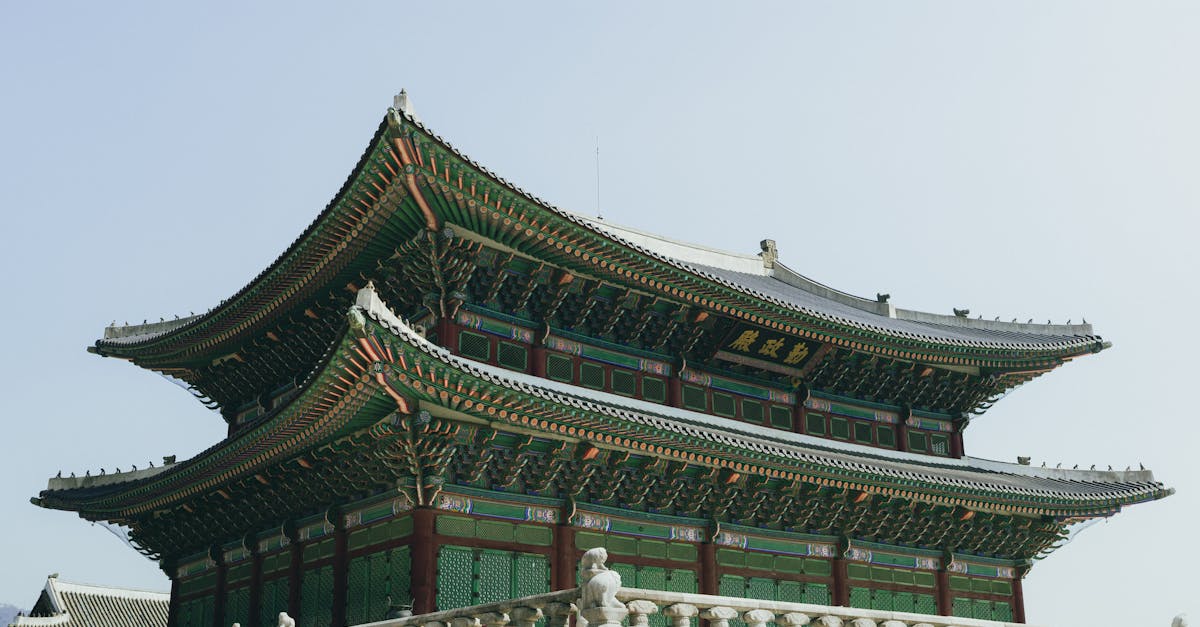
Seoul, the vibrant capital of South Korea , is a city that beautifully blends the old with the new. With its rich history, modern architecture, and a lively pop culture scene, it offers an array of experiences that cater to every type of traveler. From ancient palaces like Gyeongbokgung, where you can witness the changing of the guard ceremony, to the bustling streets of Myeongdong, filled with shops and street food vendors, there’s a unique charm that makes Seoul a must-visit destination.
Additionally, Seoul is renowned for its technological advancements and urban development. The city is home to impressive skyscrapers and innovative public transport systems that make navigating easy and efficient. For American travelers looking to immerse themselves in a culture that is at once familiar yet distinctly different, Seoul offers an adventure filled with exploration, discovery, and a taste of the extraordinary.
Best Time to Visit Seoul#
Seoul experiences four distinct seasons, each offering its own unique charm. The best time to visit largely depends on what you wish to experience.
Spring (March to May): Spring is a fantastic time to visit as the weather is mild and cherry blossoms bloom throughout the city. Expect temperatures ranging from 40°F to 70°F. Crowds are moderate, especially during the cherry blossom festivals in April, but prices for accommodations and flights tend to be reasonable.
Summer (June to August): Summers in Seoul can be hot and humid, with temperatures often exceeding 85°F. While this is peak tourist season, making it crowded, it’s also when many festivals take place. Prices for flights and hotels can be higher during this period, especially in July and August.
Autumn (September to November): Autumn is another ideal time to visit, with comfortable temperatures between 50°F and 75°F. The fall foliage transforms the city into a stunning canvas of red and gold, attracting many visitors. Prices start to drop after the summer rush, making it a budget-friendly option.
Winter (December to February): Winters can be cold, with temperatures often falling below freezing. However, if you’re a fan of winter sports or festive holiday markets, this is a great time to experience Seoul’s unique winter culture. Hotel prices tend to be lower, especially in January and February.
Where to Stay in Seoul#
Finding the right neighborhood to stay in can make a significant difference in your Seoul experience. Here are some recommendations across different budget tiers:
Budget: Look for accommodations in areas like Hongdae or Itaewon. These neighborhoods are known for their youthful energy, vibrant nightlife, and proximity to public transport. Budget hotels typically start around $30-50/night, and you can also find hostels for even less.
Mid-Range: Consider areas like Myeongdong or Insadong for a more comfortable stay. Myeongdong is a shopping haven, perfect for those who want to be in the heart of the action, while Insadong offers a more traditional atmosphere with art galleries and tea houses. Mid-range options usually range from $70-150/night.
Luxury: For a splurge, look into staying in the Gangnam district, known for its upscale shopping and dining. You can also find luxurious hotels near the Han River, offering stunning views and high-end amenities. Prices for luxury accommodations generally start around $200/night and can go significantly higher.
Top Things to Do in Seoul#
Seoul is packed with activities and attractions that cater to diverse interests. Here are some top picks:
Gyeongbokgung Palace: This grand palace is a must-visit for history enthusiasts. Explore its beautiful architecture and gardens, and don’t miss the changing of the guard ceremony.
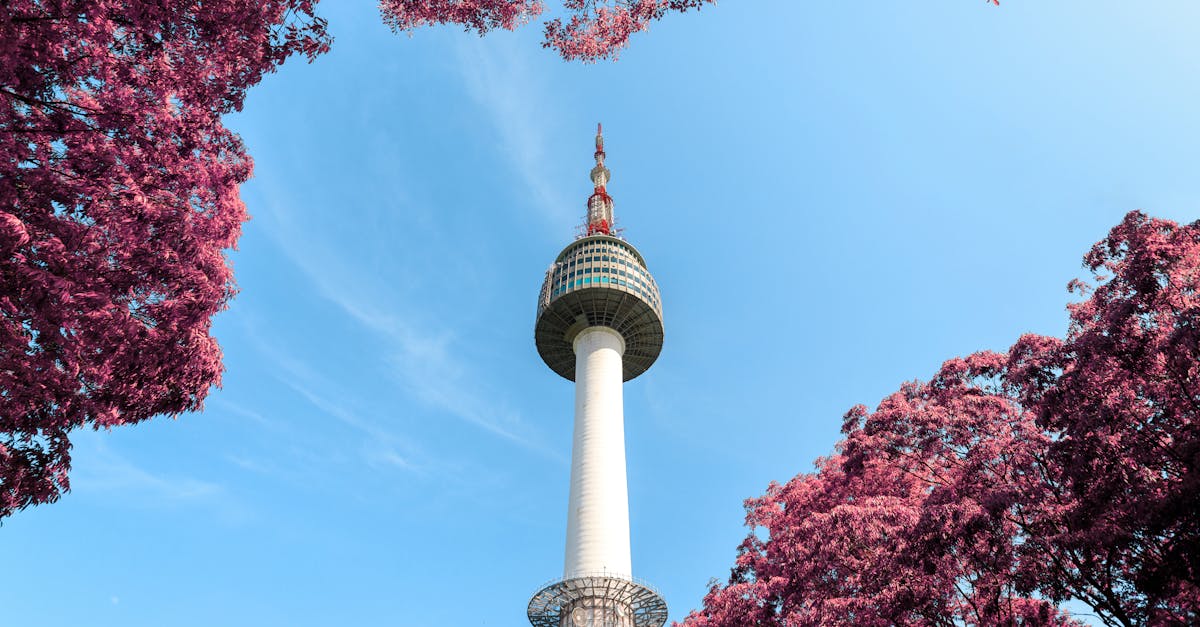
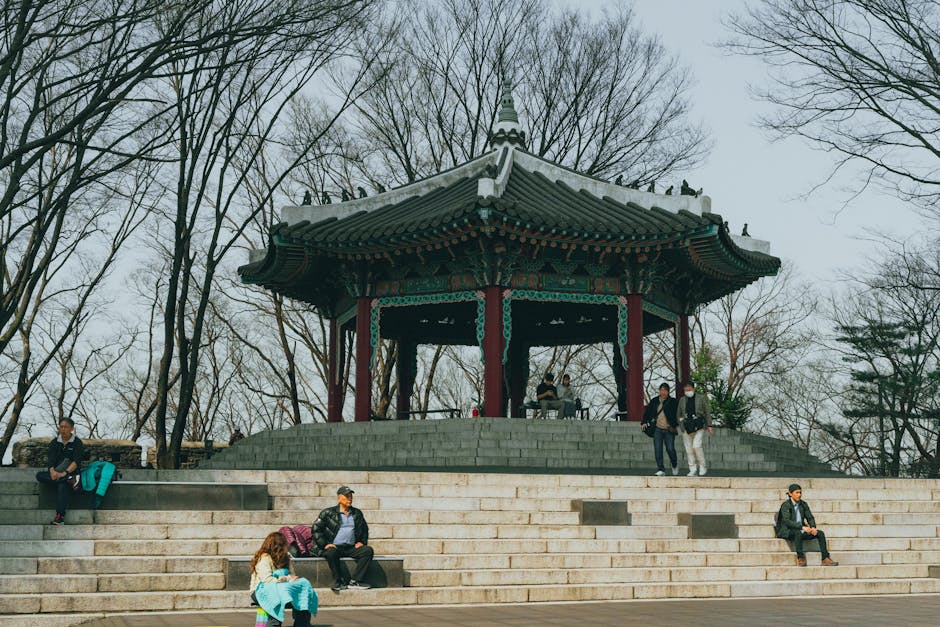
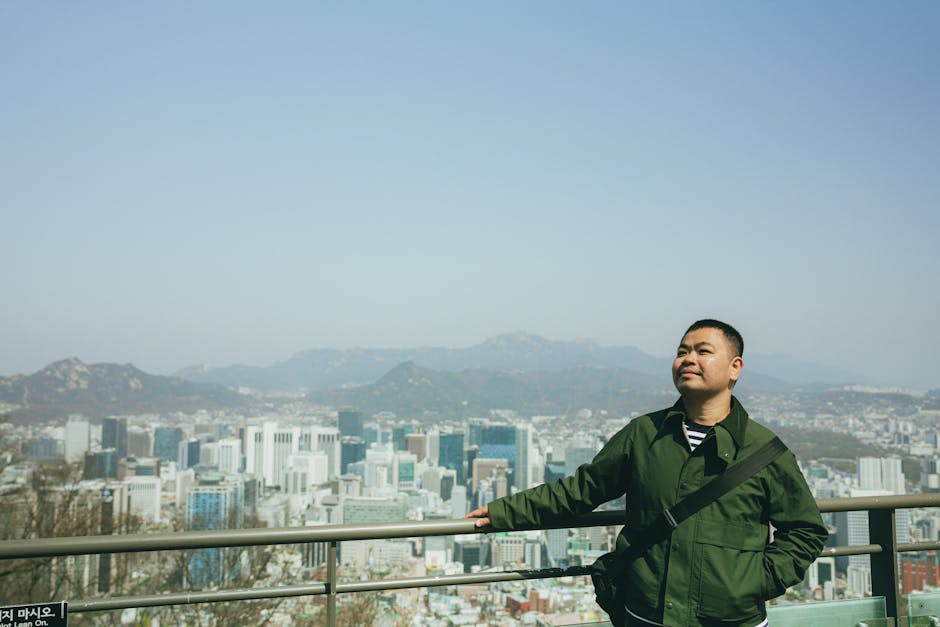
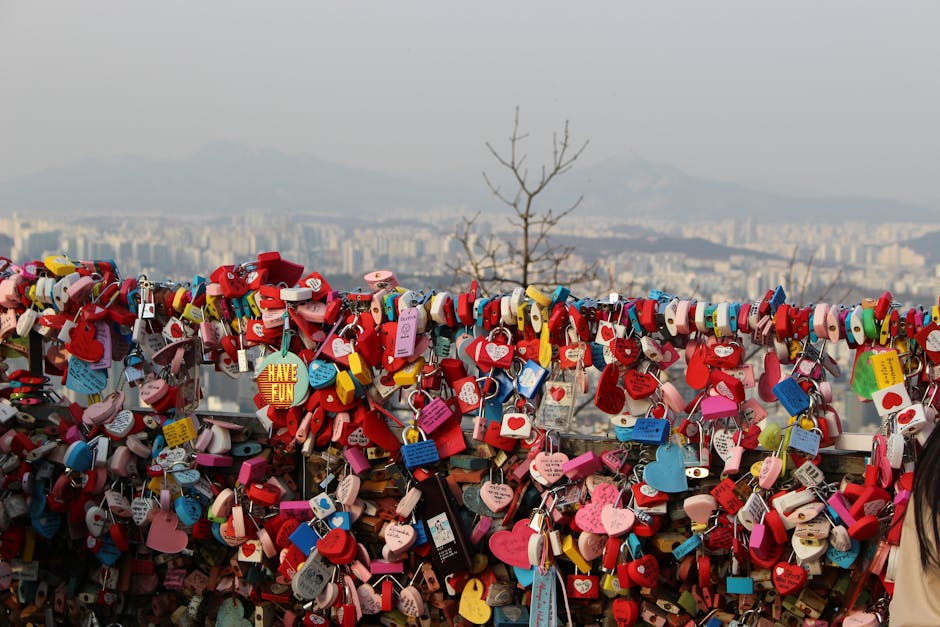
N Seoul Tower: For panoramic views of the city, head to Namsan Park and hike up to N Seoul Tower. The tower lights up at night, making it a romantic spot for couples.
Bukchon Hanok Village: Wander through this traditional village filled with hanoks (traditional Korean houses). It’s a great place to experience Korea’s cultural heritage and take stunning photos.
Insadong: Known for its antique shops and art galleries, Insadong is the perfect place to shop for unique souvenirs and experience traditional tea houses.
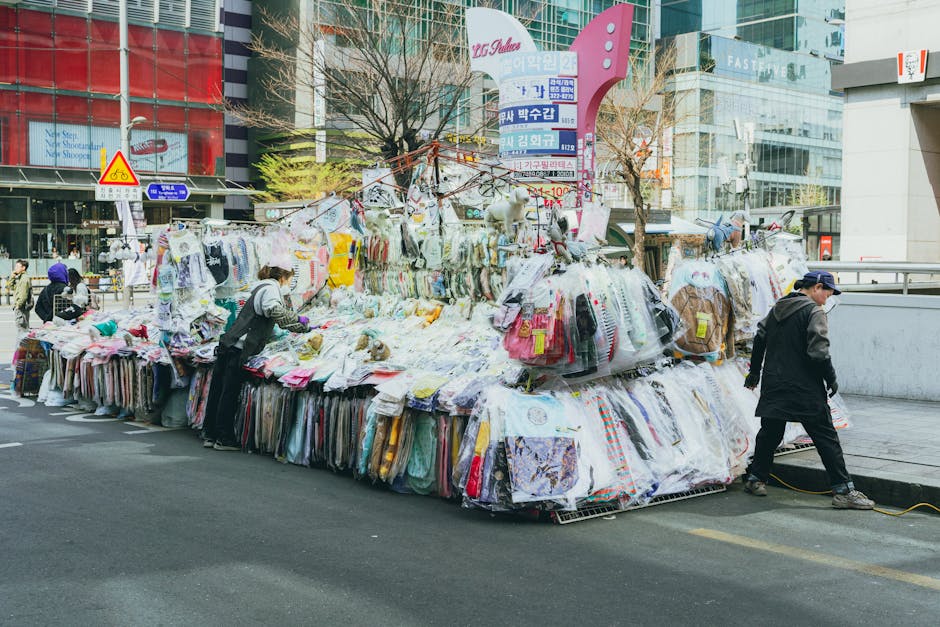
Myeongdong Shopping Street: A bustling shopping district, Myeongdong is famous for its skincare shops, fashion boutiques, and delicious street food.
Dongdaemun Design Plaza (DDP): An architectural marvel, DDP hosts exhibitions and fashion shows. Its futuristic design is a sight to behold.
Cheonggyecheon Stream: This urban stream runs through downtown Seoul and is ideal for a leisurely stroll. The surrounding parks are perfect for relaxing amidst the city bustle.
Gwangjang Market: A foodie haven, Gwangjang Market is the place to try traditional Korean dishes like bindaetteok (mung bean pancakes) and bibimbap.
Hangang Park: Enjoy outdoor activities along the Han River. Rent a bike, have a picnic, or simply relax and take in the views.
K-Pop Concerts and Shows: If you’re a K-Pop fan, check out local listings for concerts or shows. Many venues offer affordable tickets that give you a taste of Korea’s vibrant music scene.
Food and Dining Guide#
Seoul is a paradise for food lovers, offering a mix of street food and dining experiences that won’t break the bank. Here are some local cuisine highlights and must-try dishes:
Kimchi: This iconic Korean dish made from fermented vegetables is a staple at every meal. Be sure to try it in various forms, from traditional side dishes to stews.
Bibimbap: A delicious mix of rice, vegetables, meat, and a fried egg, bibimbap is both filling and affordable. You can find it in many restaurants and cafes.
Tteokbokki: This popular street food consists of chewy rice cakes coated in a sweet and spicy sauce. Perfect for a quick snack while exploring the city.
Korean BBQ: While some BBQ places can be pricey, many offer affordable options where you can grill your own meat at your table. Look for set menus that provide great value.
Gimbap: Often referred to as Korean sushi, gimbap is a rolled dish filled with rice, vegetables, and sometimes meat or fish. It’s a perfect grab-and-go meal for busy days.
When it comes to dining, street food is a great way to sample a variety of dishes without overspending. However, local restaurants often provide hearty meals at reasonable prices, making it easy to explore Seoul’s culinary scene without breaking the bank.
Getting Around Seoul#
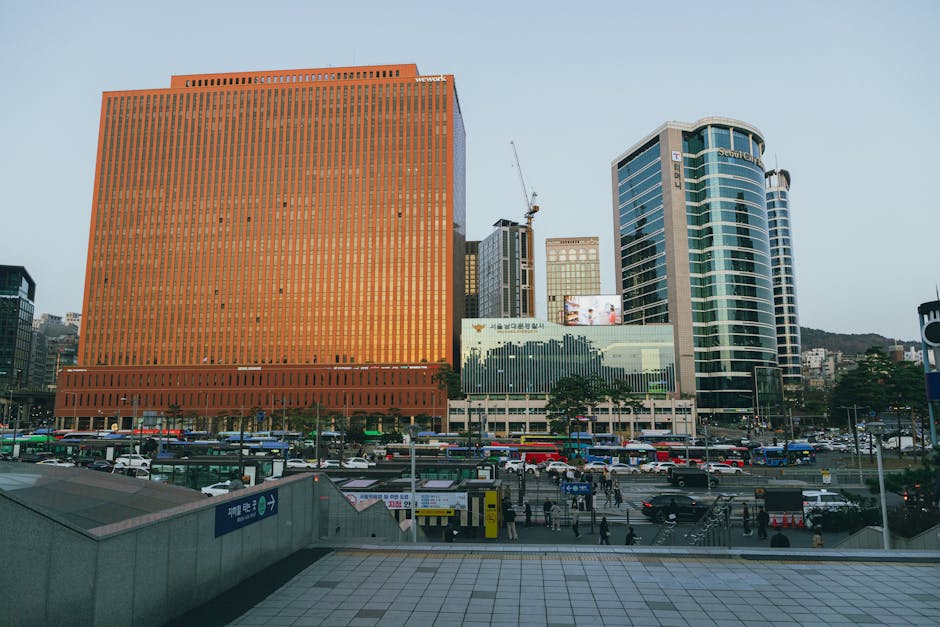
Seoul boasts an efficient public transportation system that makes getting around the city a breeze. Here’s how to navigate:
Subway: The Seoul subway system is extensive and user-friendly. With signs in English and a reliable schedule, it’s the best way to reach major attractions. A single ride typically costs between $1-2.
Buses: The bus system complements the subway, providing access to areas that may not be on the subway line. Buses are also very affordable.
Taxis: While taxis are more expensive than public transport, they’re still quite reasonable compared to many American cities. They’re a good option if you’re traveling in a group or late at night.
Walking: Seoul is a walkable city, especially in areas like Myeongdong and Hongdae, where you can enjoy the atmosphere and discover hidden gems.
Rental Cars: Renting a car is generally not recommended due to heavy traffic and limited parking. Public transport is usually more convenient.
Budget Breakdown#
Understanding your budget is crucial when traveling to Seoul. Here’s a rough daily budget estimate:
Budget Travelers: Expect to spend around $50-80 per day. This includes budget accommodation, street food meals, and public transport.
Mid-Range Travelers: A comfortable daily budget would be around $100-200. This allows for nicer accommodations, meals at local restaurants, and entry fees to attractions.
Luxury Travelers: For those seeking a premium experience, budget around $250 and up per day. This includes luxury accommodations, fine dining, and private transportation.
Travel Tips for Seoul#
Safety: Seoul is generally a safe city, but like any urban area, be aware of your surroundings, especially in crowded places.
Tipping: Tipping is not customary in Korea, and service charges are often included in bills. However, rounding up or leaving small change is appreciated.
Language: While English is spoken in many tourist areas, learning a few basic Korean phrases can enhance your experience and help you connect with locals.
SIM Cards: For internet access, consider purchasing a SIM card at the airport or in convenience stores. This is a cost-effective way to stay connected.
Scams: Be cautious of overly friendly strangers who may offer unsolicited help or invite you to expensive tourist traps.
Cultural Etiquette: Respect local customs, such as removing your shoes when entering homes and being polite during interactions.
Public Transport Card: Invest in a T-money card, which can be used on subways and buses, making travel more convenient and often cheaper.
Seoul is a city that welcomes travelers with open arms, and exploring it on a budget is entirely possible. With a little planning and an adventurous spirit, you can experience all that this dynamic city has to offer without breaking the bank. If you’re also considering a trip to Kuala Lumpur, Malaysia , check out our guide for more travel tips. Enjoy your journey!