📌 Disclaimer
Prices, schedules, tour details, flight routes, visa requirements, and all other information on this page are based on data at the time of writing. Fares, availability, and policies may change. Please verify current details on the official website before booking.
Why Visit Singapore ?#
Singapore is a vibrant city-state that seamlessly blends rich cultural heritage with modern innovation. Known for its stunning skyline, lush gardens, and bustling markets, this island nation offers a unique experience that caters to all types of travelers. Whether you’re an adventure seeker, a foodie, or a culture enthusiast, Singapore has something special waiting for you. The city’s efficient public transport system makes it easy to explore its diverse neighborhoods, each offering a glimpse into the melting pot of cultures that defines Singapore.
One of the standout features of Singapore is its commitment to cleanliness and safety. The city is often hailed as one of the cleanest in the world, with strict regulations that ensure a pleasant environment for both locals and visitors. The blend of traditional and contemporary elements can be seen in its architecture, with iconic landmarks like the Marina Bay Sands and the historic Chinatown coexisting harmoniously. Plus, Singapore’s reputation for being a culinary haven, with its hawker centers serving delicious street food, makes it a must-visit for any food lover.
Best Time to Visit Singapore#
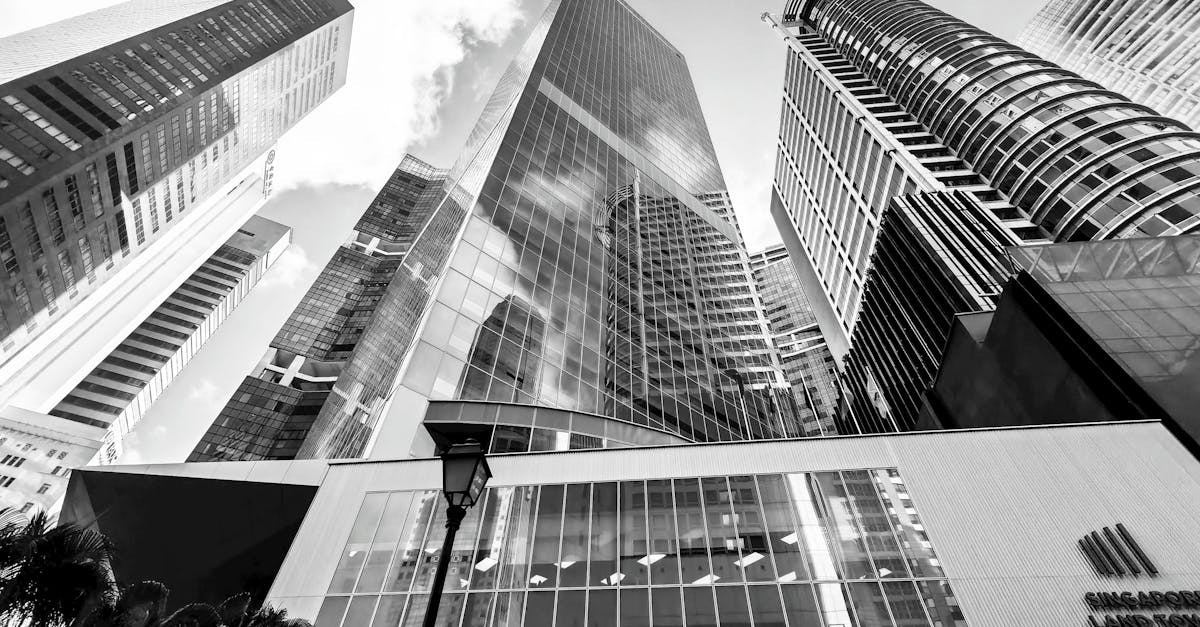
Singapore enjoys a tropical climate, which means it’s warm and humid year-round. However, the best time to visit is generally from December to June when the weather is slightly more bearable, and there’s less rainfall. The peak tourist season occurs from December to February, coinciding with the holiday season and major events like the Chinese New Year. Expect larger crowds and higher prices during this time.
From March to May, the weather remains warm but is typically less crowded, making it a great time for those looking to explore without the hustle and bustle. The months of July to November see an increase in rainfall, particularly in November, but this also means fewer tourists and potentially lower prices. If you’re looking for a more budget-friendly option, consider visiting during the off-peak months for better deals on accommodation and activities.
Where to Stay in Singapore#
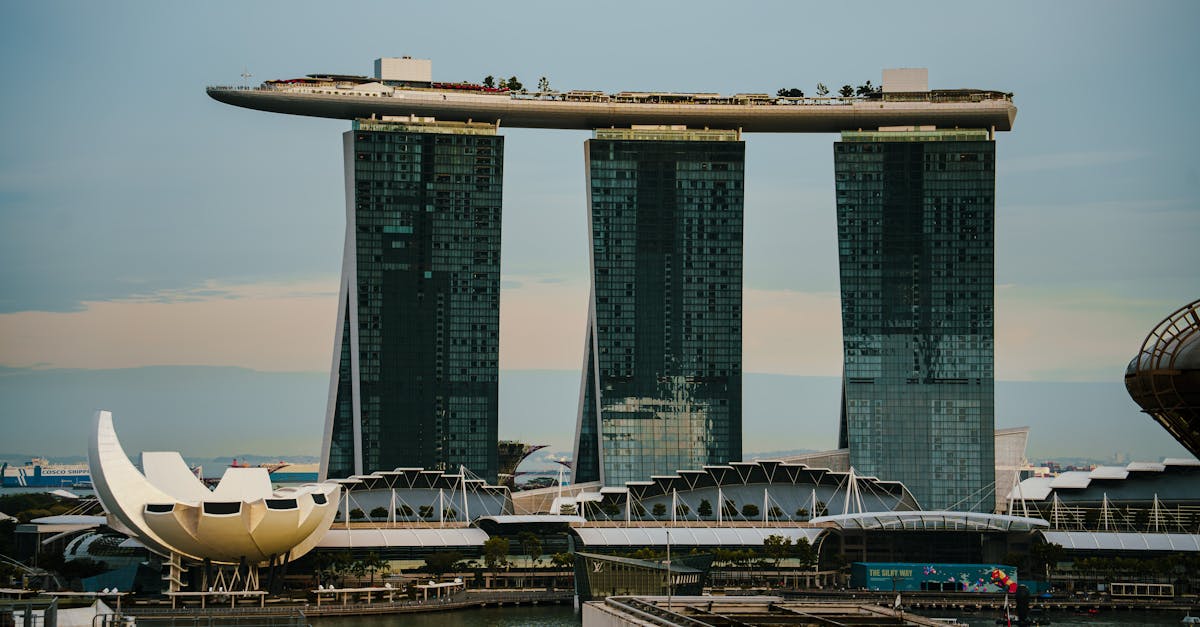
Finding the right neighborhood to stay in can significantly enhance your Singapore experience. Here are some recommendations across different budget tiers:
Budget: Look for accommodations in areas like Little India or Chinatown. These neighborhoods offer a variety of budget hotels and hostels, along with a rich cultural experience. You’ll find vibrant street life, colorful markets, and authentic local cuisine just steps away.
Mid-Range: Clarke Quay and Bugis are excellent choices for mid-range travelers. Clarke Quay is known for its lively nightlife and riverside dining, while Bugis boasts a blend of shopping, dining, and cultural attractions. Both areas provide easy access to public transport and major attractions.
Luxury: For those seeking a more upscale experience, Marina Bay and Orchard Road are the places to be. Marina Bay offers stunning views of the skyline and proximity to attractions like Gardens by the Bay, while Orchard Road is Singapore’s premier shopping district, featuring high-end boutiques and luxurious hotels.
Top Things to Do in Singapore#
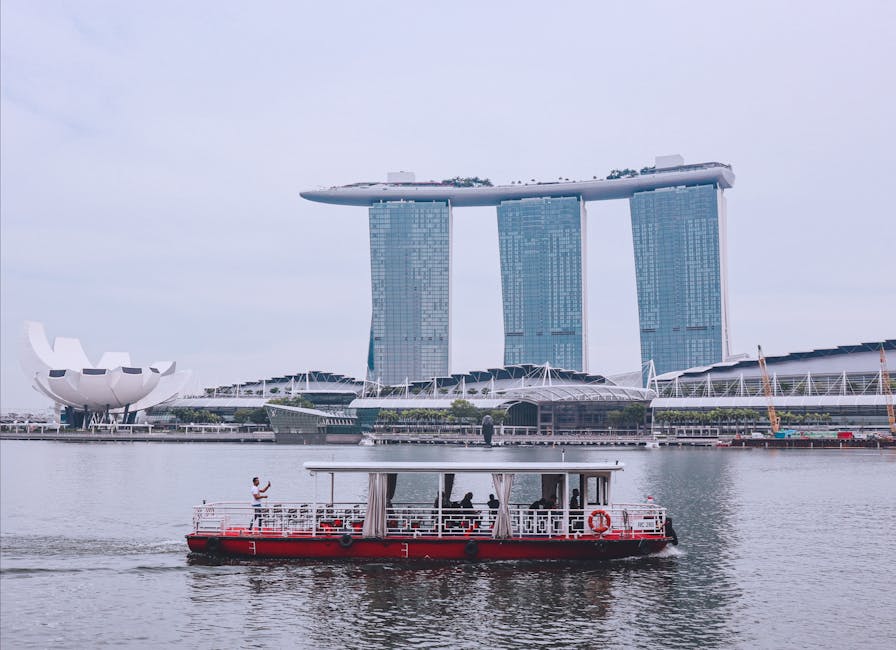
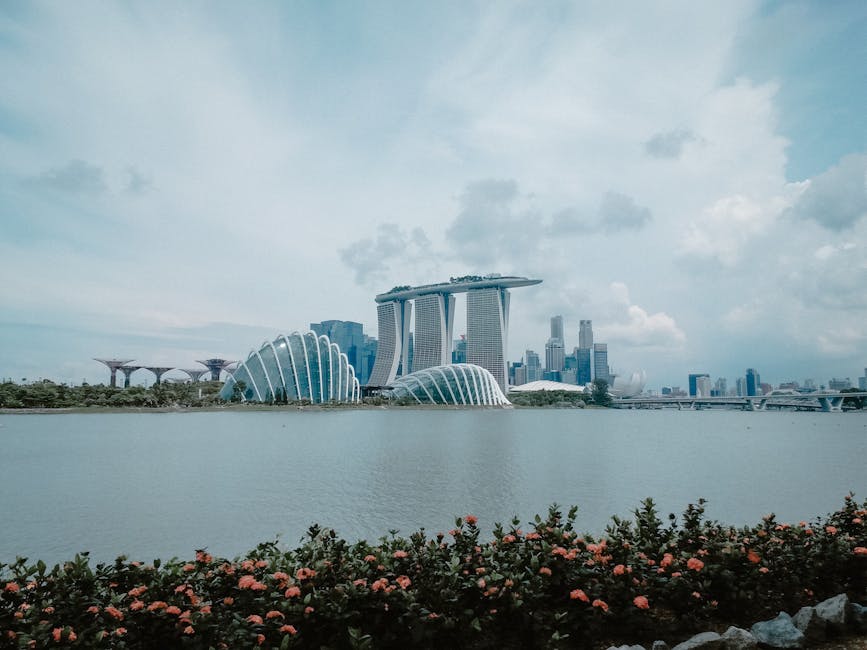
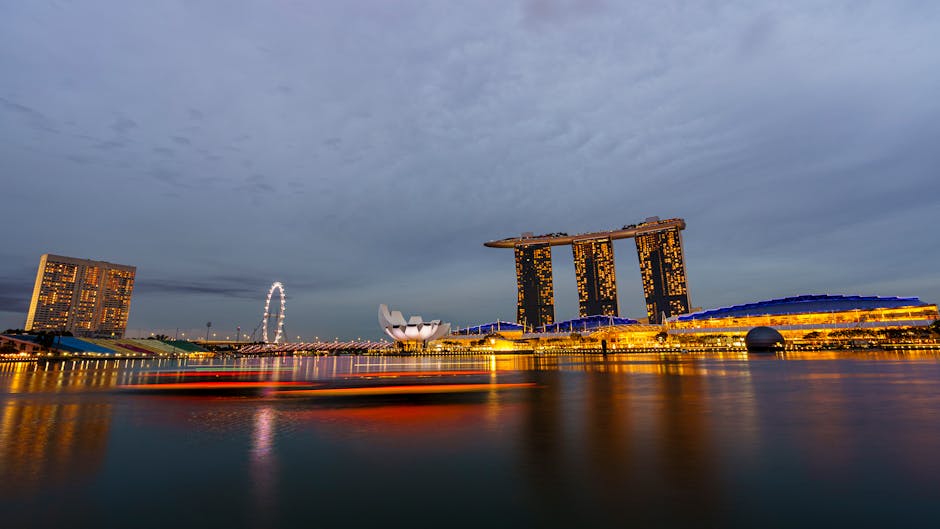
Marina Bay Sands - This iconic hotel features a stunning rooftop infinity pool with breathtaking views of the cityscape. Even if you’re not staying here, visiting the SkyPark is a must for unforgettable panoramas.
Gardens by the Bay - Explore this futuristic garden featuring the Supertree Grove and the Cloud Forest. The nightly light show is a magical experience that shouldn’t be missed.
Sentosa Island - A resort destination packed with attractions, including Universal Studios Singapore, S.E.A. Aquarium, and beautiful beaches. It’s perfect for a day of fun and relaxation.
Chinatown - A vibrant neighborhood filled with heritage sites, shops, and eateries. Don’t miss the Buddha Tooth Relic Temple and the bustling Chinatown Food Street.
Little India - Experience the colorful streets, traditional markets, and aromatic cuisine. Visit the Sri Veeramakaliamman Temple and indulge in some authentic Indian food.
Orchard Road - Shop till you drop on this famous shopping street, lined with luxury boutiques, department stores, and shopping malls.
Clarke Quay - A lively riverside hub known for its nightlife and dining options. Take a river cruise to enjoy the illuminated skyline from the water.
Singapore Botanic Gardens - A UNESCO World Heritage site, this lush oasis is perfect for a leisurely stroll. Don’t forget to visit the National Orchid Garden, which showcases a stunning collection of orchids.
Haw Par Villa - A quirky theme park filled with statues and dioramas depicting Chinese mythology and folklore. It’s a unique glimpse into local culture that many tourists overlook.
Kampong Glam - This historic district is home to the stunning Sultan Mosque and vibrant street art. Explore the shops along Haji Lane for unique finds and trendy cafes.
Food and Dining Guide#
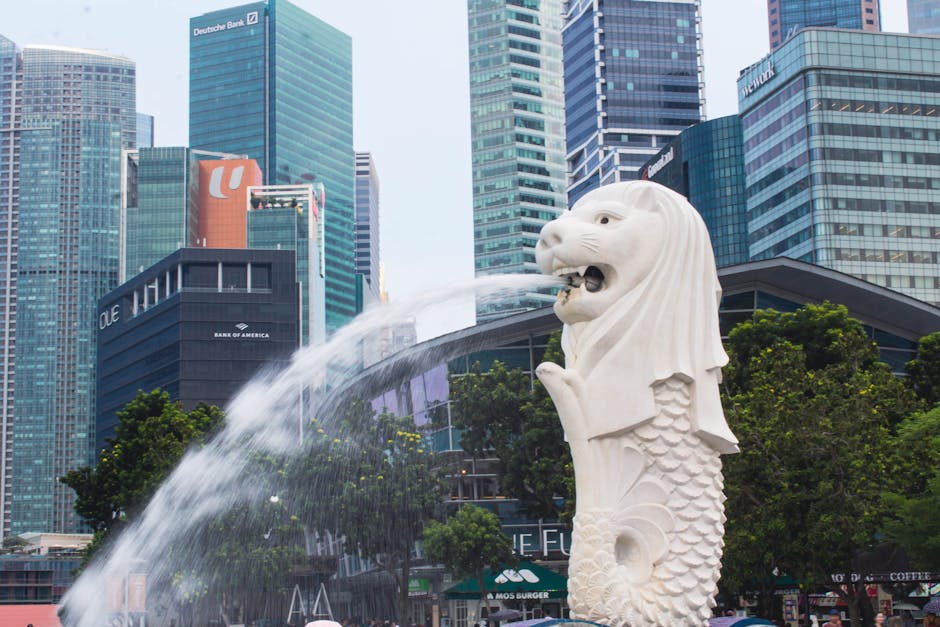
Singapore is a culinary paradise, offering a mix of flavors from its diverse cultural heritage. You’ll find everything from street food to fine dining, ensuring a delicious experience no matter your budget. Here are some must-try dishes:
Hainanese Chicken Rice - Often considered the national dish, this simple yet flavorful meal features poached chicken served with fragrant rice and a side of chili sauce.
Chili Crab - A Singaporean classic, this dish features crab cooked in a spicy tomato and chili-based sauce. It’s messy but absolutely worth it!
Laksa - A spicy noodle soup with a coconut milk base, usually served with prawns or chicken. It’s a comforting bowl that reflects the local flavors.
Satay - Skewered and grilled meat served with a peanut sauce, satay is a popular street food that’s perfect for snacking.
Char Kway Teow - A stir-fried noodle dish with shrimp, Chinese sausage, and bean sprouts, often cooked in a flavorful soy sauce.
For a true local experience, visit hawker centers like Maxwell Food Centre or Lau Pa Sat, where you can sample a variety of dishes at affordable prices. If you prefer a sit-down meal, explore restaurants in neighborhoods like Chinatown or Little India for authentic dining experiences.
Getting Around Singapore#
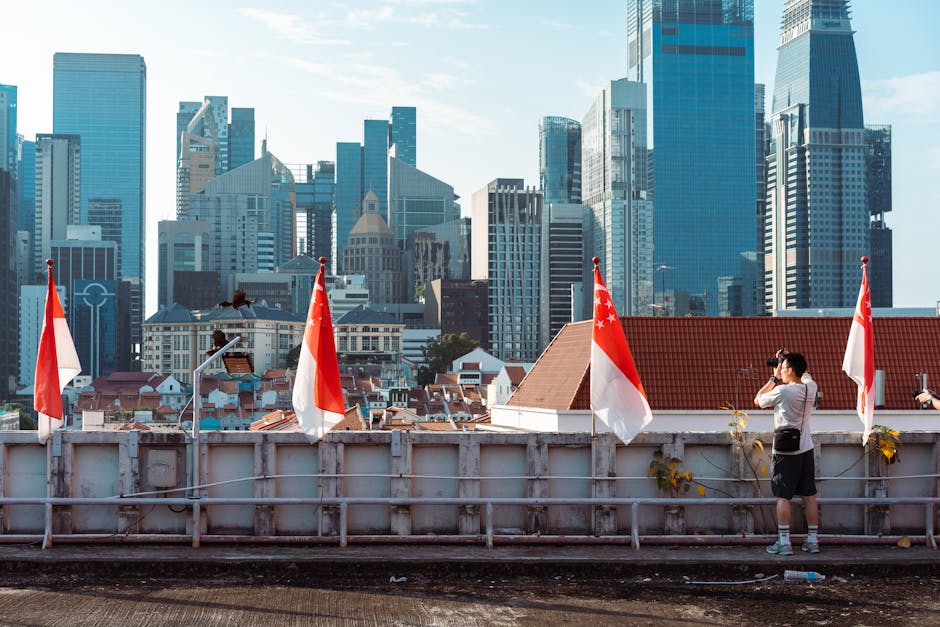
Navigating Singapore is a breeze, thanks to its efficient public transport system. The Mass Rapid Transit (MRT) is the backbone of the city’s transport network, connecting major areas and attractions. A single journey on the MRT typically costs between $1-3, making it an economical choice for getting around.
Buses are another great option, offering extensive coverage throughout the city. You can use the same EZ-Link card that you use for the MRT on buses, which makes it easy to hop on and off as you explore. Taxis are also readily available, though they can be pricier, especially during peak hours.
Walking is a fantastic way to soak in the sights, particularly in pedestrian-friendly areas like Orchard Road and Marina Bay. Rental cars are generally not recommended due to high parking fees and traffic congestion. Instead, embrace Singapore’s public transport for a hassle-free experience.
Budget Breakdown#
Understanding the costs associated with your trip can help you plan better. Here’s a rough daily budget estimate for different types of travelers:
Budget Travelers: Expect to spend around $50-80 per day. This includes accommodation in hostels or budget hotels ($30-50), street food meals ($10-15), public transport ($5-10), and some low-cost attractions.
Mid-Range Travelers: A daily budget of $150-250 is reasonable. You’ll likely stay in mid-range hotels ($80-150), enjoy a mix of street food and casual dining ($30-50), use public transport or occasional taxis ($10-20), and visit a few paid attractions ($20-50).
Luxury Travelers: For a more lavish experience, budget around $300-600 per day. This would cover upscale accommodations ($200-400), fine dining experiences ($50-100), private transport options ($30-60), and premium attractions or experiences ($50-100).
Travel Tips for Singapore#
Stay Hydrated: The tropical climate can be quite humid, so drink plenty of water throughout the day to stay refreshed.
Cash and Cards: While credit cards are widely accepted, it’s handy to have some cash for hawker centers and small shops. ATMs are readily available.
Tipping is Not Required: Tipping is generally not expected in Singapore, as service charges are often included in bills. However, rounding up for exceptional service is appreciated.
Language: English is one of the official languages, making it easy for American travelers to communicate. You’ll also hear Mandarin, Malay, and Tamil.
SIM Cards: Consider purchasing a local SIM card for data access while you explore. This will help you navigate and stay connected.
Watch for Scams: Singapore is generally safe, but be cautious of scams targeting tourists. Always use reputable services for transportation and avoid unsolicited offers.
Respect Local Customs: Be mindful of local customs and traditions, especially when visiting religious sites. Dress modestly and follow any posted guidelines.
If you’re also considering a trip to Ho Chi Minh City, Vietnam , you’ll find it’s an easy hop from Singapore, making for a great multi-city itinerary. Alternatively, the serene beauty of Luang Prabang, Laos or the vibrant streets of Jaipur, India could be wonderful additions to your Southeast Asia adventure.