📌 Disclaimer
Prices, schedules, tour details, flight routes, visa requirements, and all other information on this page are based on data at the time of writing. Fares, availability, and policies may change. Please verify current details on the official website before booking.
Photo by Talha Resitoglu on Pexels
Why Visit Sydney?#
Sydney is a dazzling city where stunning natural beauty meets vibrant urban life. With its iconic landmarks like the Sydney Opera House and the Sydney Harbour Bridge, the city is a feast for the eyes and a playground for adventure seekers. The sparkling waters of the harbor and the surrounding beaches create a picturesque backdrop for both relaxation and exploration. With a rich cultural scene, outdoor activities, and a diverse culinary landscape, Sydney has something to offer every type of traveler.
What truly sets Sydney apart is its unique blend of cosmopolitan flair and laid-back beach culture. You can spend your mornings relaxing on Bondi Beach, followed by afternoons exploring the historic rocks district, and evenings enjoying world-class dining and entertainment. The city’s friendly locals and multicultural vibe make it easy to feel at home, and the year-round pleasant climate invites exploration at any time of the year.
Best Time to Visit Sydney#
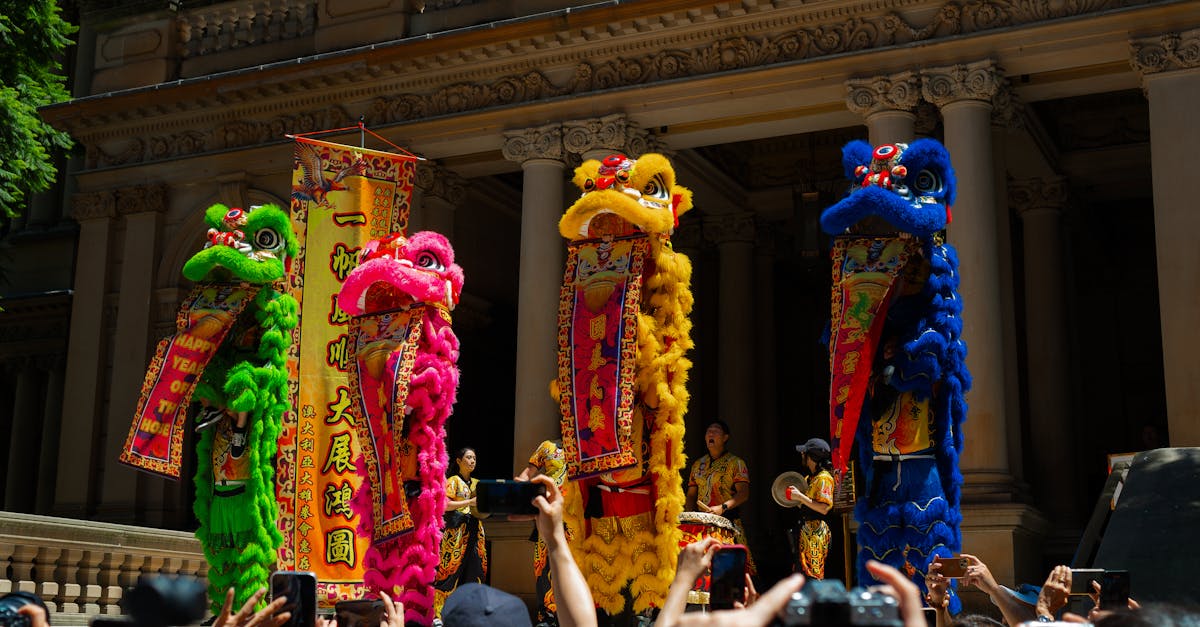
Sydney experiences a temperate climate with four distinct seasons, making it a year-round destination. However, the best time to visit largely depends on your preferences for weather and crowd levels.
Summer (December to February): Expect warm temperatures averaging between 70-85°F (21-29°C). This is peak tourist season, with bustling beaches and plenty of outdoor festivals. Prices for accommodations and activities are at their highest, so book in advance.
Autumn (March to May): This is arguably the best time to visit. The weather is mild, with temperatures ranging from 60-75°F (16-24°C), and the summer crowds begin to dissipate. Prices also drop slightly, making it easier to find good deals on accommodations.
Winter (June to August): Sydney’s winters are mild, with temperatures averaging between 45-65°F (7-18°C). While there may be occasional rain, this season is less crowded and offers lower prices on accommodations and attractions. It’s a great time for indoor activities and cultural experiences.
Spring (September to November): Spring brings blooming flowers and pleasant weather, with temperatures ranging from 55-75°F (13-24°C). This season sees a gradual increase in visitors, but prices remain reasonable. It’s a lovely time to explore Sydney’s gardens and outdoor markets.
Where to Stay in Sydney#
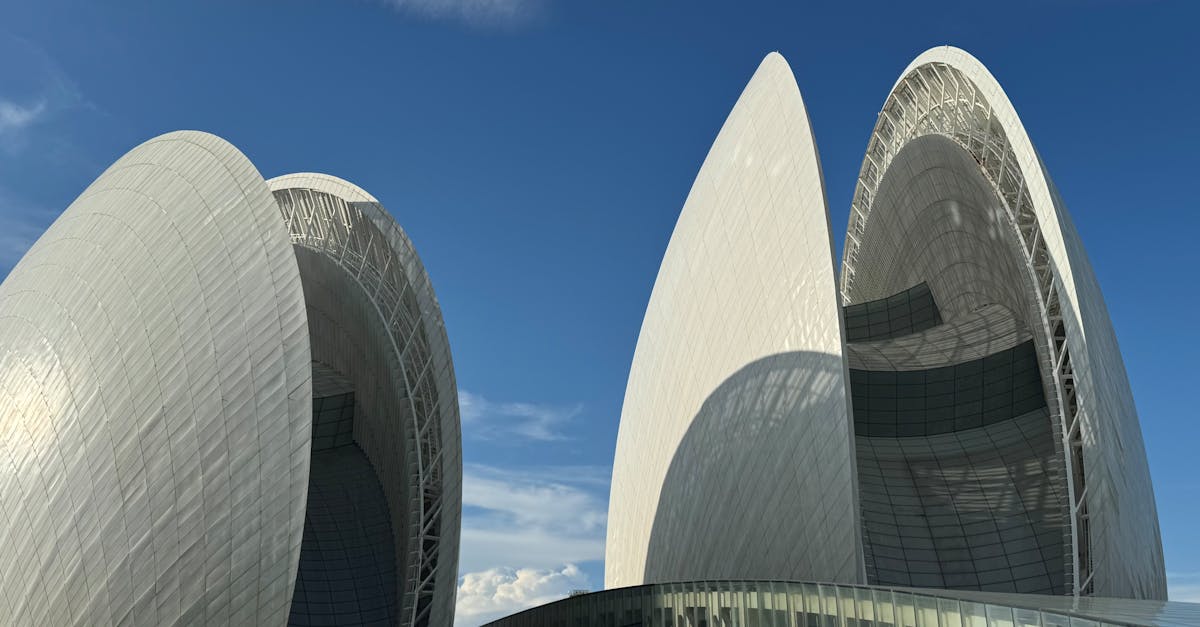
Choosing the right neighborhood can greatly enhance your experience in Sydney. Here are some recommendations across different budget tiers:
Budget: Look for accommodations in areas like Kings Cross or Glebe. These neighborhoods offer a variety of hostels and budget hotels, with easy access to public transportation and a lively atmosphere. You’ll find affordable dining options and local cafes to keep costs down.
Mid-Range: Surry Hills and Newtown are perfect for those seeking a balance of comfort and affordability. These trendy neighborhoods are known for their boutique hotels and guesthouses, along with a vibrant arts scene and great food options. They are also well-connected to the city center.
Luxury: For a splurge, consider staying in the Circular Quay area or Darling Harbour. These locations offer stunning waterfront views and high-end hotels with top-notch amenities. You’ll be within walking distance of major attractions like the Opera House and the Royal Botanic Garden.
Local Experience: If you want to immerse yourself in Sydney’s local culture, consider staying in Balmain or Manly. These neighborhoods provide a more relaxed vibe, with access to beautiful beaches and local markets, while still being a short ferry ride from the city center.
Top Things to Do in Sydney#
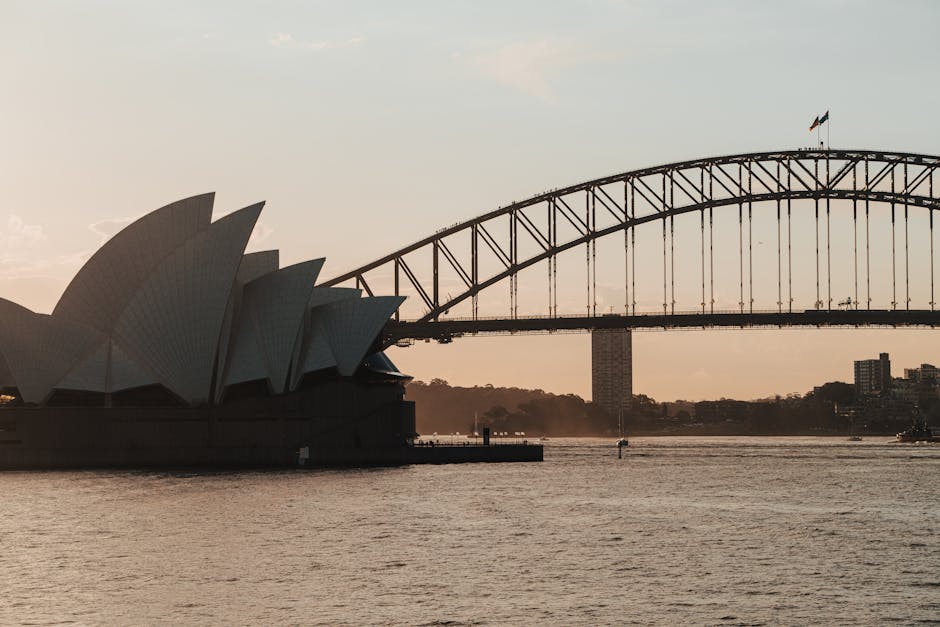
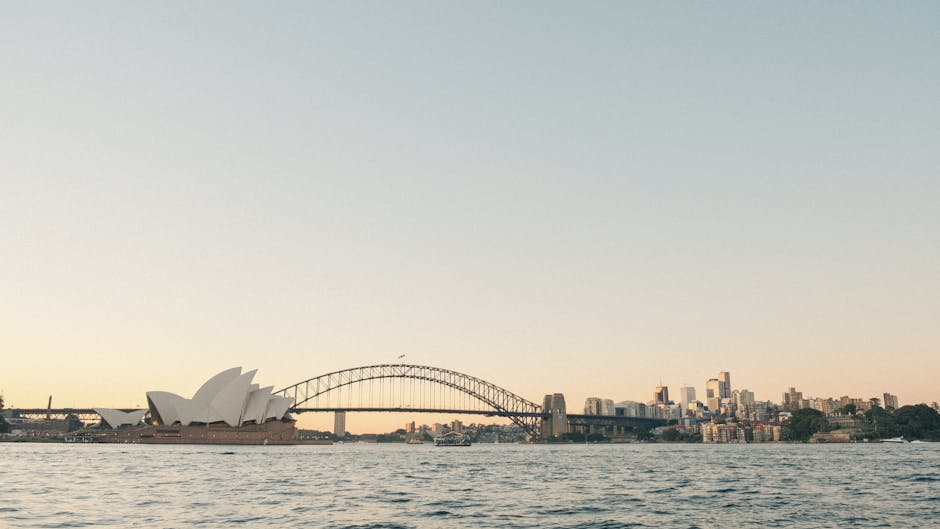
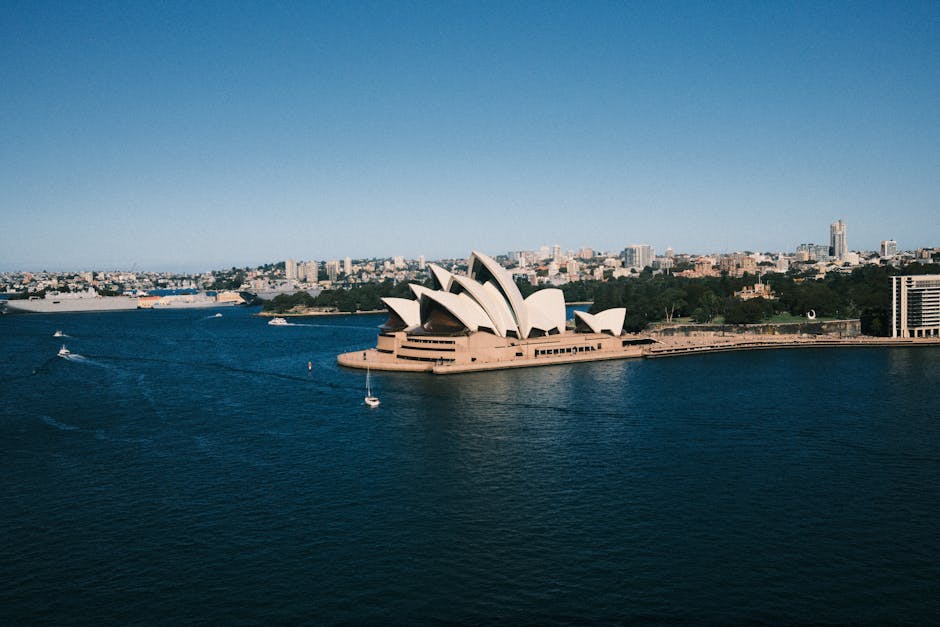
Sydney Opera House: No trip to Sydney is complete without visiting this architectural marvel. Take a guided tour or see a performance to truly appreciate its design and cultural significance.
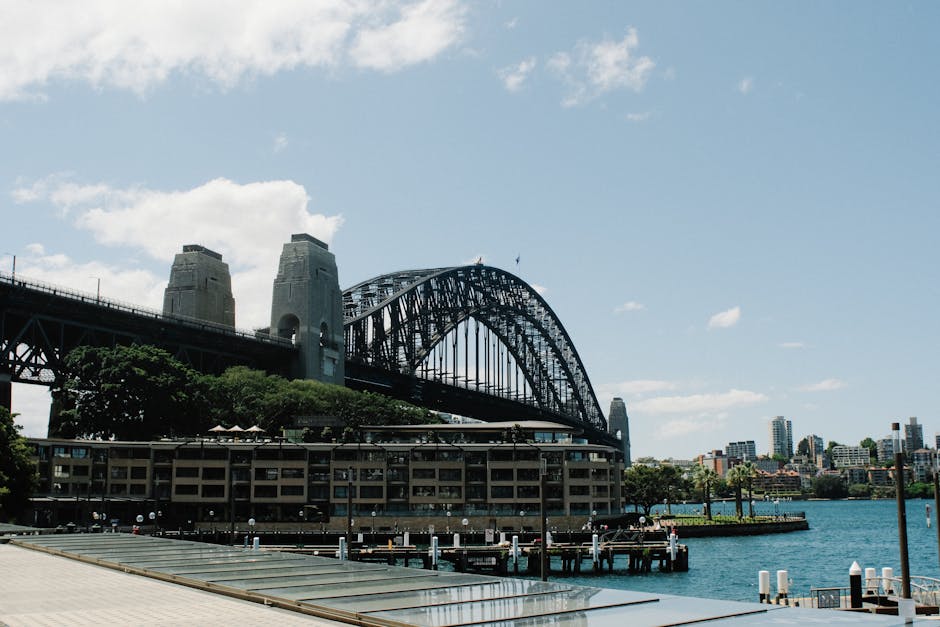
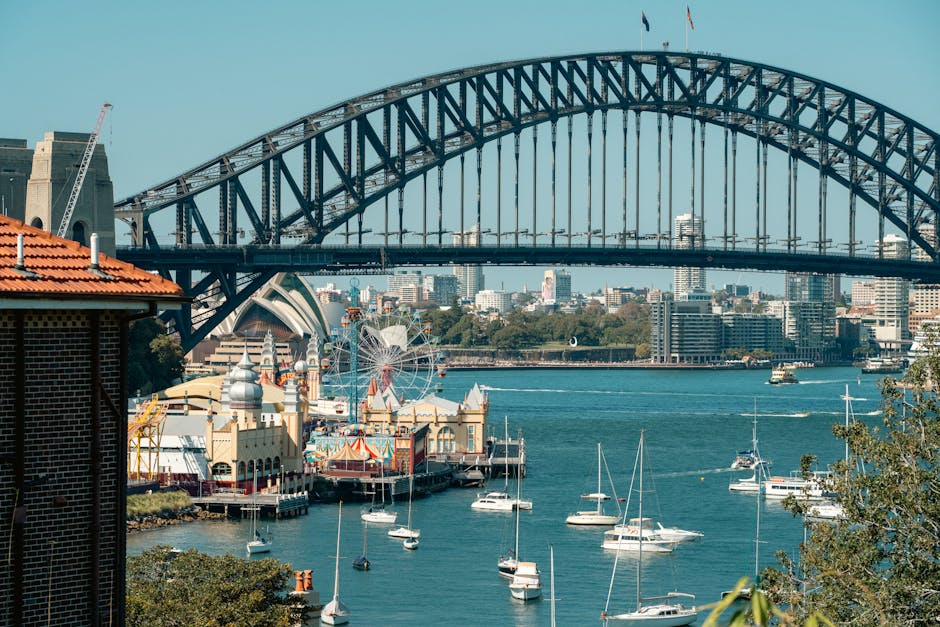
Sydney Harbour Bridge: Climb to the top of this iconic bridge for breathtaking views of the harbor and the city. For a less strenuous experience, stroll across the pedestrian walkway.
Bondi Beach: Famous for its golden sands and surf culture, Bondi Beach is a must-visit. Enjoy sunbathing, swimming, or take the scenic coastal walk to Coogee Beach.
The Rocks: Explore Sydney’s historic district with cobblestone streets, vibrant markets, and colonial architecture. It’s a great place to learn about the city’s history and enjoy local art galleries.
Royal Botanic Garden: Spend a relaxing afternoon wandering through this lush garden, which offers stunning views of the Opera House and harbor. It’s a peaceful escape from the city’s hustle and bustle.
Taronga Zoo: Just a short ferry ride away, Taronga Zoo is home to a wide variety of Australian wildlife. The zoo offers spectacular views of the city skyline, making it a fun family outing.
Manly Beach: Take a ferry to Manly Beach for a more laid-back beach experience. Enjoy the scenic ride across the harbor and spend the day swimming, surfing, or exploring local shops.
Art Gallery of New South Wales: This impressive gallery features an extensive collection of Australian and international art. Entry is free, making it a great budget-friendly activity.
Darling Harbour: A bustling hub of entertainment, dining, and shopping, Darling Harbour is perfect for a day out. Visit the SEA LIFE Sydney Aquarium or enjoy a meal at one of the many waterfront restaurants.
Ferry Ride: For a unique perspective of the city, hop on a ferry from Circular Quay to explore the harbor. The ride offers stunning views of the skyline, beaches, and waterfront attractions.
Food and Dining Guide#
Sydney’s culinary scene is as diverse as its population, offering a blend of flavors from around the world. You can’t leave without trying these must-try dishes:
Fish and Chips: A classic Australian dish, enjoy fresh fish and chips at one of the many beachside cafes, particularly around Bondi or Manly Beach.
Meat Pies: A hearty staple, these savory pastries come filled with various meats and gravy. Grab one from a local bakery for a quick and satisfying meal.
Pavlova: This iconic dessert features a meringue base topped with whipped cream and fresh fruits. It’s a delightful treat that you can find at many cafes.
Lamingtons: These sponge cakes coated in chocolate and rolled in coconut are a beloved Australian snack. Perfect with a cup of coffee, you’ll find them in bakeries and cafes throughout the city.
Barbecue: Experience Australian barbecue culture at local restaurants or parks. Try grilled kangaroo or lamb for a unique twist on traditional barbecue fare.
For street food enthusiasts, the Night Noodle Markets in Hyde Park are a must-visit for a taste of Asian cuisine. Alternatively, the food stalls at Paddy’s Market offer a range of international flavors at affordable prices.
Getting Around Sydney#
Navigating Sydney is convenient, thanks to its well-developed public transportation system. Here are some options to consider:
Public Transit: The Opal card is the easiest way to travel around the city via trains, buses, and ferries. It’s a prepaid card that you can top up as needed, making it cost-effective for tourists.
Walking: Many of Sydney’s attractions are within walking distance of each other, especially in the city center. A leisurely stroll is a great way to explore neighborhoods like The Rocks and Darling Harbour.
Taxis and Rideshares: Taxis are readily available, but rideshare apps can often be more convenient and sometimes cheaper. They are a great option for late-night returns or when you’re traveling with luggage.
Rental Cars: If you plan to explore areas outside the city, consider renting a car. However, parking can be expensive and traffic congested, so it’s best suited for day trips to places like the Blue Mountains.
Budget Breakdown#
When planning your budget for Sydney, consider the following daily estimates based on different travel styles:
Budget Travelers: Expect to spend around $70-100 per day. This includes staying in budget accommodations, eating at casual cafes or street food stalls, using public transport, and visiting free attractions.
Mid-Range Travelers: Allocate about $150-250 per day. This budget allows for comfortable accommodations, dining at mid-range restaurants, and enjoying some paid attractions and activities.
Luxury Travelers: If you’re looking for a lavish experience, budget around $400+ per day. This includes staying in high-end hotels, dining at upscale restaurants, and indulging in guided tours or premium experiences.
Travel Tips for Sydney#
Safety: Sydney is generally safe for travelers, but always be aware of your surroundings, especially in crowded areas. Keep your belongings secure and avoid poorly lit areas at night.
Tipping: Tipping is appreciated but not mandatory. If you receive exceptional service, a tip of 10-15% is customary in restaurants.
Language: English is the primary language spoken, making communication easy for American travelers. However, you might encounter some Australian slang, so be prepared for a few local terms!
SIM Cards: Consider purchasing a local SIM card upon arrival for affordable data and calls. Many shops and supermarkets offer prepaid options.
Scams to Avoid: Be cautious of street performers or individuals asking for money. If something seems too good to be true, it probably is. Stick to reputable vendors and attractions.
Wildlife Awareness: If you venture into nature, be aware of wildlife, including snakes and spiders. Always follow local advice and guidelines when hiking or exploring.
Cultural Respect: Australia has a rich Indigenous culture. When visiting sites of significance, be respectful and mindful of local customs and traditions.
By following this guide, you’ll be well-equipped to create your perfect Sydney trip, blending iconic sights with local experiences that showcase the true spirit of this vibrant city. If you’re also considering a trip to Queenstown, New Zealand , check out our guide for more travel inspiration!