📌 Disclaimer
Prices, schedules, tour details, flight routes, visa requirements, and all other information on this page are based on data at the time of writing. Fares, availability, and policies may change. Please verify current details on the official website before booking.
Photo by Daniel J. Schwarz on Pexels
Why Visit Vienna?#
Vienna, the capital of Austria , is a city that seamlessly blends imperial history with contemporary flair. Known for its stunning architecture, rich cultural heritage, and vibrant arts scene, Vienna captivates travelers with its charm and elegance. From the grandeur of the Habsburg palaces to the lively ambiance of its coffeehouses, Vienna offers a unique experience that appeals to history buffs, art lovers, and food enthusiasts alike. The city’s storied past is palpable in its streets, where every corner tells a tale of emperors, musicians, and artists who have shaped its identity.
Beyond its historical significance, Vienna is a city of innovation and creativity. It hosts a plethora of museums, galleries, and theaters, making it a cultural hotspot in Europe. The city’s commitment to the arts is evident in its annual festivals and events, which celebrate everything from classical music to contemporary dance. As you stroll through the picturesque streets, you’ll find a harmonious blend of the old and new, ensuring that every visitor leaves with unforgettable memories.
Best Time to Visit Vienna#
The best time to visit Vienna largely depends on your interests and tolerance for crowds. Here’s a seasonal breakdown to help you plan your trip:
Spring (March to May): Spring is one of the most delightful times to visit Vienna. The weather starts to warm up, with temperatures ranging from 45°F to 65°F. The blooming flowers in the city’s parks and gardens create a picturesque setting. Crowds are moderate, especially in March and April, making it easier to explore popular attractions.
Summer (June to August): Summer is peak tourist season in Vienna, with temperatures averaging between 60°F and 80°F. The city comes alive with outdoor festivals, concerts, and events. While the vibrant atmosphere is enticing, be prepared for larger crowds and higher prices, especially in July and August. Early morning or late evening visits to popular sites can help you avoid the rush.
Fall (September to November): Fall is another fantastic time to visit, with cooler temperatures ranging from 50°F to 70°F. The fall foliage adds a beautiful backdrop to the city. Crowds begin to thin out after September, and prices for accommodations often decrease, making it a great option for budget-conscious travelers.
Winter (December to February): Winter in Vienna transforms the city into a magical winter wonderland. With temperatures often dropping below 30°F, this season is ideal for those who enjoy holiday markets and festive events. The famous Vienna Christmas markets typically run from mid-November through December, offering a cozy atmosphere, delicious treats, and unique gifts. However, be prepared for chilly weather and shorter daylight hours.
Where to Stay in Vienna#
Choosing the right neighborhood can greatly enhance your experience in Vienna. Here are some recommendations across different budget tiers:
Budget: For budget travelers, the areas around the Gürtel and the 7th district (Neubau) offer affordable accommodations. These neighborhoods are known for their youthful vibe, with plenty of cafes, bars, and shops. You can find budget hotels and hostels that typically start around $30-50 per night.
Mid-Range: The Innere Stadt (First District) is ideal for those seeking a central location without breaking the bank. This area is home to many of Vienna’s iconic landmarks, including St. Stephen’s Cathedral and the Hofburg Palace. Mid-range hotels in this district usually range from $100-200 per night.
Luxury: If you’re looking for a luxurious experience, consider staying in the 1st District or along the Ringstraße. These areas boast opulent hotels and stunning views of historic sites. Luxury accommodations typically start from $250 per night and can go much higher, depending on the amenities and services offered.
Local Experience: For a more authentic feel of Vienna, consider staying in the 4th district (Wieden) or 5th district (Margareten). These neighborhoods are less touristy and offer a glimpse into the everyday life of Viennese residents. Here, you’ll find charming cafes, boutique shops, and local markets.
Top Things to Do in Vienna#
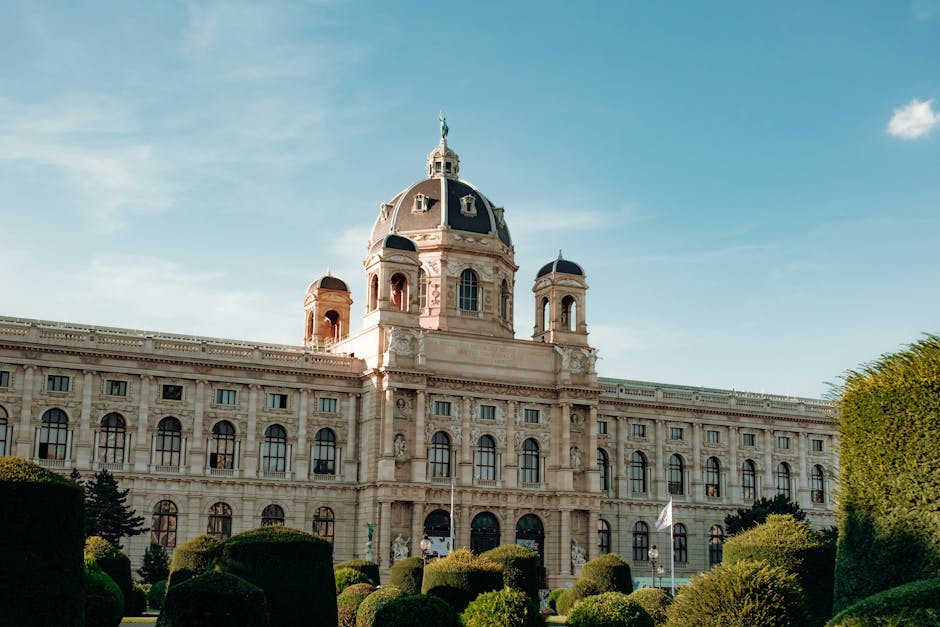
Vienna is brimming with attractions that cater to all interests. Here are some must-see sites and activities:
Schönbrunn Palace: This UNESCO World Heritage site is one of the most iconic landmarks in Vienna. Explore the opulent rooms, stroll through the beautiful gardens, and don’t miss the Gloriette for a panoramic view of the city.
St. Stephen’s Cathedral: A stunning example of Gothic architecture, this cathedral is located in the heart of the city. Climb the tower for breathtaking views and enjoy the intricate details of its façade.
Belvedere Palace: This baroque masterpiece houses an impressive collection of Austrian art, including Gustav Klimt’s “The Kiss.” The gardens are also a lovely spot for a leisurely stroll.
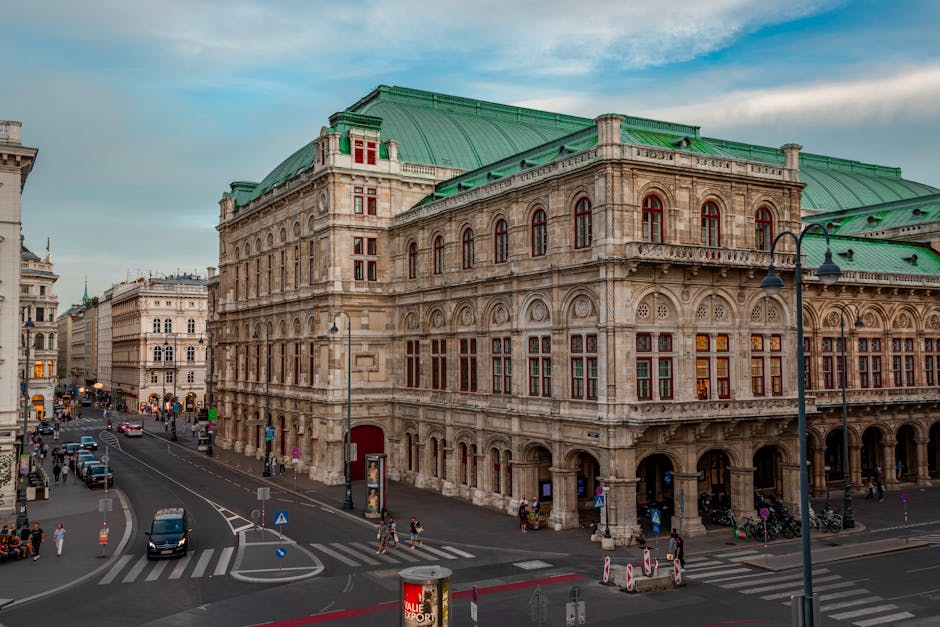
Vienna State Opera: Attend a performance at one of the world’s most prestigious opera houses. Even if you don’t catch a show, consider taking a guided tour to learn about its rich history.
Naschmarkt: This bustling market is a food lover’s paradise, offering everything from fresh produce to international delicacies. It’s a great place to grab a bite or shop for unique souvenirs.
MuseumsQuartier: Home to several museums, including the Leopold Museum and the Museum of Modern Art, this cultural complex is perfect for art enthusiasts. The surrounding courtyards are lively spots to relax.
Prater Park: Enjoy a day outdoors at Prater Park, famous for its giant Ferris wheel. The park offers various activities, from cycling to picnicking, making it a great escape from the city bustle.
Coffeehouse Culture: No trip to Vienna is complete without experiencing its famous coffeehouse culture. Spend an afternoon in a traditional café, sipping coffee and indulging in a slice of Sachertorte.
Hundertwasserhaus: This colorful apartment building designed by artist Friedensreich Hundertwasser is a quirky architectural highlight. The vibrant façade and unique design make it a fun photo opportunity.
Vienna Woods: For nature lovers, a trip to the Vienna Woods offers beautiful hiking trails and scenic views. It’s a perfect day trip to escape the urban environment and immerse yourself in nature.
Food and Dining Guide#
Vienna’s culinary scene is a delightful mix of traditional Austrian fare and international influences. Here are some local cuisine highlights and must-try dishes:
Wiener Schnitzel: This iconic dish consists of breaded and fried veal, typically served with a slice of lemon and potato salad. It’s a must-try when in Vienna.
Sachertorte: A rich chocolate cake with a layer of apricot jam, Sachertorte is a beloved dessert that originated in Vienna. Pair it with a coffee for the ultimate experience.
Tafelspitz: This boiled beef dish is a staple in Austrian cuisine, often served with root vegetables and horseradish sauce. It’s a hearty meal that reflects the country’s culinary traditions.
Apfelstrudel: This delightful apple pastry is a popular dessert across Austria. Enjoy it warm with a dusting of powdered sugar and a scoop of vanilla ice cream.
Street Food: For a quick bite, try Käsekrainer, a sausage filled with cheese, or a pretzel from one of the many street vendors. These snacks are perfect for enjoying while exploring the city.
Whether you choose to dine in a traditional restaurant or grab street food, Vienna’s diverse culinary offerings will not disappoint.
Getting Around Vienna#
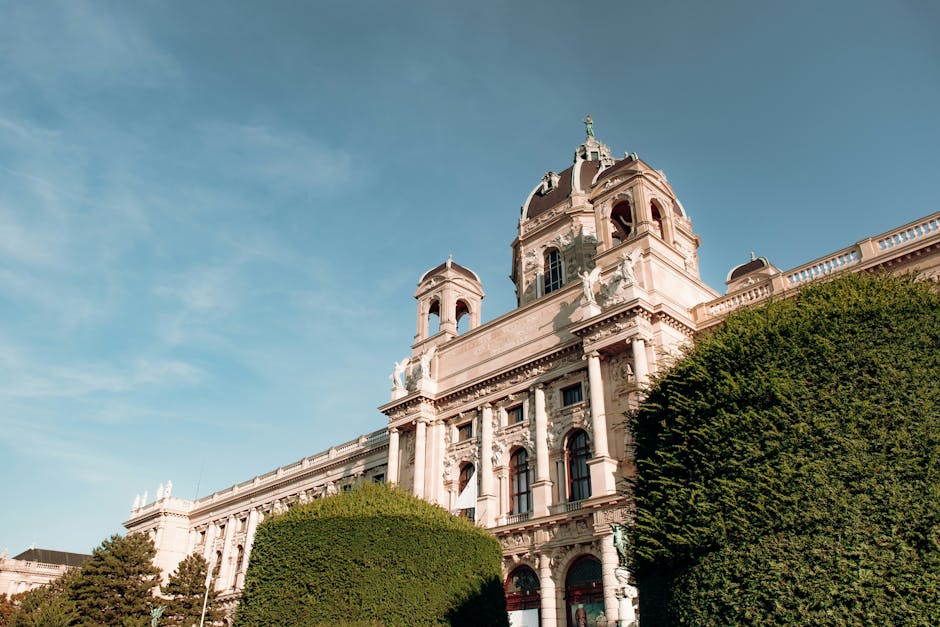
Vienna boasts an efficient public transportation system, making it easy to navigate the city. Here are some options:
Public Transit: The Vienna U-Bahn (subway) is one of the best ways to get around. It’s clean, safe, and runs frequently. Trams and buses complement the subway, providing extensive coverage throughout the city.
Walking: Many of Vienna’s attractions are within walking distance of each other, especially in the Innere Stadt. Walking is a great way to soak in the city’s architecture and vibrant street life.
Taxis: Taxis are readily available but can be more expensive than public transport. If you need a ride, consider using a ride-hailing app for convenience.
Rental Cars: While renting a car is an option, it’s generally not necessary given the excellent public transport. Parking can be challenging and costly in the city center.
Budget Breakdown#
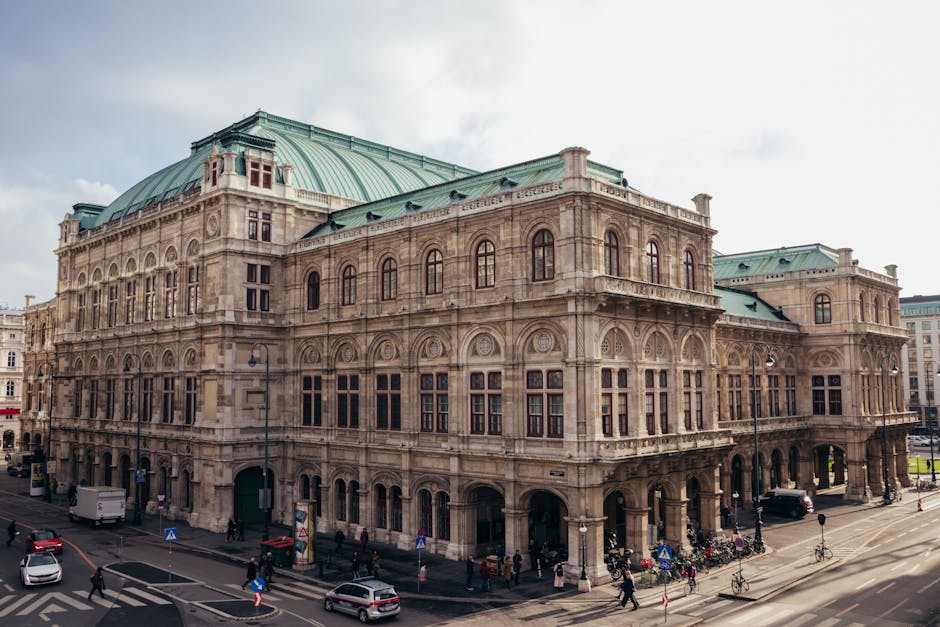
Understanding your budget is crucial for a successful trip. Here’s a general daily budget estimate for different types of travelers:
Budget Travelers: Expect to spend around $70-100 per day, including accommodation in hostels, meals from street vendors or budget restaurants, public transportation, and entry fees for a couple of attractions.
Mid-Range Travelers: A comfortable budget would be around $150-250 per day. This includes staying in mid-range hotels, dining at nicer restaurants, using public transit, and visiting several attractions.
Luxury Travelers: For those seeking a more lavish experience, anticipate spending $300+ daily. This covers upscale accommodations, fine dining, private tours, and transportation.
Travel Tips for Vienna#
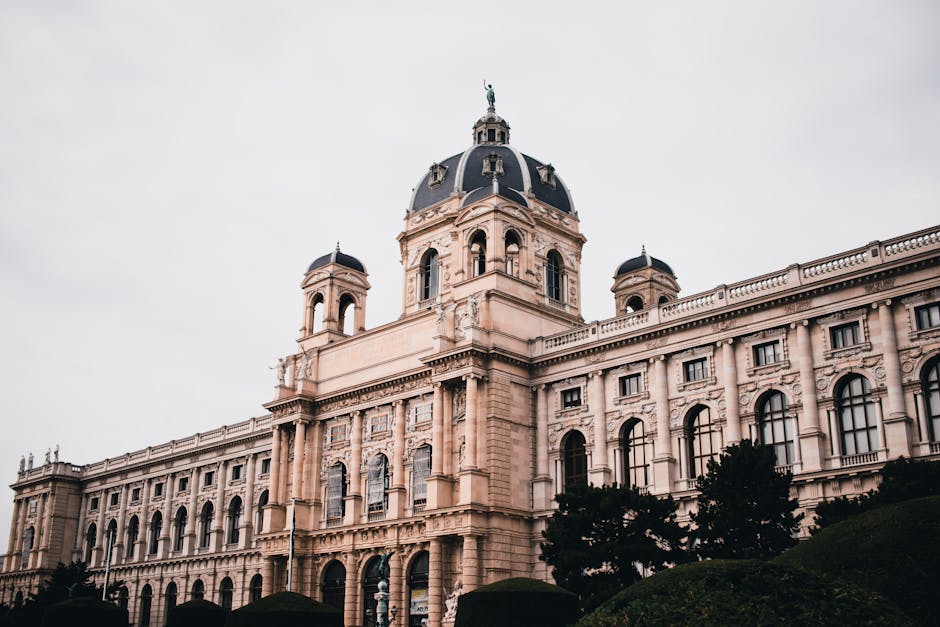
Safety: Vienna is considered one of the safest cities in Europe. However, like any major city, it’s wise to remain vigilant and keep an eye on your belongings.
Tipping: Tipping is customary in Austria. In restaurants, rounding up the bill or leaving a 5-10% tip is appreciated.
Language: While many Austrians speak English, learning a few basic German phrases can enhance your experience and is often appreciated by locals.
SIM Cards: If you need mobile data, consider purchasing a local SIM card upon arrival. This will help you navigate and stay connected during your trip.
Scams to Avoid: Be cautious of overly friendly strangers offering unsolicited help or asking for money. Stick to reputable services for tours and transportation.
Public Restrooms: Public restrooms may require a small fee, so keep some coins handy. Many cafes and restaurants also have facilities for customers.
Cultural Etiquette: When visiting churches or formal venues, dress modestly and be respectful of local customs.
Vienna is a city that promises a wealth of experiences, from its historical landmarks to its culinary delights. By planning wisely and embracing the local culture, your visit to this stunning European capital will be nothing short of unforgettable. If you’re also considering a trip to Lake Bled, Slovenia or Cinque Terre, Italy , check out our guides for more travel inspiration.