The journey from the Bavarian capital to the Dutch metropolis is one of the most popular cross-border routes in Central Europe. Whether you are a business traveler seeking efficiency, a student looking to save money, or a leisure traveler who enjoys the process of moving through the landscape, understanding the specific options available for this corridor is essential. The distance between Munich and Amsterdam is significant, spanning several hundred kilometers and crossing national borders. This guide breaks down the available modes of transport using verified data, helping you make an informed decision based on your budget, time constraints, and personal preferences for comfort. Munich to Amsterdam: Your Options at a Glance # When planning a trip between these two major European cities, you have three primary modes of transport to consider: train, bus, and flight. Each option presents a distinct balance of cost, duration, and convenience. The train offers a middle ground, providing a comfortable land-based journey with a moderate price point. The bus is the most economical choice, though it requires the longest commitment of time. The flight is the fastest option by a wide margin, but it comes with the highest price tag. For travelers who need to arrive in Amsterdam as quickly as possible and are willing to pay a premium, the flight is the logical choice. For those who prioritize value for money and do not mind a longer journey, the bus is the clear winner. The train serves as a versatile alternative for those who want to avoid the hassle of airport security and long transit times while still arriving within a reasonable timeframe. All three options have booking links available, ensuring that you can secure your seat or ticket with relative ease through standard travel platforms.
Traveling between two of Europe’s most dynamic capitals can be an eye‑opening experience, whether you prefer the leisurely rhythm of a long‑distance coach or the speed of a short‑haul flight. The corridor that links Madrid and Amsterdam is serviced by a handful of options, each with its own set of advantages. Below you will find a clear overview of what is on offer, a side‑by‑side look at price and travel time, and a collection of tips to help you move smoothly from the Spanish capital to the Dutch metropolis. Madrid to Amsterdam: Your Options at a Glance # When you plot a course from Madrid to Amsterdam, two primary modes of transport appear in the official listings: a coach service and a low‑cost airline. The coach charges £47.66 and takes roughly 1,465 minutes to complete the journey, while the flight is priced at £35.56 and lasts about 145 minutes. Both options have a booking link available, making it simple to secure a seat online. No train or ferry services are listed for this particular route, so the decision narrows down to either road or air.
Amsterdam to Bruges: Your Options at a Glance # When planning a journey from Amsterdam to Bruges, travelers have two main overland transport methods available. The choice between rail and road comes down to balancing cost against travel time, with both services offering straightforward connections between the Netherlands and Belgium. Ground transportation remains the most efficient way to navigate this European corridor, avoiding the complications of regional airports and lengthy security lines.
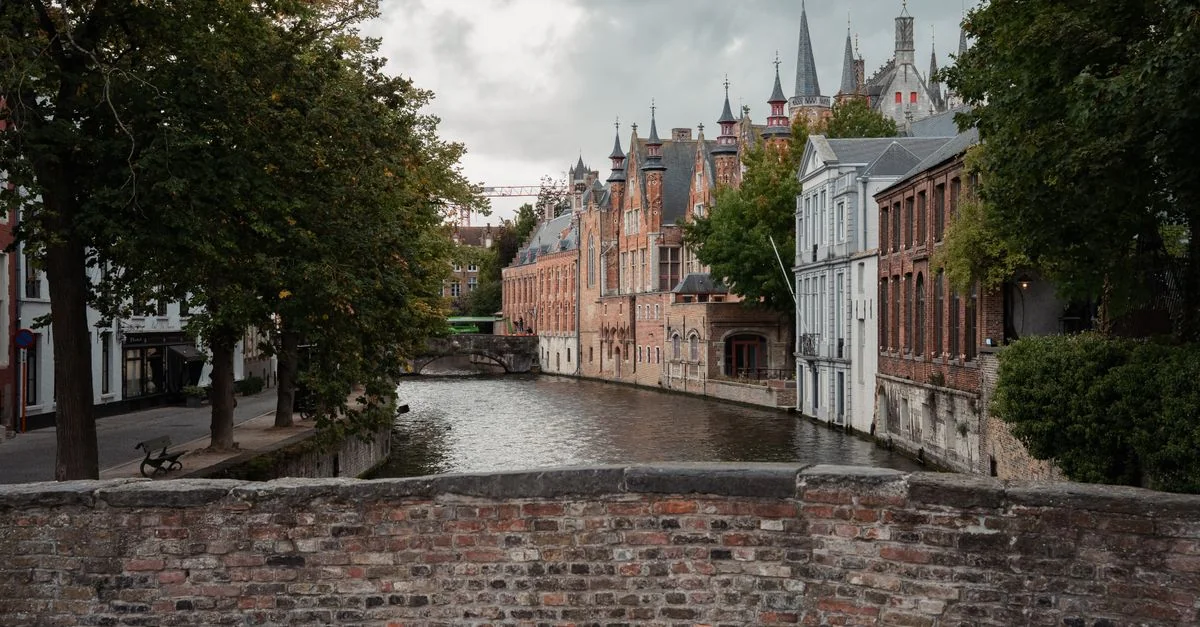
Traveling from the medieval charm of Bruges to the canal-lined streets of Amsterdam requires careful planning regarding your choice of ground transportation. Whether you prioritize speed or cost-efficiency, the journey connects two of Northwestern Europe’s most iconic destinations. Planning this transit segment effectively allows you to maximize your time abroad without unnecessary complications. Bruges to Amsterdam: Your Options at a Glance
When mapping out your trip from Bruges to Amsterdam, travelers have specific rail and highway services to consider. Booking links are available for those ready to secure their tickets in advance. The available methods vary significantly in duration and expense. Rail transit offers a faster route, whereas coach travel provides a more budget-friendly alternative for those watching their expenses. Evaluating these choices depends on your personal schedule and financial priorities.
Amsterdam to Madrid: Your Options at a Glance # Making the journey from the canals of Amsterdam to the grand boulevards of Madrid requires choosing between three distinct modes of transport, each offering a different balance of cost and travel duration. Travelers can select from a train journey, a long-distance bus ride, or a direct flight. Booking links are available for those ready to organize their trip. Evaluating the financial cost alongside the time spent moving across Europe helps determine the most suitable option for your schedule and budget.
Amsterdam to Cologne: Your Options at a Glance # Planning a journey from the Dutch capital of Amsterdam to the historic German city of Cologne requires understanding the specific mechanics of regional transit. Travelers navigating this corridor have two distinct options based on available data: a direct train service or a coach bus route. Each mode presents different trade-offs regarding cost and time, allowing passengers to select the service that best fits their schedule and budget constraints. The train service provides the faster connection, while the bus alternative offers the most economical ticket price for the journey. Booking links are available for those ready to secure their passage between these two major European hubs.
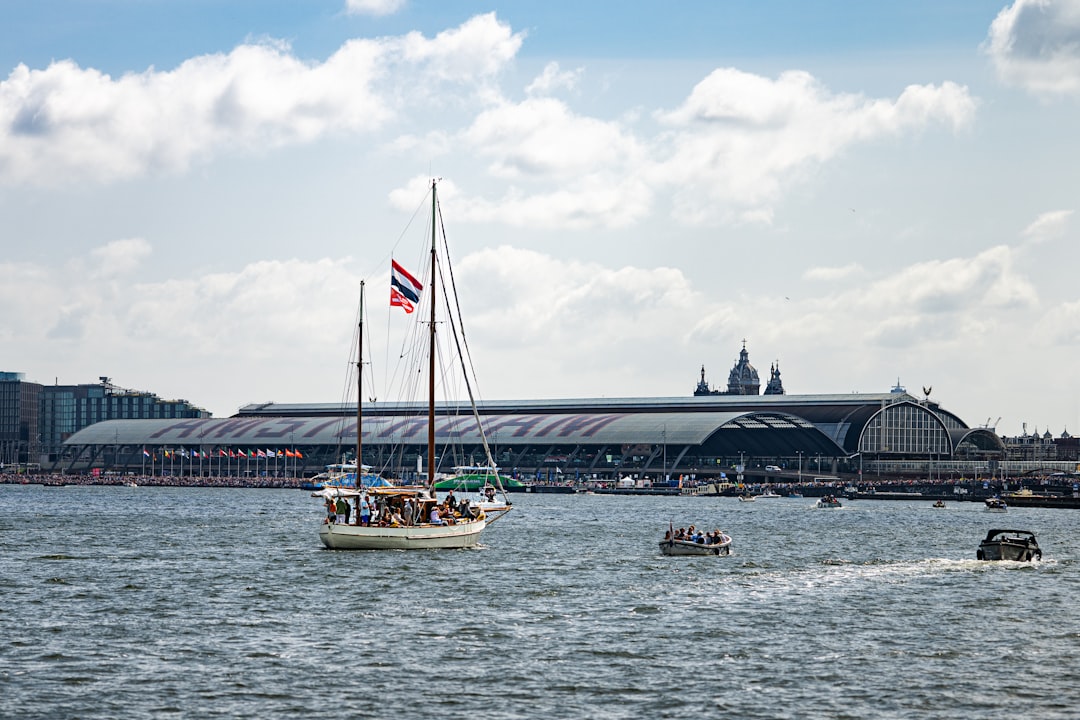
Photo by Martijn Stoof on Pexels
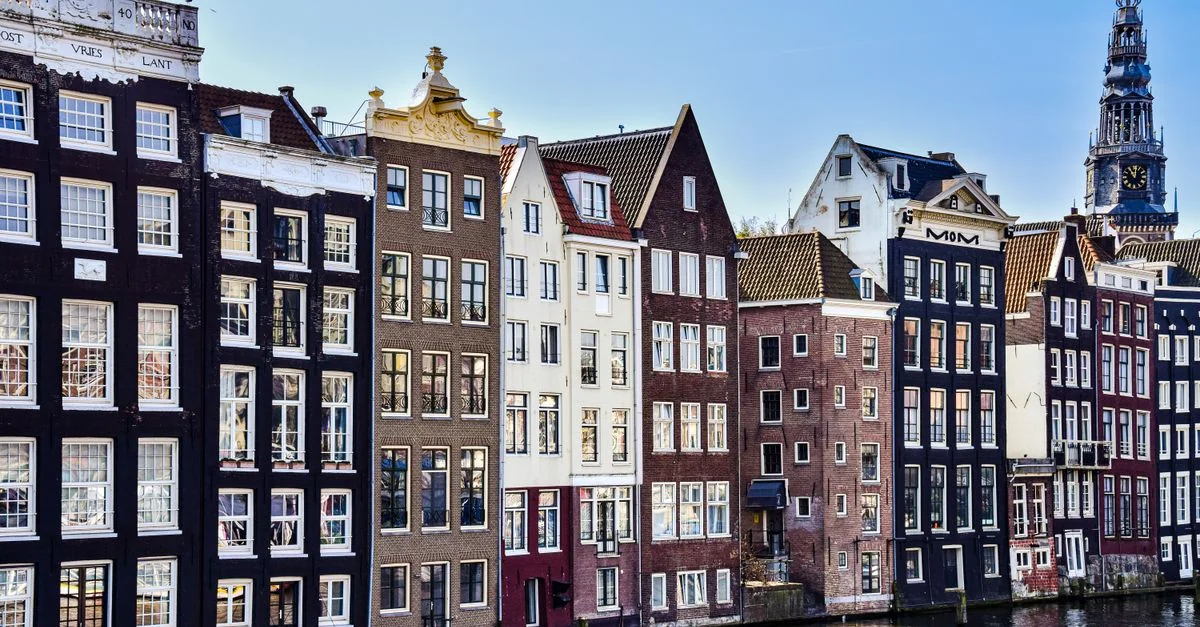
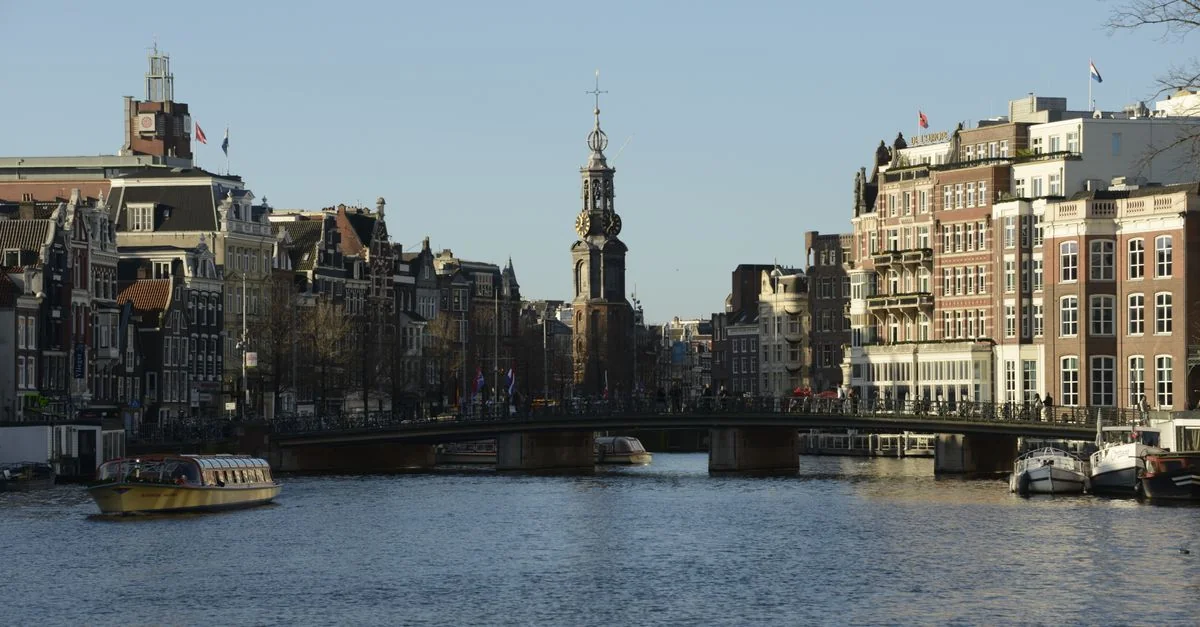
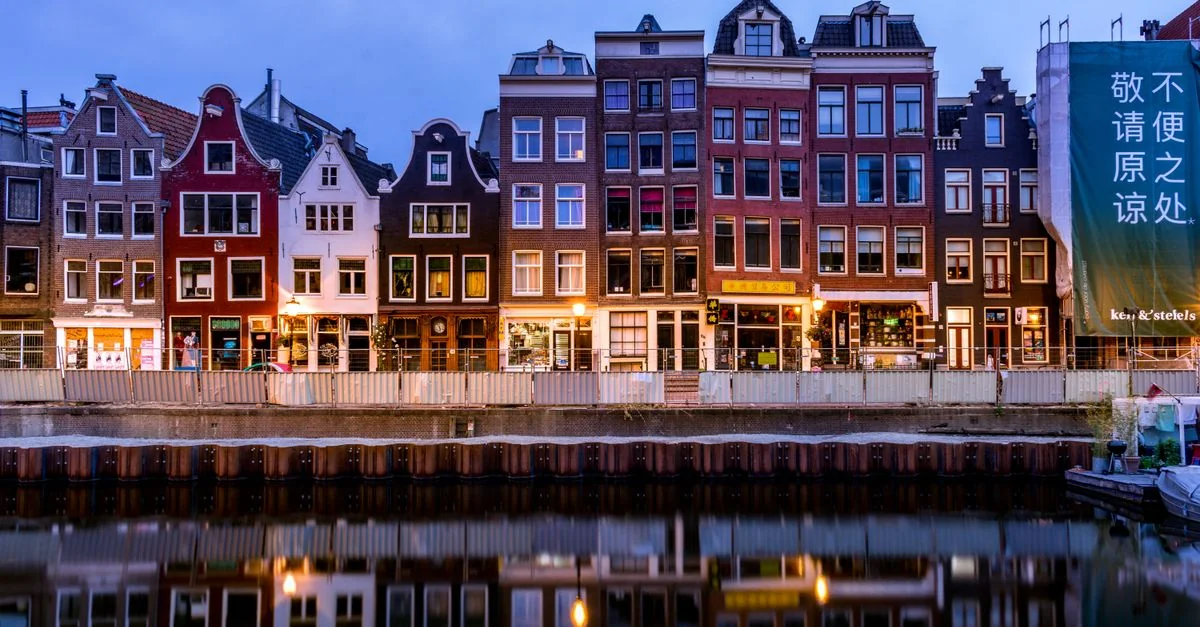
Why Visit Amsterdam? # Amsterdam, the capital of the Netherlands, is a city that elegantly combines rich history with modern vibrancy. Known for its iconic canals, impressive art museums, and unique architecture, this city is a haven for culture enthusiasts and casual travelers alike. The picturesque canals, lined with charming gabled houses, create a postcard-perfect backdrop, while the city’s bike-friendly streets invite exploration at your own pace.