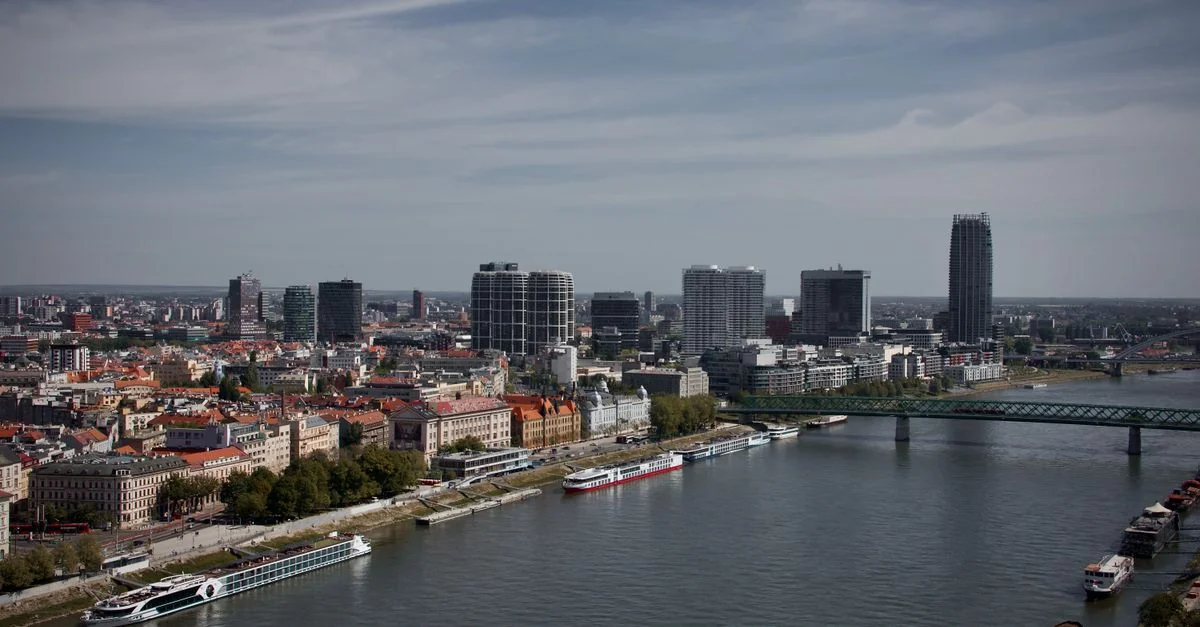
Budapest to Bratislava: Your Options at a Glance # starting on a journey from Budapest to Bratislava offers a chance to explore two of Central Europe’s most enchanting cities. The route is approximately 155 miles, and you have two primary options to consider: traveling by train or bus. Each mode of transport has its unique advantages, and understanding these can help you make an informed decision based on your preferences and budget.
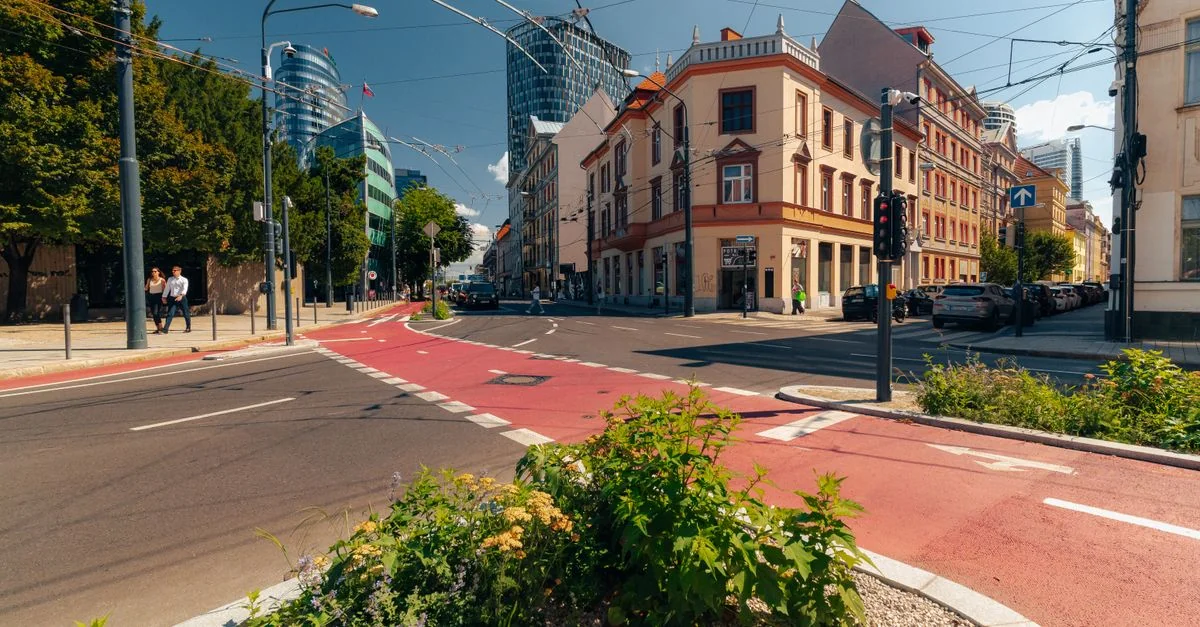
The journey between Bratislava and Budapest is one of the most efficient and scenic routes in Central Europe. Separated by only a short stretch of the Danube River, these two capitals offer a seamless transition for travelers moving from the compact, historic heart of Slovakia to the sprawling, baroque-rich landscape of Hungary. For the modern traveler, the decision of how to cross this border is rarely about distance, which is relatively short, but rather about the specific experience, budget, and schedule that fits your itinerary. With direct connections available by both rail and road, you have the flexibility to choose a mode of transport that aligns with your preferences for comfort, speed, and cost. This guide breaks down the practicalities of moving between these two cities, providing clear data on pricing and duration to help you plan a smooth transition. Bratislava to Budapest: Your Options at a Glance # When planning a trip that includes stops in both capitals, the logistics are straightforward. You have two primary ground transport options: the train and the bus. Both modes offer direct services, eliminating the need for transfers within the city centers, which is a significant advantage for travelers with luggage. The train is generally the faster option, taking approximately 143 minutes to complete the journey. The bus, while slightly slower at 150 minutes, offers a significantly lower price point.
When planning a journey from the Slovak capital to the Austrian capital, travelers have straightforward choices for bridging the distance between Bratislava and Vienna. Both cities lie close to one another in Central Europe, making cross-border transit frequent and accessible. Whether you prefer the steel tracks of the railway network or the rubber tires of the highway coach, moving between these two destinations requires minimal planning. Bratislava to Vienna: Your Options at a Glance