Traveling Between Salzburg and Munich: A Practical Guide
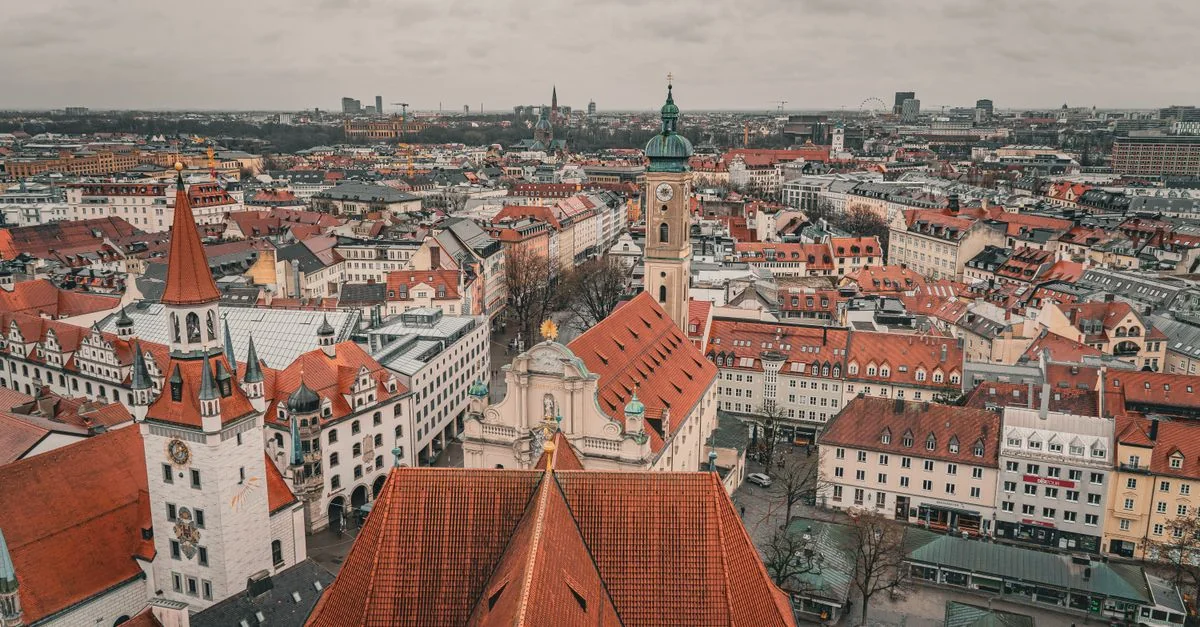
The route connecting Salzburg and Munich is a frequent path for many travelers moving between Austria and Germany . Whether you are finishing a tour of the Alps or heading toward the Bavarian capital, the transit options are straightforward and efficient. Because these two cities are geographically close, the transit infrastructure is well-developed, ensuring that you can reach your destination without significant delays or complex logistics. Understanding the specific costs and durations associated with each mode of transport will assist you in planning your journey effectively. Salzburg to Munich: Your Options at a Glance # When moving between Salzburg and Munich, you have two primary methods of transport: the train and the bus. Both services operate regularly and provide a direct connection between the city centers. The train is slightly faster, offering a duration of 83 minutes, while the bus takes 90 minutes. In terms of cost, the train is priced at 11 USD, while the bus is more economical at 6 USD. Both options are reliable, and booking information is available for those who wish to secure their seats in advance.